


4K 60FPS Camera Module Solution for Industrial Vision, Drones, Security, and Embedded Imaging Projects
SincereFirst provides 4K 60FPS camera module solutions for OEM devices and vision systems that need high-resolution image detail, smoother motion capture, and reliable high-bandwidth image transmission. These modules can be evaluated for industrial inspection, professional video equipment, UAV imaging, smart security, access control, robotics, AR/VR devices, and embedded imaging platforms.
For real projects, choosing a 4K 60FPS camera module is not only about resolution and frame rate. Product teams also need to evaluate sensor readout speed, interface bandwidth, ISP or host-side processing capability, lens and FOV, thermal design, mechanical structure, output format, and platform compatibility before sample validation and mass production.

4K 60FPS Camera Module vs Ordinary Camera Module
|
Aspect |
4K 60FPS Camera Module |
Ordinary Camera Module |
Selection Logic |
|
Resolution |
3840 x 2160 UHD image output |
Usually 1080P, 720P, or lower |
Choose 4K when fine detail, cropping, recognition, or professional video quality is important. |
|
Frame Rate |
60FPS for smoother motion capture |
Often 30FPS or lower |
Choose 60FPS when the target scene includes movement, vibration, fast passing objects, or real-time viewing. |
|
Interface Demand |
Usually requires higher-bandwidth USB, MIPI, or other high-speed transmission paths |
Lower-bandwidth interfaces may be enough |
Confirm host bandwidth early to avoid frame-rate reduction during integration. |
|
Processing Requirement |
Higher ISP, encoding, memory, and host-side processing demand |
Lower system load |
Evaluate whether the host platform can handle the image stream before mechanical design is finalized. |
|
Thermal Design |
More likely to require power and heat evaluation |
Usually easier to manage |
For compact devices, thermal validation should be part of sample testing. |
|
Best Fit |
Industrial vision, UAVs, robotics, high-end video devices, smart security |
Basic monitoring, simple recognition, cost-sensitive devices |
4K 60FPS is suitable when image detail and smooth motion justify the higher system cost and integration work. |
|
Aspect |
4K 60FPS Camera Module |
Ordinary Camera Module |
Selection Logic |
|
Resolution |
3840 × 2160 UHD image output |
Usually 1080P, 720P, or lower |
Choose 4K when fine detail, cropping, recognition, or professional video quality is important. |
Why 4K 60FPS Camera Modules Matter in Real Projects?
Higher Image Detail for Recognition and Inspection
4K resolution helps capture small textures, printed characters, object edges, and distant targets with more usable detail. This is valuable for industrial inspection, high-end video conferencing, smart security, laboratory image acquisition, and other projects where the image needs to support visual judgment or algorithm analysis.
Smoother Motion for Moving Scenes
60FPS output can help reduce motion discontinuity when the camera or target object is moving. For drones, AMRs, access control terminals, dynamic monitoring, and professional video devices, smoother image output can improve viewing experience and support more stable frame-by-frame analysis.
Higher Bandwidth Requirements Need Early System Evaluation
A 4K 60FPS camera module can create a much larger data stream than a 1080P 30FPS module. The interface, cable, connector, host processor, memory, encoder, and software workflow should be checked together, otherwise the final product may not reach the expected resolution and frame rate.
Thermal and Mechanical Design Affect Long-Term Use
Higher resolution and frame rate may increase power consumption and heat generation. For compact OEM devices, outdoor systems, or enclosed structures, thermal dissipation, housing design, mounting method, and cable layout should be validated with real samples.
Standard Models Are Only the Starting Point
A standard 4K 60FPS camera module can shorten early evaluation time, but many projects still need adjustments in lens, FOV, focus type, connector, FPC/PCB structure, output format, image tuning, or housing. These options should be discussed according to the real working distance, lighting condition, host platform, and product ID design.
What are the Main Application of 4K 60FPS Camera Module?

Industrial Machine Vision and Inspection
4K 60FPS camera modules can be evaluated for inspection systems that need to capture fine details, moving parts, printed labels, surface texture, or micro-defects. The final selection should consider lighting, working distance, lens distortion, interface bandwidth, and host-side processing capability.

Professional Video, Live Streaming, and Conference Devices
For high-end video capture, live streaming, video conferencing, and content creation devices, 4K resolution and smoother frame rate can improve image clarity and viewing experience. USB models are often suitable for faster host-side evaluation when plug-and-play integration is preferred.

Smart Security and Access Control
In smart security cameras, access control terminals, and public monitoring devices, 4K 60FPS modules can help capture clearer moving faces, passing people, vehicles, or distant image details. Low-light performance, HDR, FOV, and enclosure design should be evaluated according to the installation environment.

Drones and UAV Imaging
For UAVs and mobile imaging devices, 4K 60FPS helps capture smoother aerial footage during movement. The project should also evaluate vibration, lens FOV, rolling shutter behavior, weight, power consumption, heat, and cable stability.

Robotics, AMR, and Embedded Vision
Robots and AMRs often need stable image input for navigation, recognition, obstacle observation, or remote viewing. MIPI CSI-2 modules can be evaluated when the project needs compact structure, low latency, RAW output, and deeper integration with the main processor.

AR/VR and Smart Terminal Imaging
For AR/VR devices, smart terminals, and compact embedded products, high resolution, wide FOV, autofocus, low latency, and small mechanical structure may all affect user experience and integration feasibility. Sample validation should be done with the actual device structure and software environment.
Recommended 4K 60FPS Camera Module Models
![4K60fps Camera Module(4K 60fps)[SicnereFirst]](/uploads/37556/page/p20260626144717ae9c2.jpg?size=1200x0 "4K60fps Camera Module(4K 60fps)[SicnereFirst]")
USB Camera Modules for Faster Host-Side Evaluation
SF8A445-049-USB3.2 - IMX334 12MP USB3.2 Camera Module for High-Detail Video and Inspection
Role Positioning:
A USB3.2 camera module designed for projects that need high image detail, faster host-side evaluation, and easier integration into professional video or inspection systems.
Key Highlights:
- 12MP IMX334 sensor helps provide more image detail for fine texture, text, and object-edge capture.
- 1/1.8-inch sensor and 2.0 μm × 2.0 μm pixel size can be evaluated for projects that care about light sensitivity and image quality.
- USB3.2 interface supports high-speed data transmission and can simplify host-side testing compared with deeper embedded integration.
- HDR/WDR and multi-format output can be evaluated based on host software and image workflow requirements.
Best For:
Professional 4K video devices, high-end video conferencing terminals, industrial inspection systems, laboratory imaging, and OEM devices that need detailed image capture.


SF8A625-049-USB3.2 - IMX415 USB3.2 Camera Module with Housing for Low-Light and Outdoor Evaluation
Role Positioning:
A USB3.2 camera module for projects that need low-light imaging, stronger mechanical stability, and faster evaluation in outdoor or industrial environments.
Key Highlights:
- IMX415 sensor with STARVIS low-light technology can be evaluated for night, dim-light, or changing-light environments.
- USB3.2 interface supports high-speed transmission for high-resolution video workflows.
- DC5V independent power design and protective housing help support mechanical stability in more demanding integration environments.
- HDR and multi-format output can be discussed according to the software and host-side processing workflow.
Best For:
Outdoor security cameras, UAV inspection cameras, industrial site monitoring, mobile monitoring equipment, and projects that need stronger structure than a bare board module.


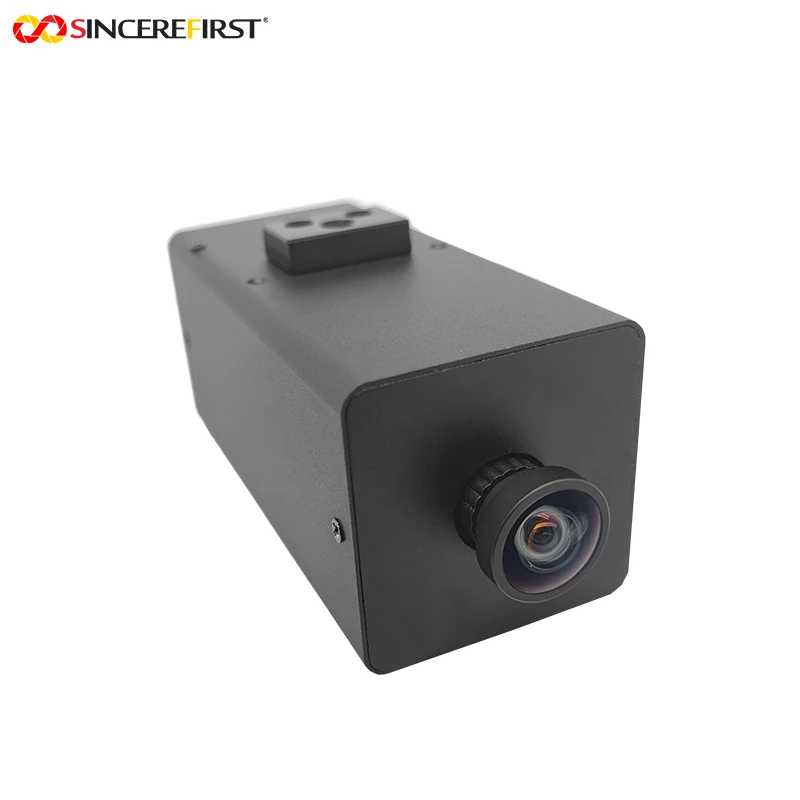


SF8A625-88 - IMX415 USB3.0 Camera Module for Cost-Sensitive Low-Light Projects
Role Positioning:
A USB3.0 camera module for indoor or non-harsh environments where low-light performance, easier deployment, and cost control are important.
Key Highlights:
- IMX415 sensor with STARVIS technology can support low-light image evaluation for indoor security, medical inspection equipment, or desktop video devices.
- USB3.0 interface helps reduce development complexity for host-side applications.
- Compact board-level structure is suitable for projects with limited installation space.
- HDR and compression output options can be evaluated according to bandwidth and software requirements.
Best For:
Indoor HD security devices, desktop imaging equipment, entry-level inspection systems, and cost-sensitive OEM products.

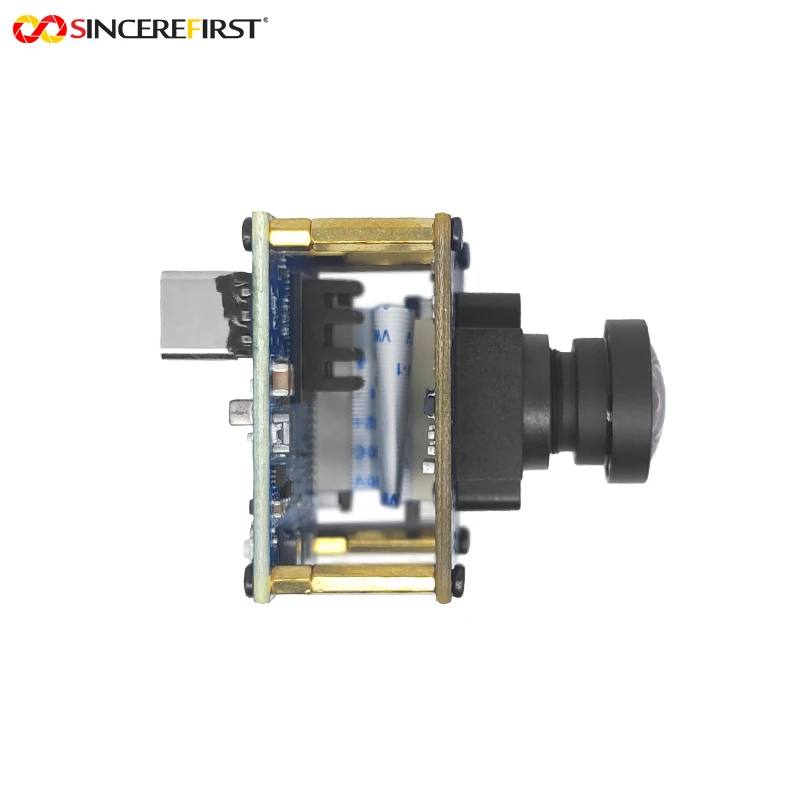


SF8A987-88 - IMX678 USB3.0 Camera Module for Detail and Light Sensitivity
Role Positioning:
A USB3.0 camera module for projects that need a balance of image detail, low-light sensitivity, and convenient host-side integration.
Key Highlights:
- IMX678 sensor with 1/1.8-inch optical format and 2.0 μm × 2.0 μm pixel size can be evaluated for stronger light sensitivity and detailed image capture.
- USB3.0 interface supports easier connection to many host systems for evaluation.
- HDR capability can help projects that face changing or complex lighting conditions.
- Suitable when the project needs high image quality but does not necessarily require USB3.2.
Best For:
Industrial inspection, laboratory image acquisition, high-end consumer imaging devices, and professional live video equipment.


MIPI CSI-2 Camera Modules for Embedded Vision and Compact Integration
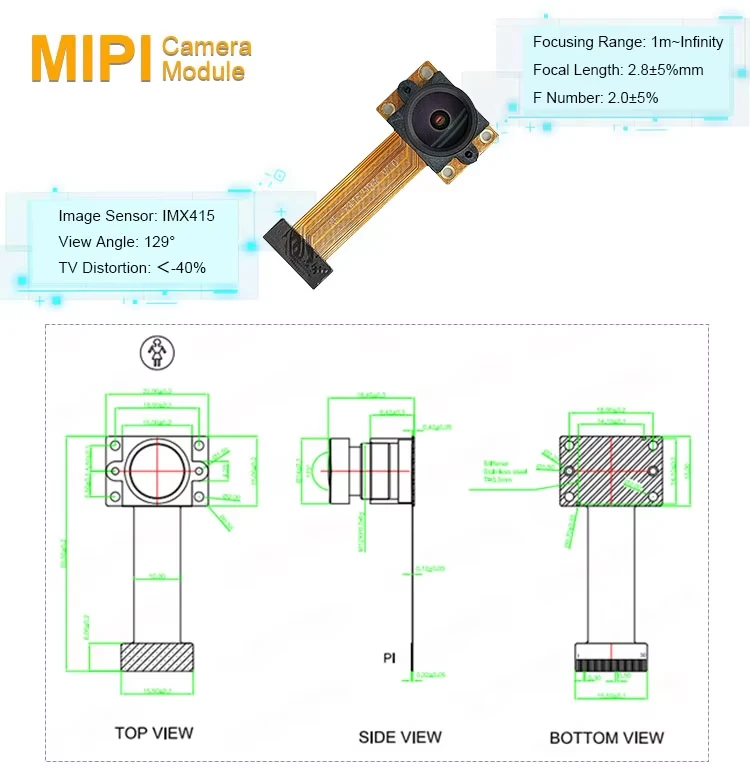
SF-X41521BA V1.0 - IMX415 MIPI CSI-2 Camera Module with 129° Wide FOV for Embedded Vision
Role Positioning:
A MIPI CSI-2 camera module for embedded projects that need low latency, wide-angle capture, RAW data output, and deeper algorithm development.
Key Highlights:
- IMX415 sensor with STARVIS low-light technology can be evaluated for embedded systems working in changing lighting.
- 129° ultra-wide FOV helps cover a broader scene for robotics, panoramic monitoring, and UAV imaging.
- MIPI CSI-2 interface is suitable for compact embedded systems and mainboard-level integration.
- 10/12-bit RAW output can support ISP tuning and algorithm-side image processing when the host platform is compatible.
Best For:
AGV/AMR vision, UAV wide-angle imaging, panoramic security, embedded smart terminals, and automotive surround-view evaluation projects.


SF-X31721BA - IMX317 MIPI CSI-2 Camera Module for Cost-Sensitive Wide-Angle Embedded Imaging
Role Positioning:
A MIPI CSI-2 module for embedded projects that need wide FOV, flexible integration, and controlled cost.
Key Highlights:
- IMX317 sensor can be evaluated for wide-angle embedded imaging applications.
- 116° FOV provides broader scene coverage than standard narrow-angle modules.
- MIPI CSI-2 interface supports compact integration with embedded host platforms.
- HDR support can be evaluated for smart home, door lock, and basic robotic vision scenarios.
Best For:
Smart door locks, smart home monitoring, small UAV imaging, and entry-level robotic vision projects.


SF-X37721BA - IMX377 12MP MIPI CSI-2 Camera Module with Autofocus for Dynamic Embedded Imaging
Role Positioning:
A 12MP MIPI camera module for embedded projects that need wide-angle capture, autofocus, and RAW output for dynamic scenes.
Key Highlights:
- 12MP IMX377 sensor supports high-resolution image acquisition for embedded imaging.
- Autofocus can help projects where target distance changes during operation.
- Wide viewing angle supports larger scene coverage for AR/VR, UAV, and smart security devices.
- 10/12-bit RAW output can be evaluated for projects requiring secondary image processing.
Best For:
AR/VR imaging, professional UAV cameras, dynamic detection equipment, smart security tracking, and embedded systems requiring autofocus.


SF-X47721BA V1.0 - IMX477 12MP MIPI CSI-2 Camera Module with Autofocus for High-Resolution Embedded Projects
Role Positioning:
A 12MP MIPI CSI-2 camera module for embedded projects that require high resolution, autofocus, wide FOV, and larger space for image tuning.
Key Highlights:
- IMX477 sensor can provide high-resolution image acquisition for professional embedded imaging.
- Autofocus supports applications with variable working distance or dynamic subjects.
- 135° wide FOV can help cover a larger target area in compact devices.
- 10/12-bit RAW output supports ISP tuning and algorithm development when the host platform supports it.
Best For:
Professional consumer imaging devices, medical imaging equipment evaluation, industrial dynamic detection, and high-end robotic vision systems.


SF-X57721BA V1.0 - IMX577 12MP MIPI CSI-2 Camera Module for Compact High-Resolution Integration
Role Positioning:
A 12MP MIPI CSI-2 camera module for compact embedded products that need high resolution, stable image output, and limited installation space.
Key Highlights:
- IMX577 sensor supports high-resolution embedded image acquisition.
- 105° FOV is suitable for projects that need wide coverage without an ultra-wide optical design.
- MIPI CSI-2 interface helps reduce structure size for embedded integration.
- HDR and 10/12-bit RAW output can be evaluated according to host compatibility and image-processing workflow.
Best For:
Miniaturized smart terminals, compact industrial inspection devices, embedded security modules, automotive front-view evaluation, and precision instrument imaging.


Need Help Choosing the Right 4K 60FPS Camera Module?
Share your application, target resolution, frame rate, interface requirement, host platform, operating system, FOV, working distance, lighting condition, module size limit, cable or connector requirement, software environment, project stage, and expected quantity. SincereFirst can help evaluate whether a standard USB or MIPI model, or a customized camera module option, is more suitable for your project.
How to Choose the Right 4K 60FPS Camera Module for Your Project?
Start with the Application
First define whether the project is for inspection, monitoring, recognition, live video, robotics, UAV imaging, AR/VR, access control, or OEM hardware integration. Different applications may require different sensor size, lens FOV, focus type, interface, mechanical structure, and image tuning.
Confirm Resolution and Real Frame Rate Requirements
4K 60FPS is useful when the project needs both fine detail and smoother motion. If the application only needs still images, lower frame rate, or basic recognition, a different resolution or frame-rate option may reduce cost, heat, bandwidth, and processing load.
Evaluate Sensor, Pixel Size, and Low-Light Performance
Sensor size, pixel size, sensitivity, HDR, and readout speed can affect low-light imaging, dynamic range, noise level, and motion performance. Projects such as security, UAVs, and industrial inspection should test the module under real lighting conditions before final selection.
Choose USB or MIPI Based on Integration Method
USB camera modules are often easier for PC-based systems, video devices, conferencing terminals, and fast evaluation. MIPI CSI-2 modules are more suitable for embedded products that need compact structure, low latency, RAW output, and integration with a specific SoC or mainboard.
Check Host Platform and Software Workflow
The host processor, operating system, driver, UVC support, SDK requirement, ISP workflow, encoder, memory, and software environment should be checked before confirming the model. A module may have strong imaging capability, but the final frame rate depends on system-level compatibility.
Match Lens, FOV, and Working Distance
FOV, focal length, aperture, focus type, distortion, working distance, and installation angle directly affect what the camera can actually see. For recognition, inspection, or navigation, optical selection should be validated with the target object and final enclosure.
Plan Power, Thermal, and Mechanical Design
4K 60FPS modules may generate more heat and require more stable power design than lower-spec modules. Housing, heat dissipation, mounting holes, cable routing, connector position, and product ID design should be evaluated before mass production.
Validate with Real Samples
Before mass production, test samples under real lighting, motion speed, working distance, host platform, cable length, enclosure structure, and software workflow. Sample validation helps reduce the risk of choosing a module that works in a lab but does not fit the final product.
Custom Options for 4K 60FPS Camera Module Projects
Sensor and Resolution Selection
Sensor platform, resolution, pixel size, HDR, low-light performance, frame rate mode, and shutter type can be evaluated according to the application scenario and host platform capability.
01
Lens, FOV, and Focus Configuration
Lens type, FOV, focal length, aperture, fixed focus, autofocus, working distance, distortion control, and optical structure can be matched to the target device and viewing requirement.
02
Interface and Connector Adaptation
USB, MIPI CSI-2, connector type, connector position, cable length, FPC/PCB structure, and board layout can be discussed according to the final product design and host-side interface.
03
Output Format and Image Workflow
MJPG, YUY2, RAW, H.264, resolution mode, frame-rate mode, ISP tuning, and image-processing workflow can be evaluated based on bandwidth, host processing power, and software compatibility.
04
Mechanical Structure and Housing
Module size, mounting holes, protective housing, cable routing, connector position, and device-side installation method can be evaluated according to the application environment. Waterproof or special housing requirements should be confirmed separately according to project requirements.
05
FAQ
Q1: What is a 4K 60FPS camera module?
A 4K 60FPS camera module is an imaging module designed to capture 3840 × 2160 video at 60 frames per second. It is suitable for projects that need both high image detail and smoother motion capture.
Q2: When should I choose a 4K 60FPS camera module instead of a 1080P camera module?
You should consider a 4K 60FPS module when your project needs finer image detail, larger viewing area, digital cropping, smoother motion, or clearer frame-by-frame analysis. For basic monitoring or cost-sensitive devices, 1080P or 4K 30FPS may still be enough.
Q3: Should I choose USB or MIPI CSI-2 for a 4K 60FPS project?
USB is usually easier for PC-based systems, conferencing devices, live streaming equipment, and fast evaluation. MIPI CSI-2 is usually more suitable for embedded systems that need compact structure, lower latency, RAW output, and deeper SoC-level integration.
Q4: Can SincereFirst customize a 4K 60FPS camera module?
Yes. Customization can be evaluated around sensor, lens, FOV, focus type, interface, connector, cable, FPC/PCB structure, housing, output format, image tuning, frame-rate mode, and software integration, depending on project requirements.
Q5: Which model is suitable for low-light 4K imaging?
Models based on IMX415, IMX678, or other low-light-oriented sensor options can be evaluated according to the lighting condition, interface requirement, lens, exposure strategy, and host platform. Sample testing is recommended before final model confirmation.
Q6: Which model is suitable for embedded vision or robotics?
MIPI CSI-2 models such as SF-X41521BA V1.0, SF-X37721BA, SF-X47721BA V1.0, or SF-X57721BA V1.0 can be evaluated for embedded vision, robotics, UAVs, AR/VR, and compact smart devices, depending on FOV, focus, RAW output, and host platform compatibility.
Q7: What information should I provide for a faster recommendation?
Please provide your application, target resolution, frame rate, interface, host platform, operating system, FOV, working distance, lighting condition, module size limit, cable or connector requirement, software environment, project stage, and expected quantity.
Q8: Can a standard 4K 60FPS camera module be used directly for mass production?
A standard model can help shorten early evaluation time, but mass production should be confirmed after sample validation. The final decision should consider image quality, frame rate, heat, power, structure, cable stability, software compatibility, and long-term supply requirements.

Find the Right 4K 60FPS Camera Module for Your Project
Whether your project needs a 4K 60FPS camera module for industrial inspection, UAV imaging, professional video equipment, smart security, access control, robotics, AR/VR, or a custom OEM imaging device, SincereFirst can help evaluate the right sensor, interface, lens, FOV, structure, output format, image tuning, and integration path based on your real project requirements.