


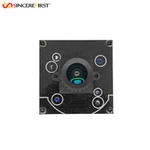
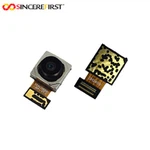
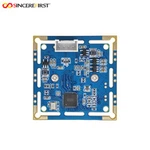
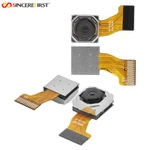
MIPI Camera Module
MIPI Camera Modules for Compact Embedded Vision, High-Resolution Imaging and OEM Devices
SincereFirst offers MIPI camera modules for compact embedded devices, AI vision products, smart terminals, development platforms, and OEM imaging systems that require high-speed data transmission, low power consumption, and flexible sensor, lens, FPC, and connector configuration.

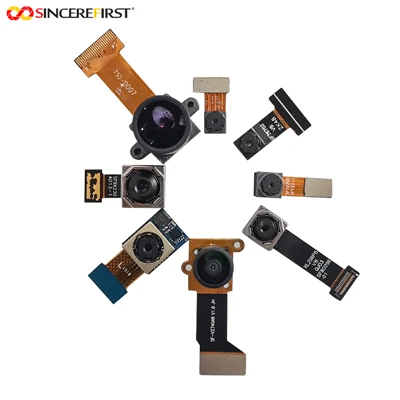
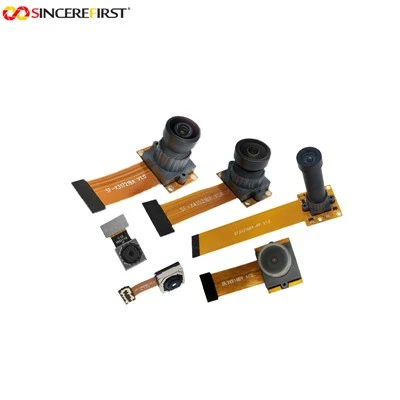
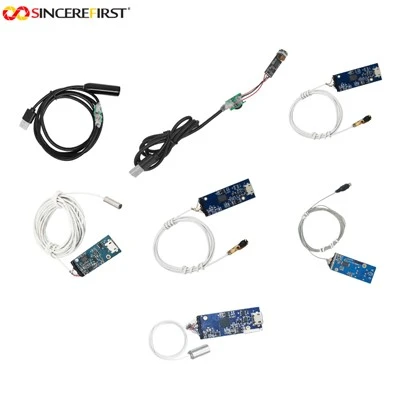
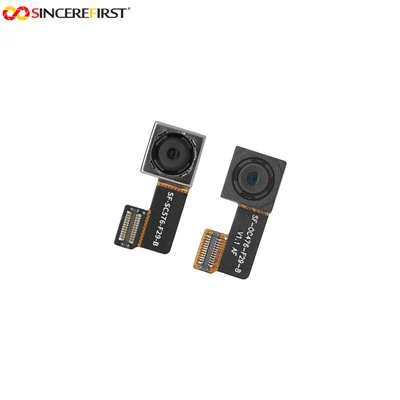
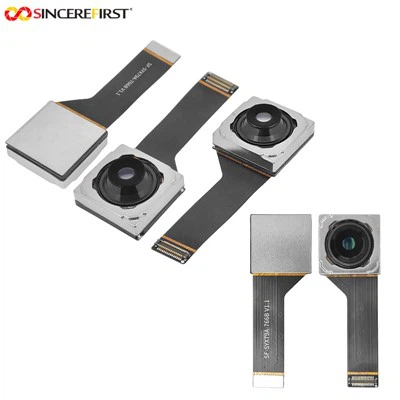


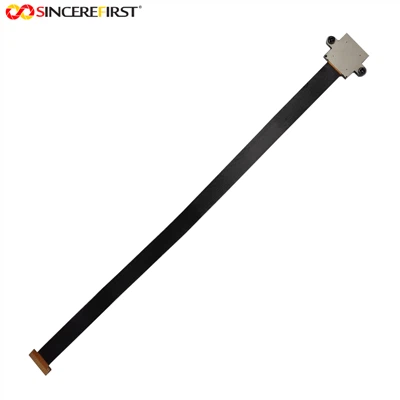
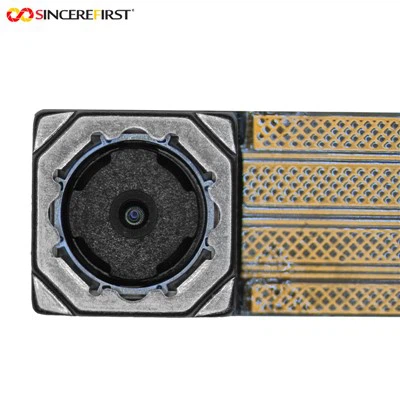

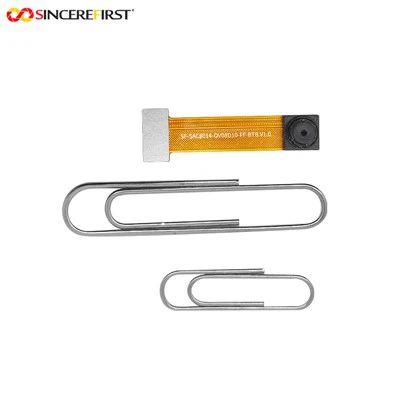

A MIPI camera module is a compact imaging module that uses the MIPI CSI-2 interface to transmit image data to an embedded processor or development platform. It is widely used in smart devices, robotics, Raspberry Pi projects, handheld equipment and other products that require compact structure, high-speed data transfer and low-power camera integration.
Why Choose MIPI Camera Module?
Compact structure for embedded devices
MIPI camera modules are suitable for products with limited space, especially FPC-based device structures.
01
High-speed image data transmission
MIPI CSI-2 supports high-bandwidth image transfer, making it useful for higher resolution and higher frame-rate imaging projects.
02
Low-power system integration
MIPI is often selected for battery-powered, handheld and smart hardware devices where power and space are important.
03
Flexible sensor and lens combinations
Different sensor, resolution, lens, FOV, AF or Fixed Focus configurations can be evaluated according to the project.
04
Suitable for custom OEM development
Connector, FPC layout, interface direction and platform compatibility can be reviewed for product-level integration.
05
Choose a MIPI Camera Module by Requirement
MIPI camera module selection should begin with the host platform, MIPI CSI-2 lane configuration, target resolution, frame rate, sensor type, lens structure, and driver compatibility. For OEM projects, mechanical layout, FPC design, connector type, and image tuning requirements should also be confirmed early.
Compact Embedded Integration
MIPI camera modules are suitable for compact products where the camera needs to be integrated directly into the device structure. FPC shape, connector position, lens height, and board size should be matched to the mechanical design.
High-Resolution Image Capture
For projects that need more image detail, such as scanning, recognition, inspection, or image analysis, MIPI modules can support higher-resolution sensor options. The final output depends on the sensor, platform bandwidth, driver, and ISP capability.
Low-Power Device Design
MIPI modules are often used in battery-powered or compact embedded devices where low power consumption and direct camera interface integration are important. Selection should consider sensor power, standby mode, and host-side power management.
Host Platform Compatibility
Before choosing a MIPI camera module, confirm the processor platform, CSI-2 lane count, connector definition, driver support, and image format. This is especially important for Linux, Android, Raspberry Pi, Jetson, RK, Qualcomm, and other embedded platforms.
Lens and FOV Matching
MIPI camera modules can be matched with different lens structures, field of view options, and focus types based on the application. Working distance, image area, distortion, and mechanical height should be reviewed together.
Custom FPC and Connector Requirements
For OEM products, the FPC length, shape, connector type, pin definition, and interface direction may need to be adapted to the device layout. These factors should be confirmed before sample or custom development.
Choose a MIPI Camera Module by Application

Embedded Vision Devices
MIPI camera modules are widely used in embedded vision products that require compact structure, direct camera interface connection, and flexible sensor integration.

AI and Robotics Systems
For AI devices, robot vision, navigation, obstacle avoidance, and visual recognition, MIPI modules can provide a compact imaging path when the host platform supports camera data processing.

Smart Access and Face Recognition Devices
MIPI camera modules can be used in smart access control, identity terminals, and face recognition devices where image quality, lens matching, and host compatibility are important.

Raspberry Pi and Development Platforms
MIPI camera modules can be used for Raspberry Pi and other development platforms when the connector, driver, and sensor compatibility are confirmed. They are suitable for prototype evaluation and embedded project development.

Medical and Inspection Devices
For compact medical imaging accessories, lab devices, and inspection tools, MIPI modules can be evaluated based on module size, resolution, lighting condition, lens angle, and integration structure.

Smart Home and Consumer Electronics
MIPI camera modules can be used in smart door locks, smart displays, home devices, wearable products, and other compact electronics that need small-size image capture and integrated camera design.
Sensor Platform Selection
Sensor options can be reviewed based on resolution, sensitivity, frame rate, output format and platform support.
Lens and FOV Configuration
Wide-angle, low-distortion, telephoto, macro or application-specific lens directions can be discussed.
FPC and Connector Adaptation
FPC shape, length, connector type and interface direction can be matched to the product structure.
AF or Fixed Focus Matching
AF and Fixed Focus configurations can be selected according to working distance and use environment.
Platform Compatibility Evaluation
Host SoC, driver, MIPI lane configuration and output format can be evaluated during sample selection.
Engineering and Manufacturing Support
SincereFirst supports both standard-module selection and custom development projects. We work with OEM and embedded vision teams that need technical communication, sample evaluation, and a practical path to volume supply.
Demand Analysis
Communicate requirements with customers
Design Scheme
Design solutions that meet customer needs
Establish Cooperation
Provide camera module drawings and establish cooperation
Make Samples
Camera module proofing according to the design plan
Camera Module Test
Send out samples, and customers will test
Mass Production
After the samples pass the customer's test, mass production begins
Certifications
Available public support includes ISO quality system information and product compliance directions such as RoHS, REACH, CE and FCC where applicable. Final certification or compliance requirements should be confirmed according to the product model and target market.
FAQ
Q: What is a MIPI camera module?
A: It is a camera module that uses the MIPI CSI-2 interface to transmit image data to an embedded processor or development platform.
Q: When should I choose a MIPI camera module?
A: MIPI is suitable for compact embedded devices, Raspberry Pi projects, smart hardware and systems that need board-level camera integration.
Q: Can MIPI camera modules support high resolution?
A: Yes. Many MIPI camera modules can support high-resolution sensors, but actual frame rate and output depend on sensor, MIPI lane configuration, host platform and driver support.
Q: Can you customize the FPC and connector?
A: Yes, FPC shape, connector type, pin definition and interface direction can be discussed based on the product structure.
Q: Do MIPI camera modules work with Raspberry Pi?
A: Some MIPI camera modules are designed or evaluated for Raspberry Pi projects. Compatibility depends on sensor, driver and connector design.
Q: What should I provide before asking for a MIPI module recommendation?
A: Please provide host platform, target resolution, sensor preference, MIPI lane requirement, FPC or connector limits, lens/FOV needs and project stage.
Share your application, host platform, target resolution, working distance, lens/FOV requirement, size limits and project stage. Our team can help you narrow down a suitable mipi camera module or discuss a custom module direction for your OEM device.