


USB Endoscope Camera Module
Your Professional Camera Module Manufacturer
Guangzhou Sincere Information Technology Ltd. is a professional and high-tech leading company in integrated optical device manufacturer and optical imaging system solution provider since 1992's foundation. We specialize in the production of various camera modules to help you create highly customized camera module solutions, including 0.3mp to 108mp MIPI camera modules and USB camera modules as well as endoscope camera modules with a diameter of 0.9mm ~8.0mm.
Quality Assurance
All our camera modules must be inspected by professional QC, and the products are inspected in strict accordance with national standards before shipment. And the entire process is strictly implemented in accordance with the ISO9001 quality system.
Wide Range Of Applications
Specializing in machine vision, we provide cutting-edge camera modules that support a wide range of applications in various industries, meeting the needs of everything from agriculture to healthcare, industrial automation to retail, SINCEREFIRST is the trusted partner that fuels these applications with unparalleled machine vision excellence.
Professional Technical Team
We have been manufacturing camera modules for over 30 years. And we have top professional R&D talents, management talents and sales elites with rich experience.
Good Service
We provide 1-year replacement and 10-year warranty services. Additionally, we can provide training on how to use the camera module.
Reasonable Price
We offer competitive price to achieve win-win.
Advanced Equipment
Professional AA (Active Alignment) equipment manufacturing, COB 100 level dust-free workshop.

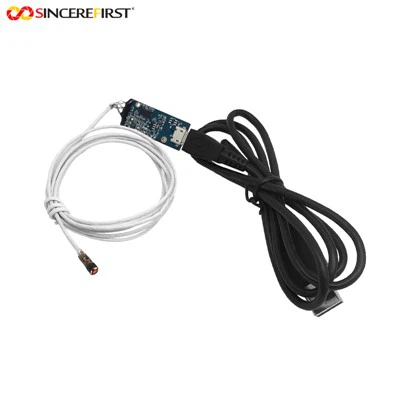
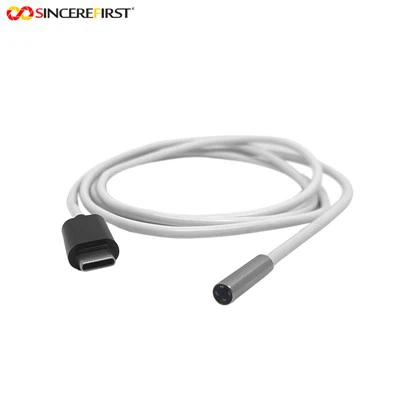

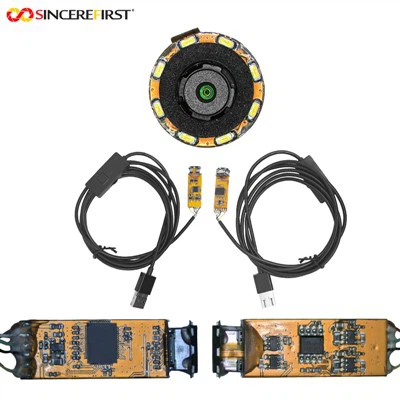

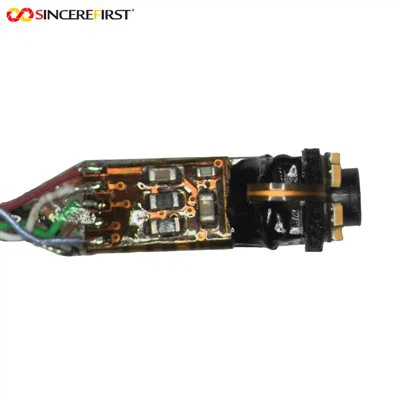
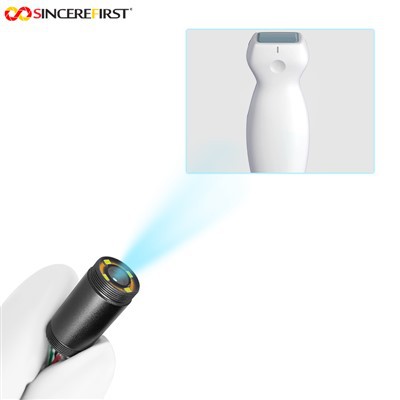


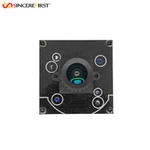
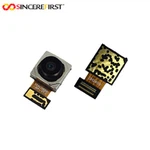
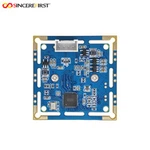
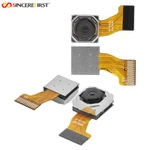
The USB endoscope camera module is a professional inspection device that integrates a micro optical imaging system and digital signal transmission functions. By encapsulating a miniature camera at the front end of a slender flexible or rigid probe tube and combining it with a high-brightness LED lighting source, it can conduct visual detection deep into the narrow Spaces of human body cavities or mechanical equipment. This module adopts the USB 2.0 or 3.0 standard interface to achieve plug-and-play, supports high-definition video acquisition with a maximum resolution of 4K, and has image processing functions such as auto-focus and digital zoom. In the medical field, its waterproof and antibacterial design is suitable for endoscopic diagnosis and treatment such as gastroscopy and colonoscopy. In the industrial field, oil-resistant and corrosion-resistant enhanced probes can be used in scenarios such as engine maintenance and pipeline flaw detection. Some high-end models also integrate Wi-Fi wireless transmission, image storage and measurement scale functions to meet the professional inspection needs of different industries. The core advantage of this equipment lies in the combination of the imaging function of traditional endoscopes with modern digital technology, which greatly enhances the convenience and accuracy of concealed space detection.
Advantages Of USB Endoscope Camera Module
Easy To Use And Plug-And-Play
The USB interface does not require complex driver installation or device restart and can be directly connected for use, simplifying the deployment and maintenance process of medical equipment.
Wide Compatibility
Supports multiple operating systems such as Windows, Linux, Android and medical devices, facilitating integration with existing systems and reducing compatibility issues.
High-Speed Data Transmission Capability
The USB 3.0/3.1 interface offers a transmission rate of up to 5Gbps, enabling smooth processing of 4K high-definition video streams and ensuring real-time, lag-free endoscope imaging.
Simplified Power Supply Design
The USB interface can directly power the module, reducing the need for additional power supply design, simplifying the device structure and enhancing portability.
Highly Integrated Design
The module integrates components such as cameras and image processing chips, is compact and lightweight, and is easy to be embedded in space-constrained medical devices such as endoscopes.
Strong Customizability
It can be flexibly customized according to medical, industrial and other needs to adapt to different endoscope scenarios.
Types of USB Endoscope Camera Module

USB2.0 Endoscope Camera Module
It adopts the mature USB 2.0 interface protocol, which can transmit high-definition resolution in real time. It uses the UVC driver-free protocol and is compatible with Windows/Android systems.

Autofocus USB Endoscope Camera Module
It integrates an autofocus function and achieves millisecond-level response through a contrast detection algorithm, making it suitable for detection scenarios where the depth of the cavity changes.

Waterproof USB Endoscope Camera Module
The fully sealed structure design features medical-grade silicone encapsulation at the lens seams, supporting an IP68 protection level and capable of withstanding high-pressure flushing and 75% alcohol disinfection.

Type-C Interface USB Endoscope Camera Module
The USB endoscope camera module with Type-C interface supports USB2.0 or USB3.0 rates. It is convenient to plug and unplug in either direction and represents the trend of modern devices.

Adjustable LED USB Endoscope Camera Module
You can choose to customize hardware or software apps to adjust the LED lights, adapting to various lighting usage environments.

Ultra-Fine Diameter USB Endoscope Camera Module
The thinnest diameter of the lens can be as small as 0.9mm, allowing it to enter any narrow micro-gap to capture images, but it is very expensive.
Application of USB Endoscope Camera Module

Industrial Endoscope
It is applied to internal maintenance of industrial equipment, such as engine oil circuit detection or circuit board soldering quality inspection. Its driver-free feature enables rapid deployment on Windows tablet devices to achieve 720P high-definition imaging.

Medical Endoscope
It is suitable for medical nasal and ear canal examination scenarios. The millisecond-level focusing response can clearly capture the image details of the lesion tissue changing with the depth of penetration.

Pipeline Inspection Endoscope
It is used for cleaning and inspecting food processing pipelines. With an IP68 protection rating, it can withstand high-temperature and high-pressure flushing. Medical silicone encapsulation ensures hygiene and safety.

Portable Endoscope
It can be used in conjunction with modern Android phones for outdoor equipment maintenance. The reversible plug-and-pull design enhances operation efficiency in confined Spaces, and it is compatible with USB2.0 to achieve high-definition image transmission.

Engine Endoscope
It is applied to the internal inspection of automotive gearboxes. The LED brightness can be adjusted through the APP to meet the reflection suppression requirements in an oil environment.

In-Flight Surveillance Endoscope
In special scenarios such as troubleshooting clogged fuel nozzles in aero engines, a 0.9mm diameter can penetrate micron-level gaps that traditional tools cannot reach.
Process of USB Endoscope Camera Module
Design and Development Stage
- Requirement definition: Clearly define the application such as medical/industrial scenarios, and determine core parameters such as resolution, frame rate, and water resistance level.
- Optical design: Select CMOS/CCD sensors and lens groups (including wide-angle or zoom functions), and design the fiber optic lighting system.
- Structural design: Titanium alloy or ceramic shells are adopted to ensure high-temperature resistance. The flexible tube design should meet the requirements of ergonomics or industrial scenarios.
- Electronic system: Integrated image processing unit (ISP), USB interface chip, and optimized power management module.
Component Manufacturing
- Optical components: The lens module is assembled in a dust-free workshop, and the lens coating and optical fiber bundle calibration are completed using the AA process technology.
- Electronic components: Produce PCB boards, solder sensors and processing chips, and package using COB/COF technology.
- Mechanical structure: The precision processed shell and flexible sleeve are formed by CNC machine tools and explosion-proof treatment is completed.
Assembly and Debugging
- Optical system integration: Assemble the lens, sensor and fill light into a complete imaging module and perform focal length calibration.
- Whole machine assembly: Connect cables (twisted-pair shielded structure), encapsulate the main system, and spray three-proof coating.
- Functional test: Verify the stability of image transmission, USB interface compatibility and uniformity of the lighting system.
Quality Inspection
- Environmental testing: Simulate extreme conditions such as high temperature, high humidity and water resistance.
- Performance testing: Check resolution, frame rate, signal-to-noise ratio, and AI algorithm-assisted defect recognition.
- Safety certification: Passed relevant standards for medical/industrial equipment (such as ISO 13485, ATEX explosion-proof certification).
Packaging and Delivery
- Cleaning and disinfection: Medical-grade endoscopes need to undergo sterilization treatment, and industrial equipment should be dust-proof sealed.
- Logistics preparation: Sort according to orders, attach inspection reports and compliance certificates, and complete factory records.
Components of USB Endoscope Camera Module
Optical imaging system
Micro optical lens: It adopts a combination of multiple lenses with diameters ranging from 0.5 to 2mm. The surface of the lenses is coated with an anti-reflection film to enhance light transmittance. Some models are integrated with infrared filters to eliminate color cast.
Image sensor: The mainstream uses CMOS sensors, supporting 720 resolution and 30fps image acquisition. Medical-grade modules need to have the ability to recognize lesions at the micrometer level.
Lighting system: Modules with leds can integrate LED light sources or use fiber optic light guiding technology to achieve shadowless lighting and avoid tissue reflection interference.
Electronic processing unit
Image Signal processor (ISP): performs real-time HDR synthesis, automatic white balance (AWB), and color correction.
Interface control module: It adopts USB or Type-C interface, supports USB2.0 and above protocols, and has a transmission rate of up to 5Gbps.
Auxiliary electronic components: circuit board, temperature sensor or other auxiliary electronic components.
Mechanical structural components
Corrosion-resistant housing: usually made of steel, effectively protecting the lens and other components.
Sealing structure: medical-grade silicone sealing ring, supporting 100,000 times of bending test, IP67-level waterproof design.
How To Cooperate With Us?
Demand Analysis
Communicate requirements with customers
Design Scheme
Design solutions that meet customer needs
Establish Cooperation
Provide camera module drawings and establish cooperation
Make Samples
Camera module proofing according to the design plan
Camera Module Test
Send out samples, and customers will test
Mass Production
After the samples pass the customer's test, mass production begins
Certifications
RoHS, REACH, ISO, CE, FCC

CE

FCC

ISO 9001

REACH

RoHS
FAQ
Q: What is an endoscope camera used for?
A: Endoscopy is the use of cameras to relay images from inside the body. The device used, known as an endoscope, is a long, thin, and flexible tube that has a camera at one end as well as a light source. An endoscopy can be used to diagnose a wide range of conditions, and the results are interpreted by a specialist.
Q: What is the difference between a borescope and an endoscope camera?
A: Endoscopes are more flexible, they cost more and they are used most commonly in medicine and veterinary care. Borescopes are less flexible, they cost less, they offer a better field of view and they are used much more widely across many different industries.
Q: How does an endoscope device work?
A: Fiberoptic endoscopic devices consist of flexible tubing that contains a series of lighted mirror lenses and optic fibers. These instruments transmit light around corners, twists, and bends, allowing direct visualization of body systems not easily visualized by other means.
Q: What are the advantages of USB endoscope camera modules over traditional endoscopes?
A: The USB endoscope camera module features plug-and-play functionality, high compatibility, high-speed data transmission, simplified power supply design, high integration, and strong customization. They make endoscopic testing more convenient and efficient, and can meet the specific needs of different industries and applications.
Q: How do USB endoscope camera modules improve medical diagnostics?
A: The USB endoscope camera module offers functions such as high-definition image acquisition, auto-focusing, and digital zoom, enhancing the accuracy and efficiency of diagnosis. Meanwhile, its waterproof and antibacterial design ensures safety and hygiene during medical processes. In addition, wireless transmission and image storage functions also provide convenience for telemedicine and medical record management.
Q: What organs can a doctor see during endoscopy?
A: An endoscopy procedure involves inserting a long, flexible tube called an endoscope down your throat and into your esophagus. A tiny camera on the end of the endoscope allows views of your esophagus, stomach and the beginning of your small intestine, called the duodenum.
Q: Will an endoscopy show liver problems?
A: An endoscopy can detect many types of liver diseases as well, such as cirrhosis, esophageal varices, and portal hypertension. Liver diseases can include: Hepatitis.
Q: Can endoscopy see pancreas and liver?
A: Endoscopic retrograde cholangiopancreatography, or ERCP, is a procedure to diagnose and treat problems in the liver, gallbladder, bile ducts, and pancreas. It combines X-ray and the use of an endoscope—a long, flexible, lighted tube.
Q: What are the common applications of USB endoscope camera modules in industry?
A: In the industrial field, USB endoscopic camera modules are widely used in scenarios such as internal equipment inspection, pipeline defect checking, and circuit board soldering quality inspection. They can help engineers quickly locate problems, improve maintenance efficiency and equipment reliability.
Q: What are the maintenance requirements for USB endoscope camera modules?
A: To maintain the best performance of the USB endoscopic camera module, regular cleaning and disinfection (especially for medical-grade equipment) are required, and the integrity of the cables and connection components should be checked. In addition, the equipment should be avoided from being used under extreme temperature or humidity conditions to ensure its stability and lifespan.