


ONVIF IP Camera Modules for Security Monitoring, Smart IoT Devices, and Embedded Network Camera Systems
SincereFirst offers ONVIF IP Camera Module solutions for product teams that need network-based video transmission, cross-platform interoperability, low-light imaging, and practical OEM integration. The current lineup covers 2MP, 4MP, and 8MP module directions, including cost-effective 1080P options, balanced 4MP network camera modules, 4K low-light modules, and higher-end 8MP 4K platforms with richer I/O and algorithm expansion capability. These modules support H.265 / H.264 video encoding, full Netcom, and standard ONVIF 2.6 protocol, making them suitable for OEM IP cameras, smart terminals, embedded monitoring devices, and other network imaging systems.
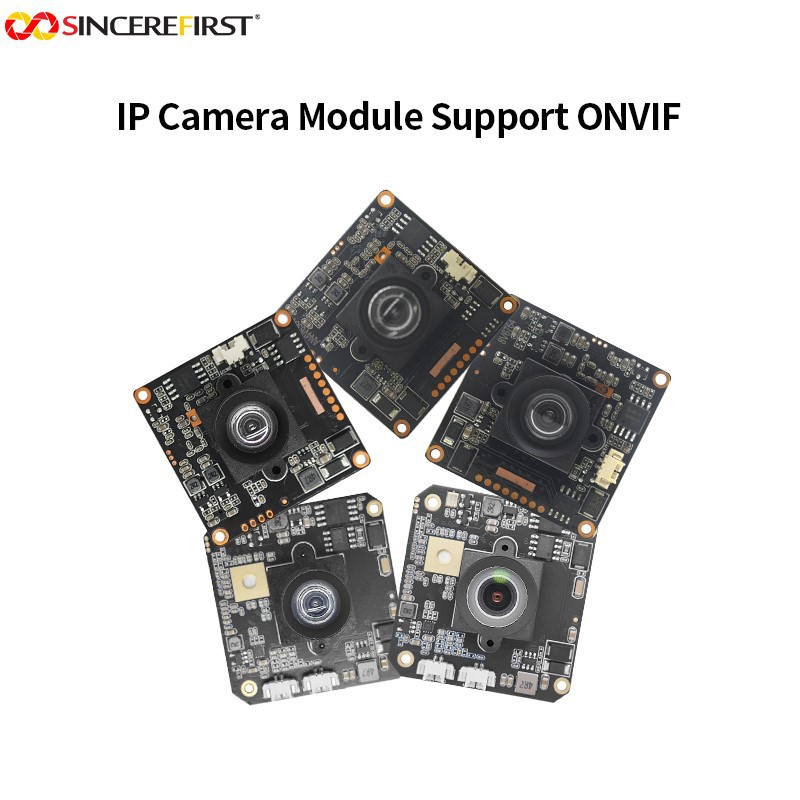
What is ONVIF IP Camera Module?
An ONVIF IP Camera Module is a camera module that supports network video transmission together with the ONVIF protocol, so it can be integrated more easily into systems that need standardized communication between cameras, software platforms, and other video-surveillance-related devices.
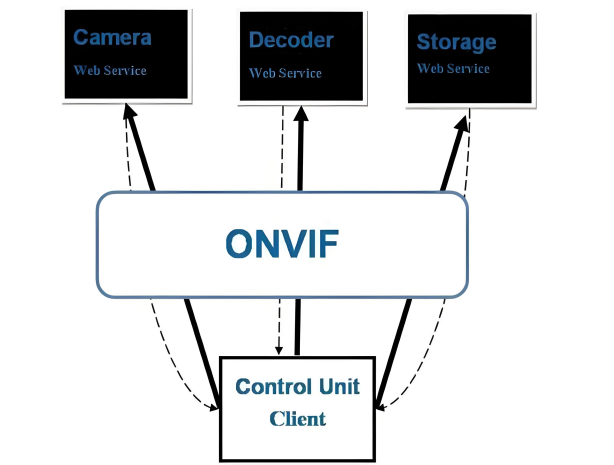
In practical OEM development, this matters because customers often do not want to build every part of the network camera stack from scratch. A module that already supports network transmission and ONVIF can help simplify integration into IP camera systems, smart monitoring products, and embedded network devices.
At the same time, it is important to understand what this product direction is. These are camera modules, not complete finished cameras. They are designed to be integrated into the customer's own device, housing, system board, platform, and software environment. The module can support ONVIF at the camera-module level, but final system-level compatibility still depends on the customer's complete device and platform design.
ONVIF IP Camera Module Vs Standard Network Camera Module
The biggest difference is interoperability and deployment logic. A standard network camera module may support network video transmission, but an ONVIF-supporting module is more suitable for projects that need standardized protocol compatibility across platforms, software environments, and device ecosystems.
|
Aspect |
ONVIF IP Camera Module |
Standard Network Camera Module |
|
Protocol Direction |
Supports ONVIF-based interoperability |
May rely more on private or project-specific integration |
|
System Integration |
Better suited to cross-platform deployment and integration |
More dependent on custom system adaptation |
|
OEM Development |
More practical for customers building IP camera systems around standard protocol logic |
More suitable when protocol standardization is not a priority |
|
Video Transmission |
Supports network video transmission with H.265 / H.264-based compression on current models |
Also supports network video, but interoperability may vary |
|
Multi-Device Compatibility |
Better for projects that need easier connection with ONVIF-related software or management environments |
May require more custom integration work |
|
Application Positioning |
Suitable for embedded IP camera systems, smart monitoring, and interoperable OEM projects |
Suitable for more limited or closed network imaging systems |
For customers building network camera products that need broader compatibility, easier deployment, and standardized protocol support, the ONVIF direction is usually the more practical choice.
Why ONVIF Matters in Real Projects?
In real OEM projects, ONVIF is not just a protocol label. It matters because it can reduce friction in system integration, deployment, and future expansion.
When a customer is building an embedded IP camera device, a smart monitoring product, or a network-enabled vision terminal, protocol compatibility can quickly become a bottleneck. If the camera direction already supports standard ONVIF 2.6 protocol together with network video encoding, it becomes easier to connect the module into broader surveillance or device-management environments. That can save time during development and reduce repeated custom integration work.
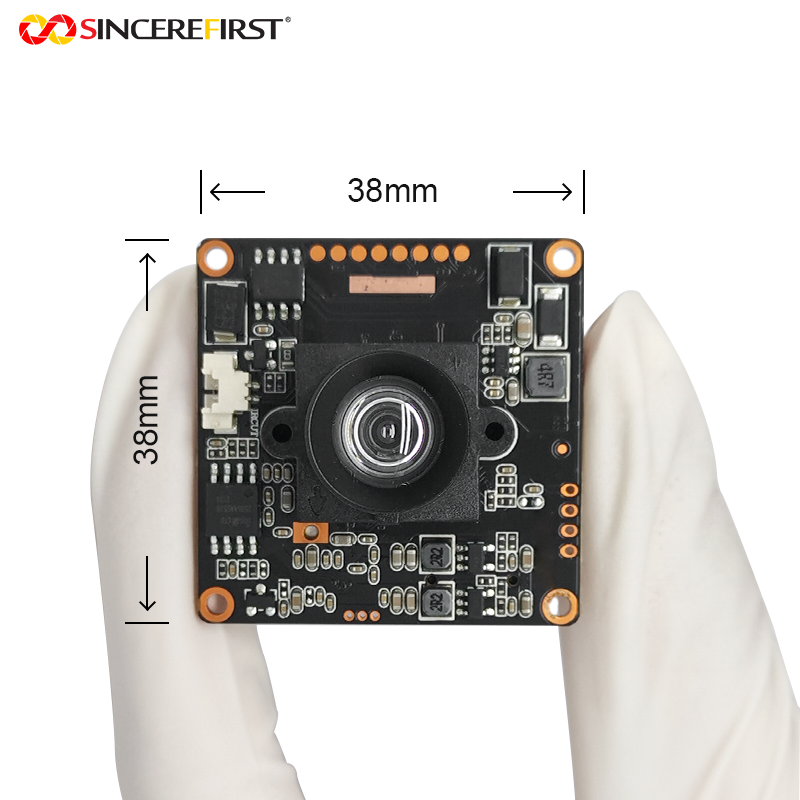
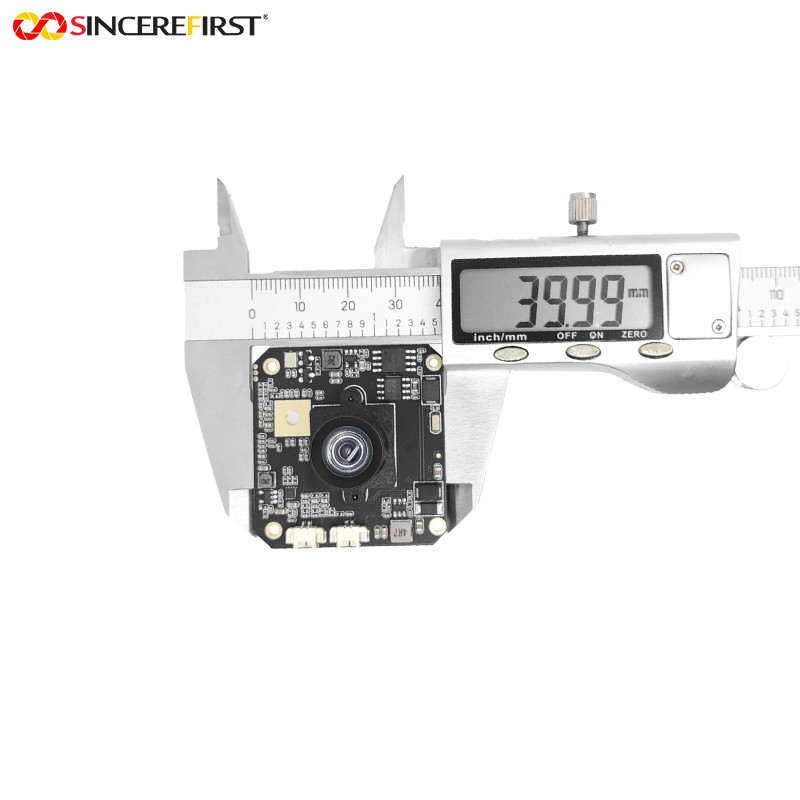
This also matters when product teams want to build different devices on one general platform. In the current SincereFirst lineup, customers can move from 2MP to 4MP to 8MP, or from a more compact 38mm × 38mm platform to a richer 42mm × 40mm 4K platform, while staying in a similar ONVIF-enabled product direction. That makes evaluation and product iteration more practical.
Typical Applications for ONVIF IP Camera Modules

Security Monitoring
These modules are suitable for OEM network camera products used in security monitoring systems that need ONVIF-based integration and low-light imaging.
Access Control and Visitor Management Devices
They are also suitable for access-related terminals and visitor devices where network connectivity and protocol interoperability matter at the system level.


Smart Home and Infant Monitoring
Low-light imaging, network transmission, and ONVIF protocol support make this direction practical for smart home and infant-monitoring-related OEM projects.
Video Conference Equipment
Some projects use ONVIF-enabled network modules in conference-related or network imaging devices where remote video integration is required.
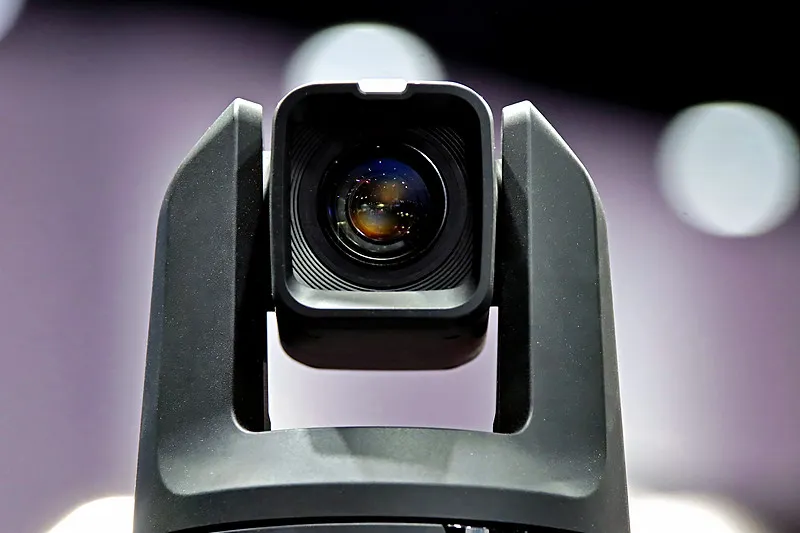

Artificial Intelligence Internet of Things Devices
This product direction is suitable for AIoT devices that need embedded network imaging together with standard protocol-based communication.
Smart Retail and Embedded Network Terminals
These modules are also useful in retail or embedded network terminals where the customer needs a compact IP camera direction instead of a finished standalone camera.

Recommended SincereFirst ONVIF IP Camera Modules
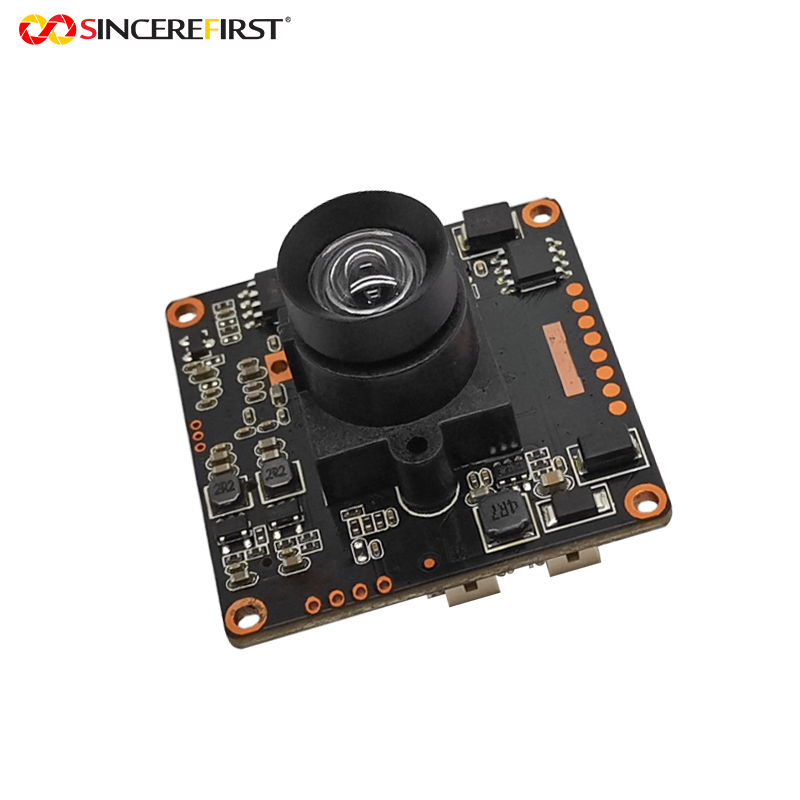
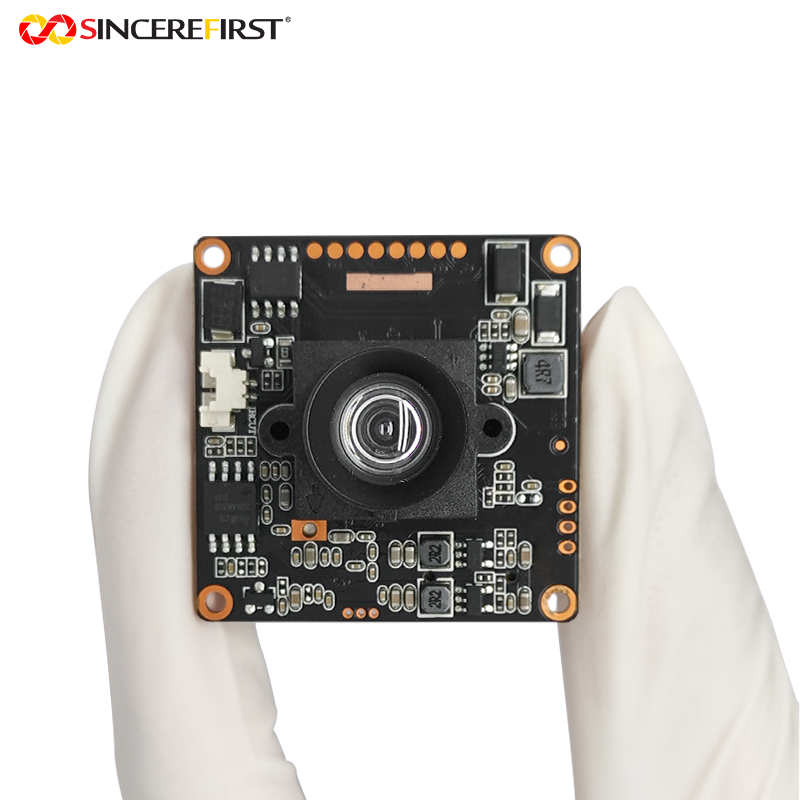
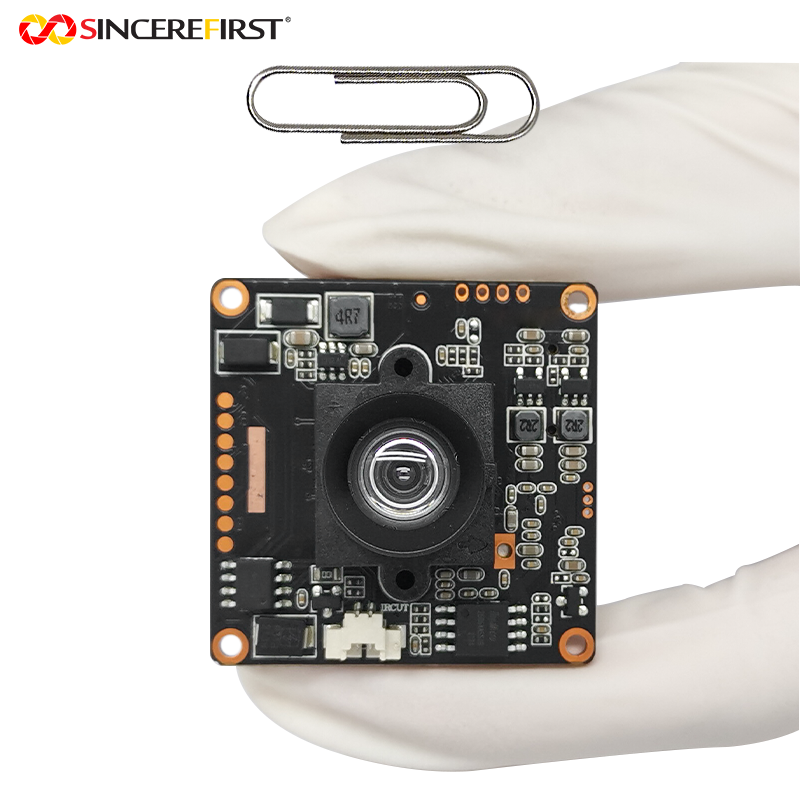
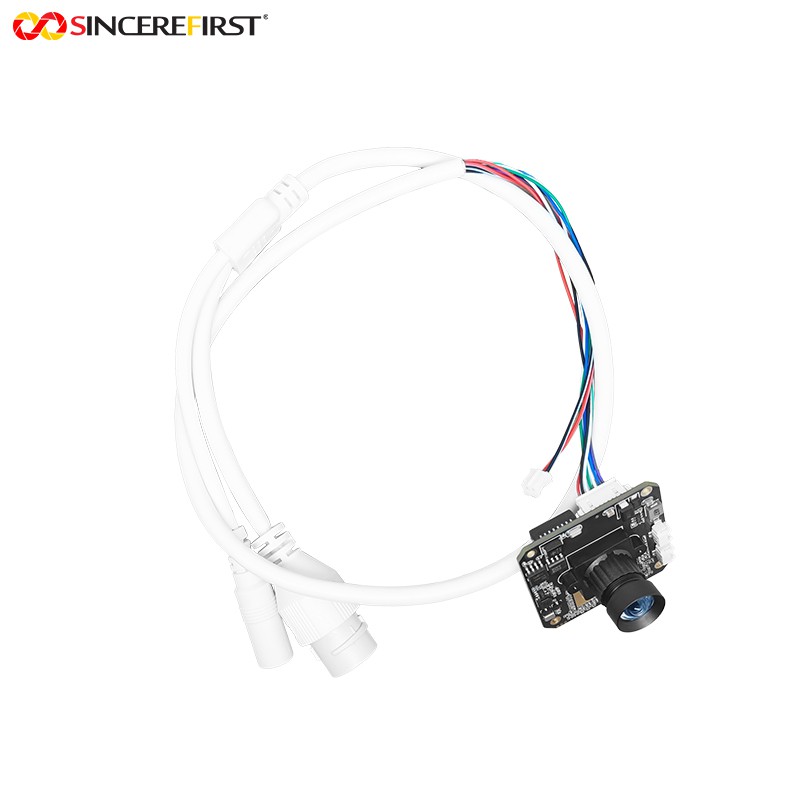
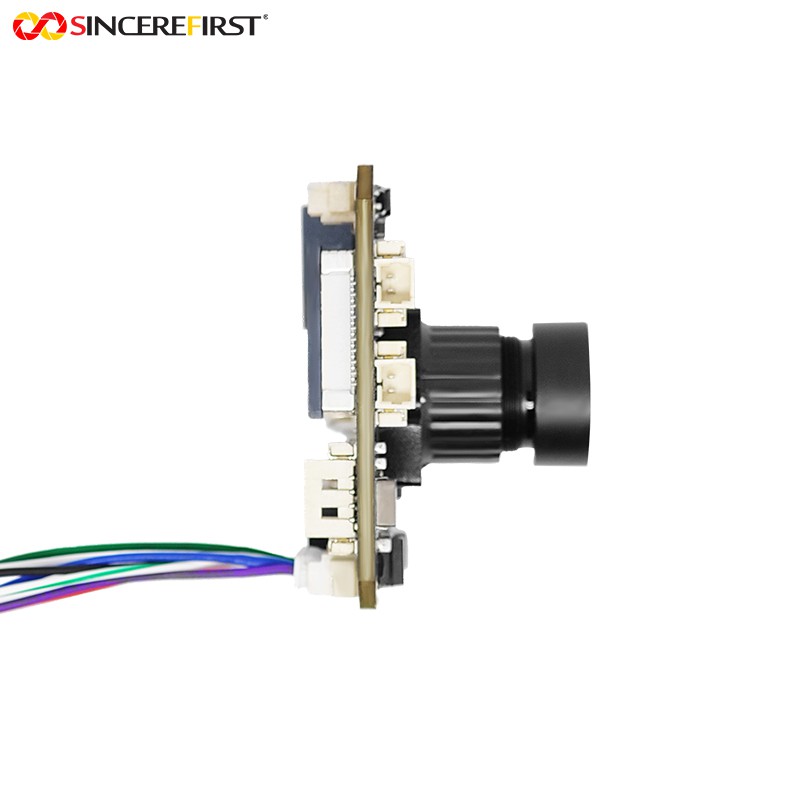
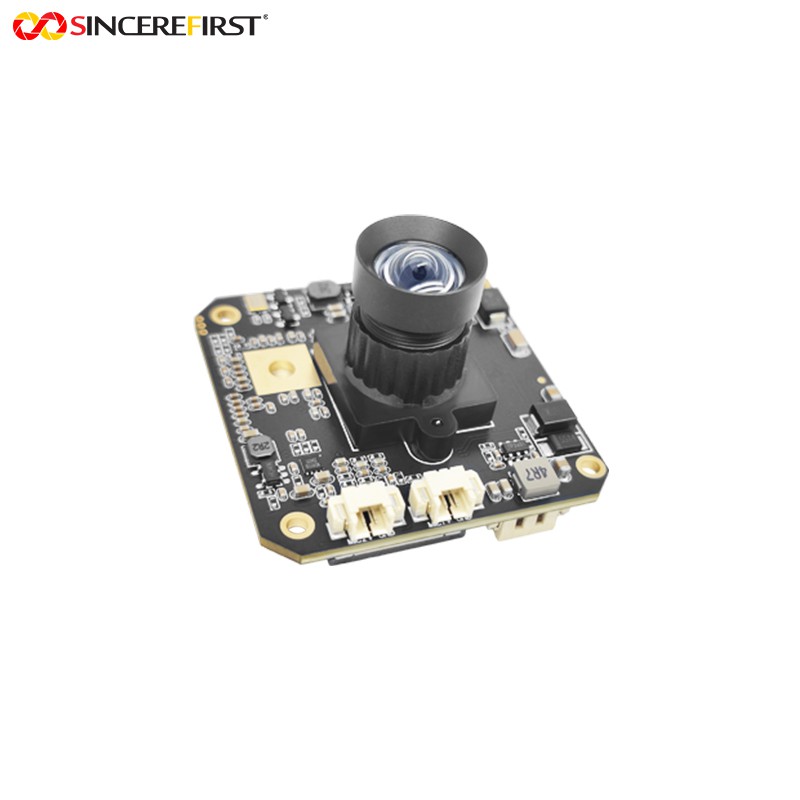
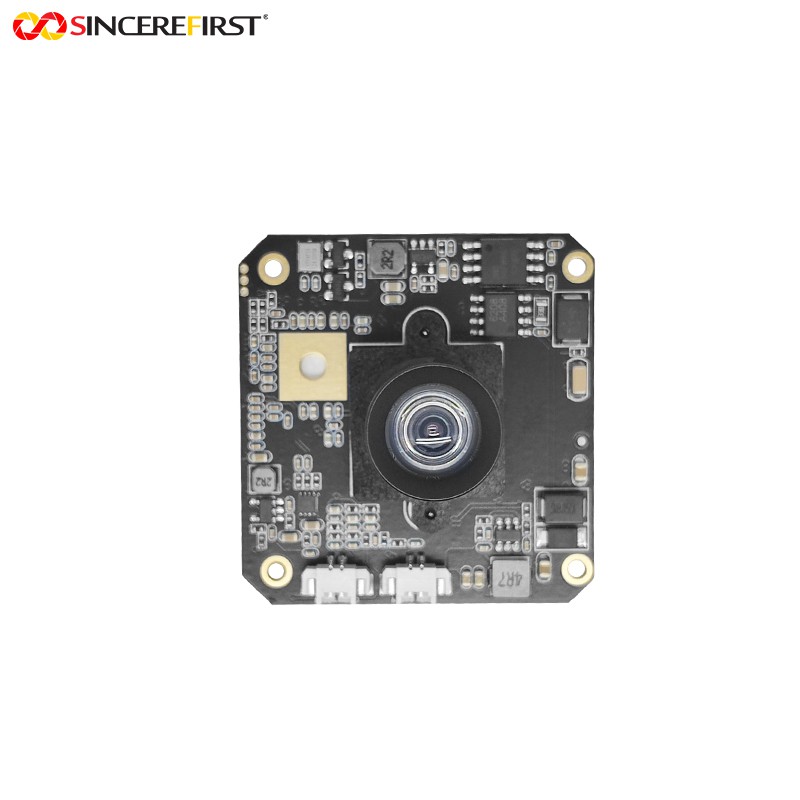
SincereFirst currently offers five stocked ONVIF-supporting IP camera module directions in this lineup. The current range includes 38mm × 38mm low-light network camera modules in 2MP, 4MP, and 8MP directions, as well as 42mm × 40mm 4K platforms that add richer I/O, algorithm customization potential, and optional AF electric lens expansion. Across the current lineup, the shared product logic includes low-light imaging, H.265 / H.264 encoding, ONVIF support, and practical OEM integration for network camera development, while the main differences lie in resolution, sensor platform, low-light level, I/O richness, and whether the project prioritizes cost control, balanced image performance, or flagship 4K positioning.
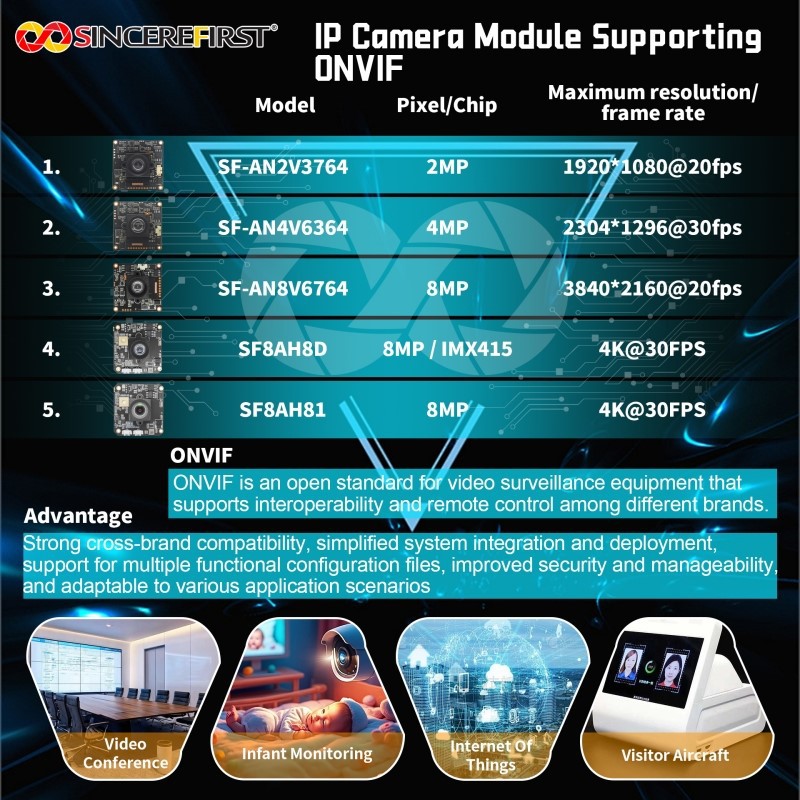
Best suited to cost-sensitive 2MP network camera projects that need practical ONVIF support and low-light imaging
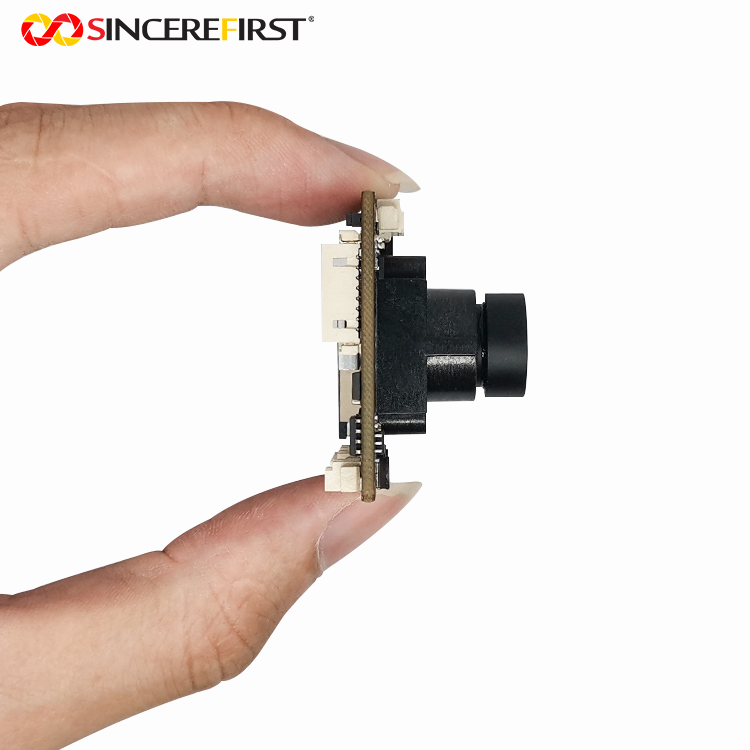
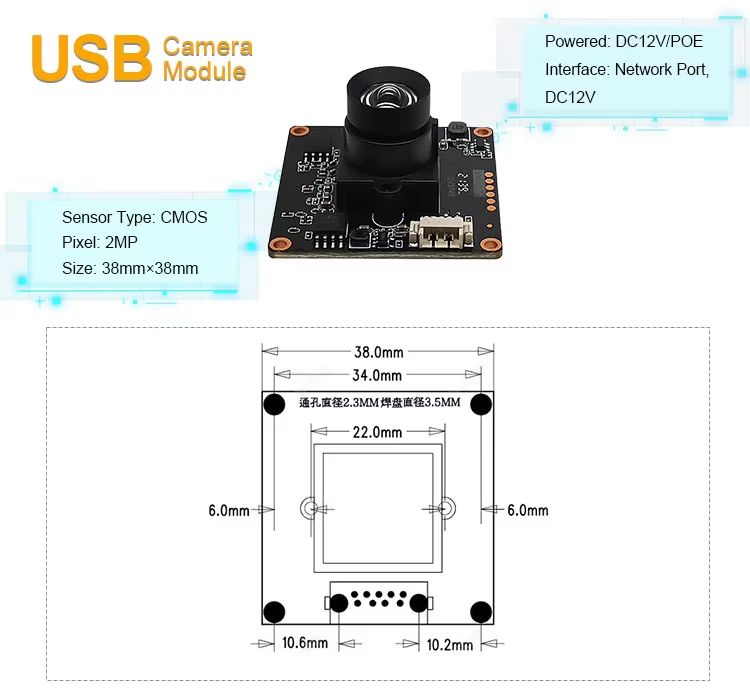
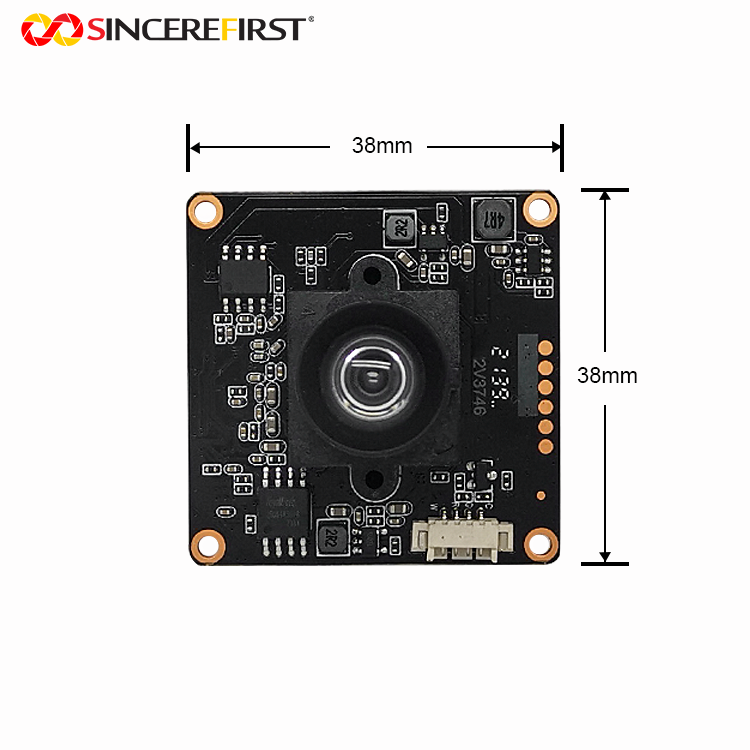
SF-AN2V3764 is the more cost-effective entry direction in the current ONVIF IP module lineup. Built on a 1/2.9" star-level low-light CMOS platform, it supports 2MP, 1920 × 1080 or 1280 × 720 at 5–20fps, H.265 / H.264 encoding, expandable memory card support, and standard ONVIF 2.6 protocol. It also supports infrared light, warm white light, and dual light, making it suitable for practical 1080P network camera projects that need cost control together with basic ONVIF-based deployment.

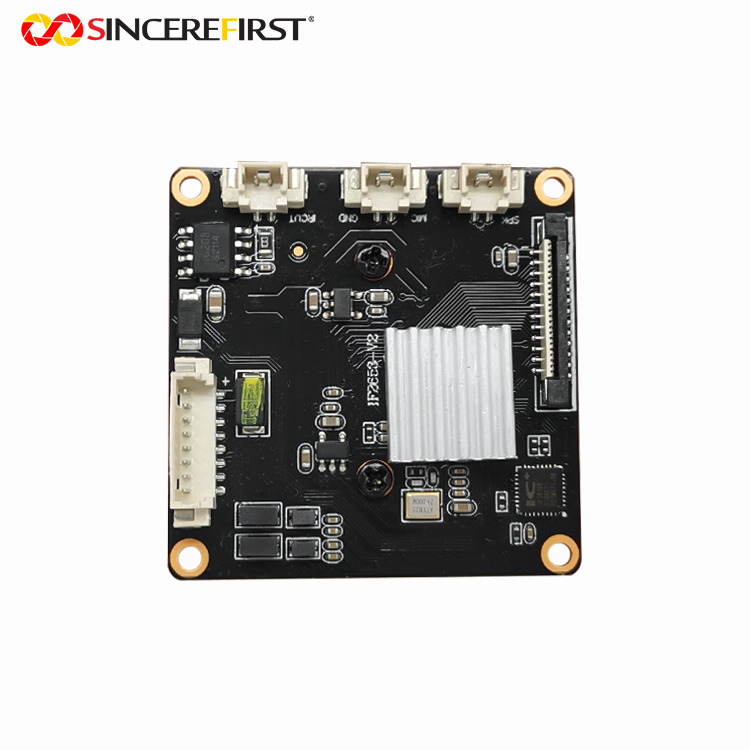
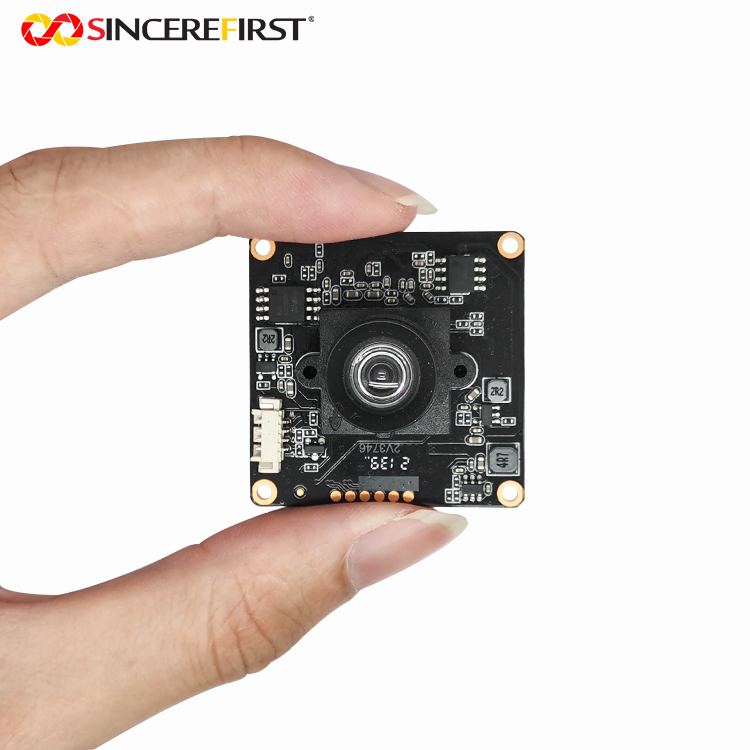
Best suited to balanced 4MP network camera projects that need stronger image detail without moving to a higher-end 4K platform
SF-AN4V6364 is the balanced 4MP direction in this lineup. It uses a 1/2.9" star-level low-light CMOS platform and supports 2560 × 1440, 2304 × 1296, and 1920 × 1080 at 1–30fps, together with H.265 / H.264, expandable memory card support, and standard ONVIF 2.6 protocol. It is a practical fit for projects that need better image detail than 2MP while keeping the compact 38mm × 38mm module structure and the same ONVIF-based product logic.
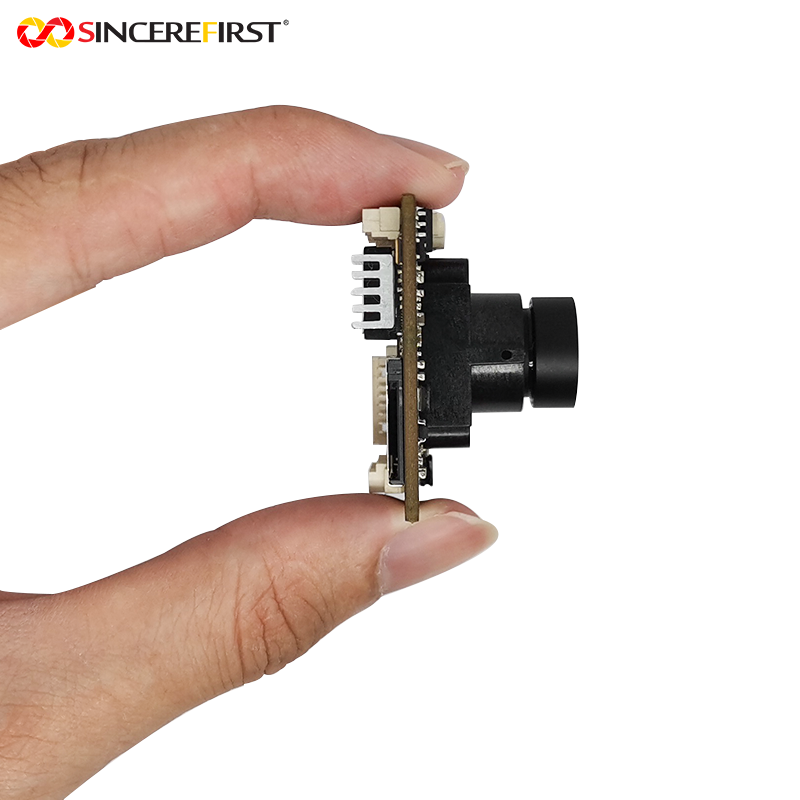

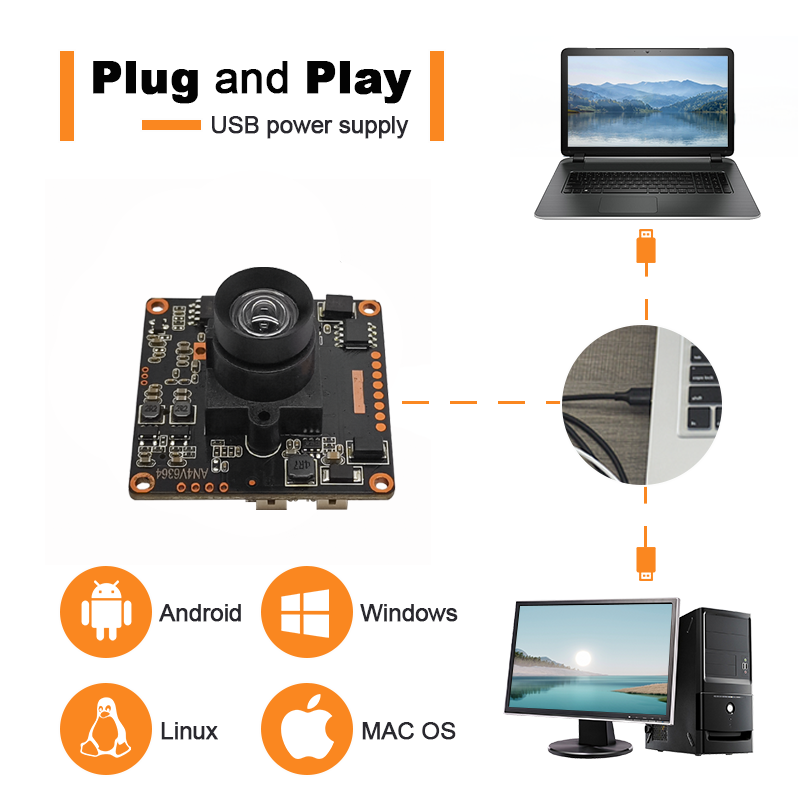
Best suited to 8MP 4K low-light projects that need a more cost-controlled 4K ONVIF direction
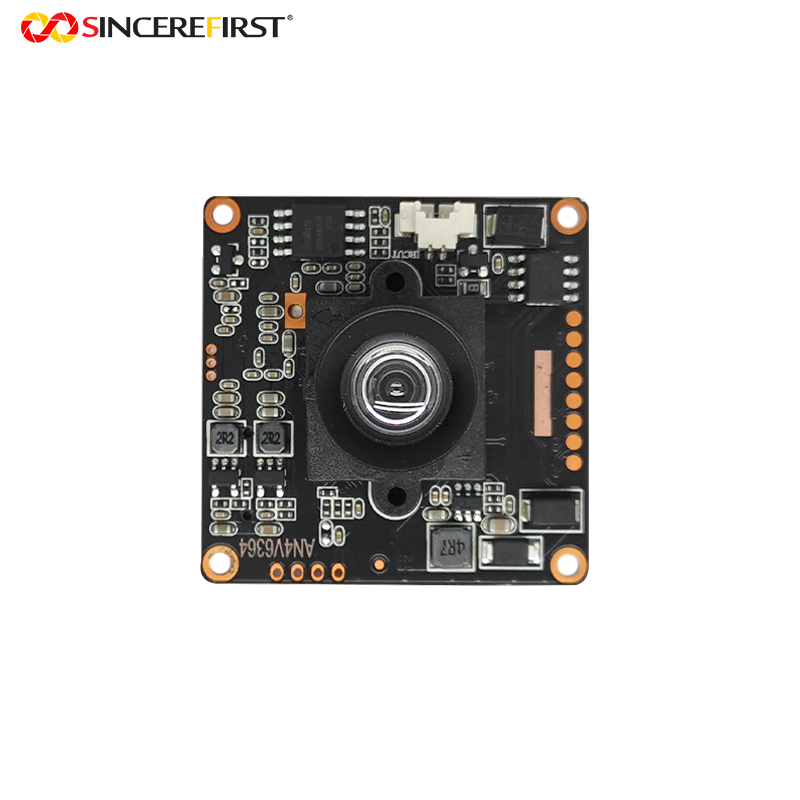
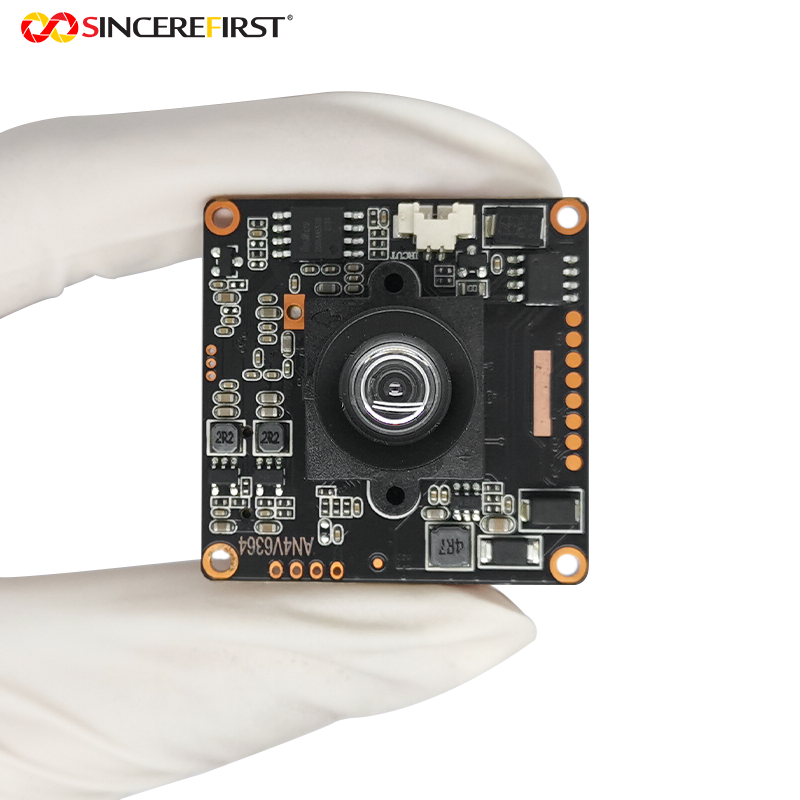
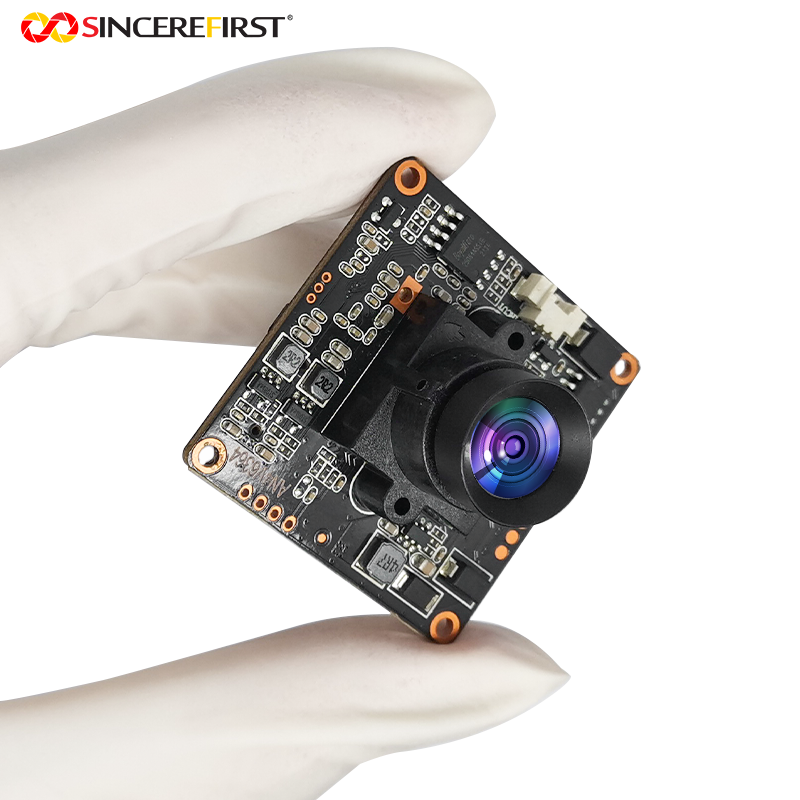
SF-AN8V6764 is the 8MP 4K low-light direction on the compact 38mm × 38mm network camera platform. It supports 3840 × 2160 at 1–20fps, and also supports 2560 × 1440, 2304 × 1296, and 1920 × 1080 at 1–30fps. Like the 2MP and 4MP versions, it supports infrared light, warm white light, dual light, H.265 / H.264, expandable memory card support, and standard ONVIF 2.6 protocol. It is suitable for projects that need 4K direction and night-vision-related positioning while keeping a more compact and cost-conscious network module structure.
Best suited to 8MP 4K projects that need richer I/O, MIC support, and stronger platform expansion
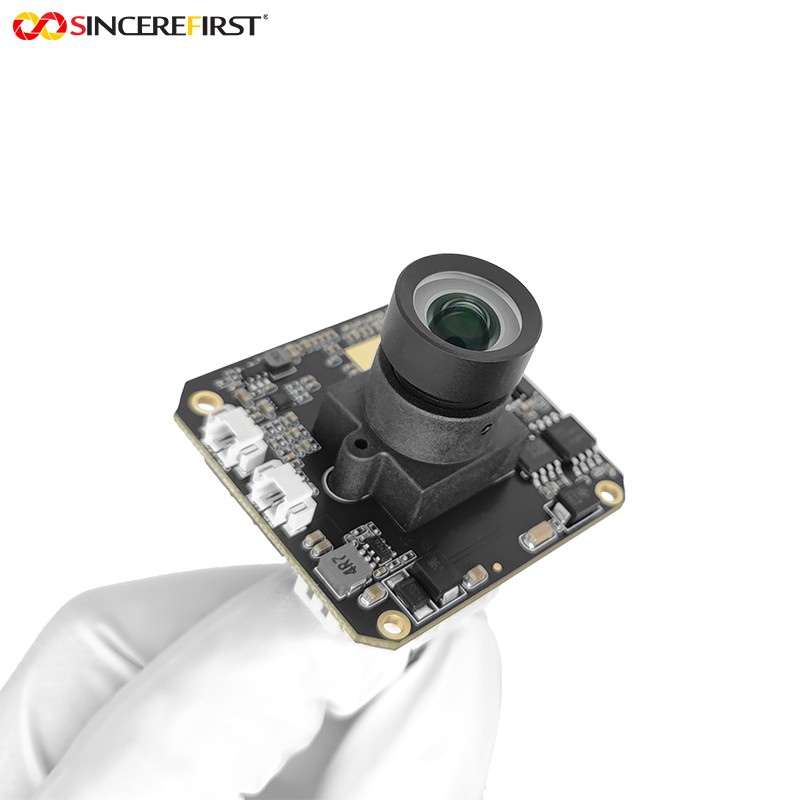
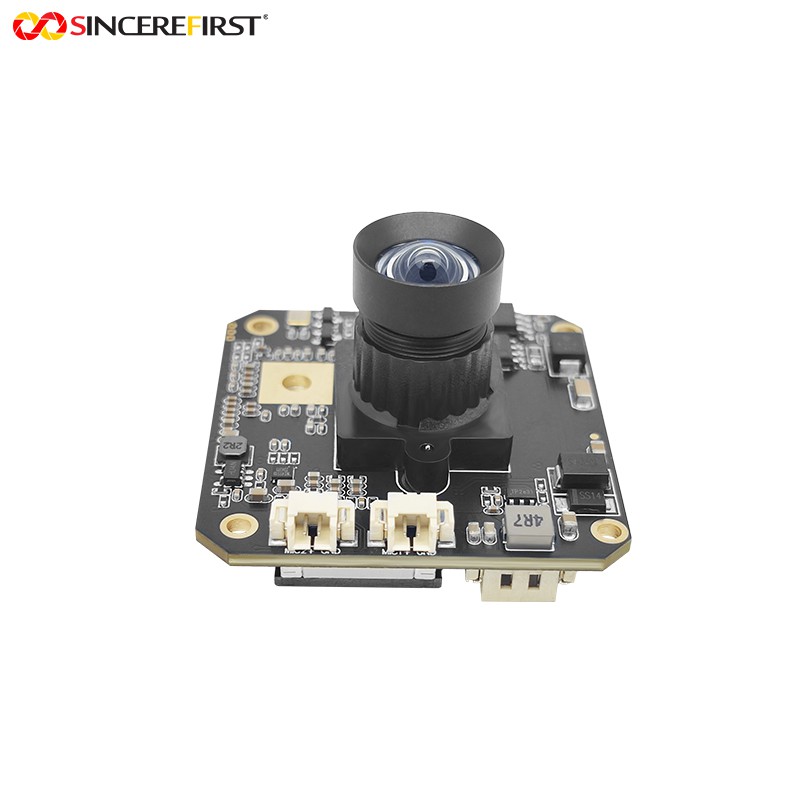
SF8AH81 moves into the newer 42mm × 40mm 4K platform direction. It uses a 1/2.7" 8MP ultra-low-illumination CMOS platform and supports 3840 × 2160 at 30fps, together with H.265 / H.264, 0.5T computing support, dual-stream output, 2-channel MIC input, speaker output, alarm input/output, and optional AF electric lens expansion. It also supports infrared light, warm white light, dual light, and standard ONVIF 2.6 protocol, making it more suitable for OEM projects that need a stronger 4K IP module platform with richer system integration capability.

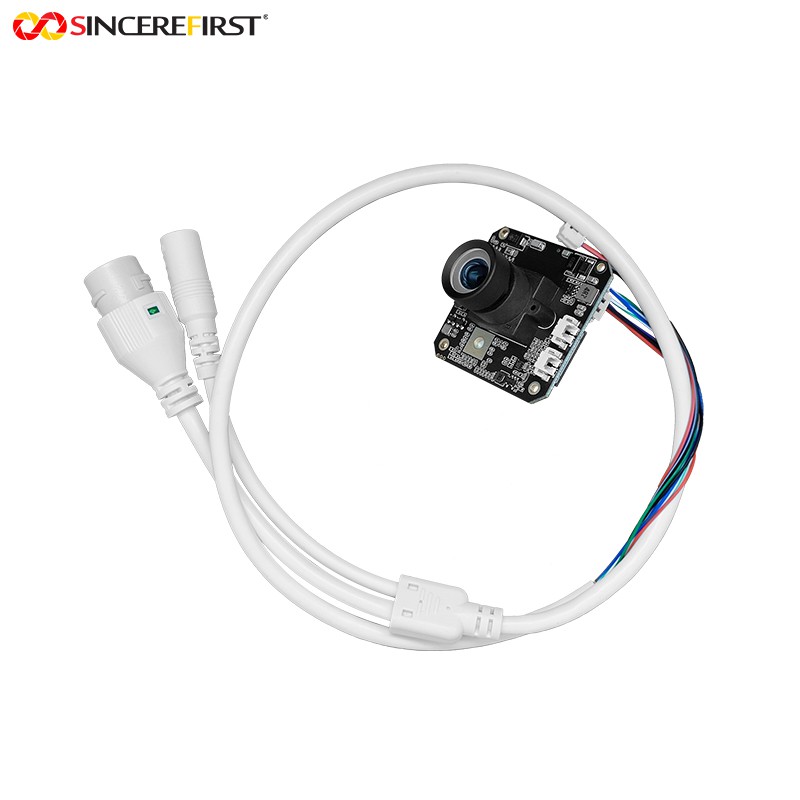

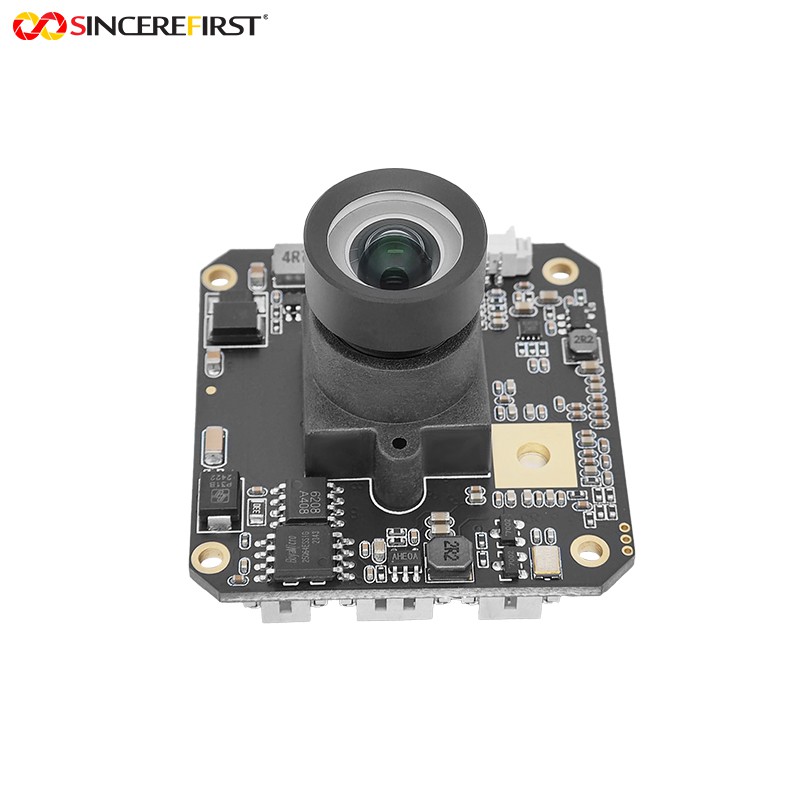
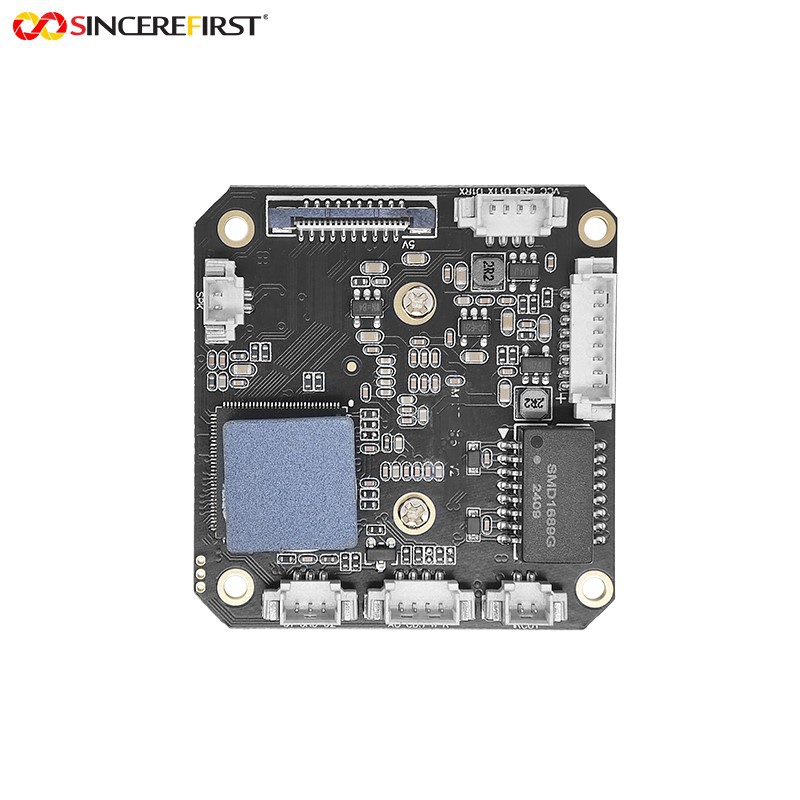
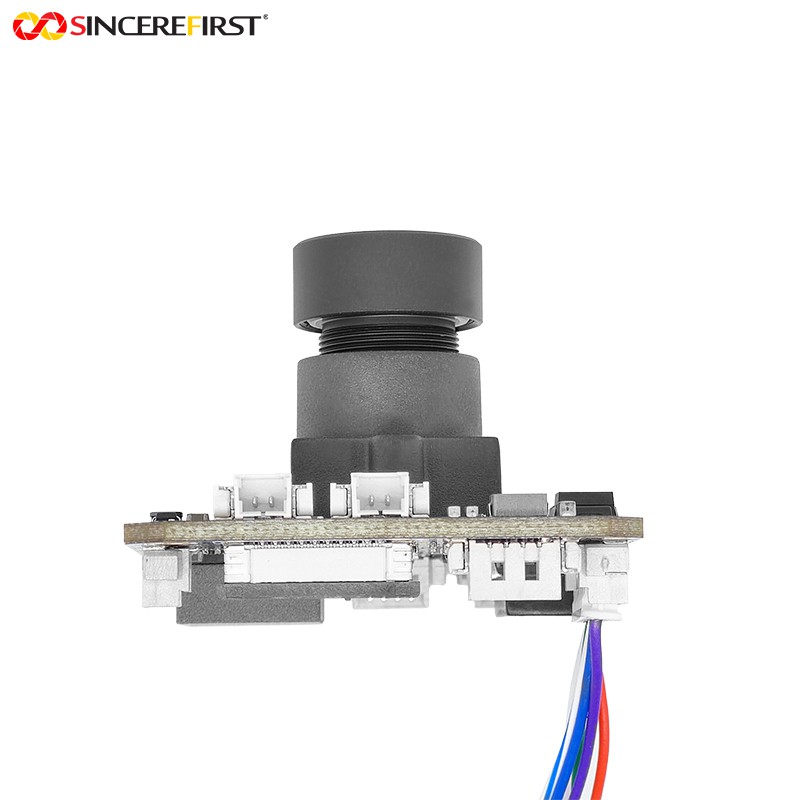

Best suited to flagship 8MP 4K projects that want the IMX415 direction and stronger image positioning
SF8AH8D is the flagship 8MP 4K direction in the current lineup, built around the IMX415 1/2.8" 8MP ultra-low-illumination platform according to your confirmed product positioning. It supports 3840 × 2160 at 30fps, dual-stream output, H.265 / H.264, 0.5T computing support, 2-channel MIC input, speaker output, alarm I/O, and optional AF electric lens support. It also supports infrared light, warm white light, and dual light, together with standard ONVIF 2.6 protocol, making it the better direction when the project prioritizes stronger 4K image positioning within this ONVIF IP camera module family.


How to Choose the Right ONVIF IP Camera Module?
Choose SF-AN2V3764 if...
- you need a cost-effective 2MP ONVIF network module
- 1080P / 720P is enough for the project
- low-light imaging and basic network camera integration matter more than higher resolution
- you want a practical entry point into ONVIF-based OEM IP products
01
Choose SF-AN4V6364 if...
- you need a balanced 4MP / 2K direction
- you want better detail than 2MP without moving to a 4K platform
- you still want a compact 38mm × 38mm network module
- the project values balance between image quality and cost
02
Choose SF-AN8V6764 if...
- you need a 4K ONVIF direction
- you want to stay on the compact 38mm × 38mm platform
- low-light and night-vision-related positioning matter
- the project needs 8MP but does not require the richer I/O of the 42mm × 40mm platform
03
Choose SF8AH81 if...
- you need 8MP 4K at 30fps
- richer I/O, MIC, speaker, and alarm interfaces matter
- the project may need algorithm customization or optional AF electric lens support
- you want a stronger general-purpose 4K ONVIF network module platform
04
Choose SF8AH8D if...
- the project prioritizes a flagship 8MP 4K direction
- you want the IMX415 platform
- stronger 4K image positioning matters more than lower cost
- you need the richer 42mm × 40mm system platform with ONVIF support
05
Custom ONVIF IP Camera Module Options
SincereFirst supports customization for ONVIF IP Camera Module projects according to OEM integration needs, including:
Sensor and Resolution Direction
Customers can choose different module directions according to target resolution, low-light requirement, and final product positioning.
Light Board Direction
Current platform directions support infrared light, warm white light, and dual light, and the final light-board direction can be reviewed according to application needs.
Lens and AF Electric Lens Support
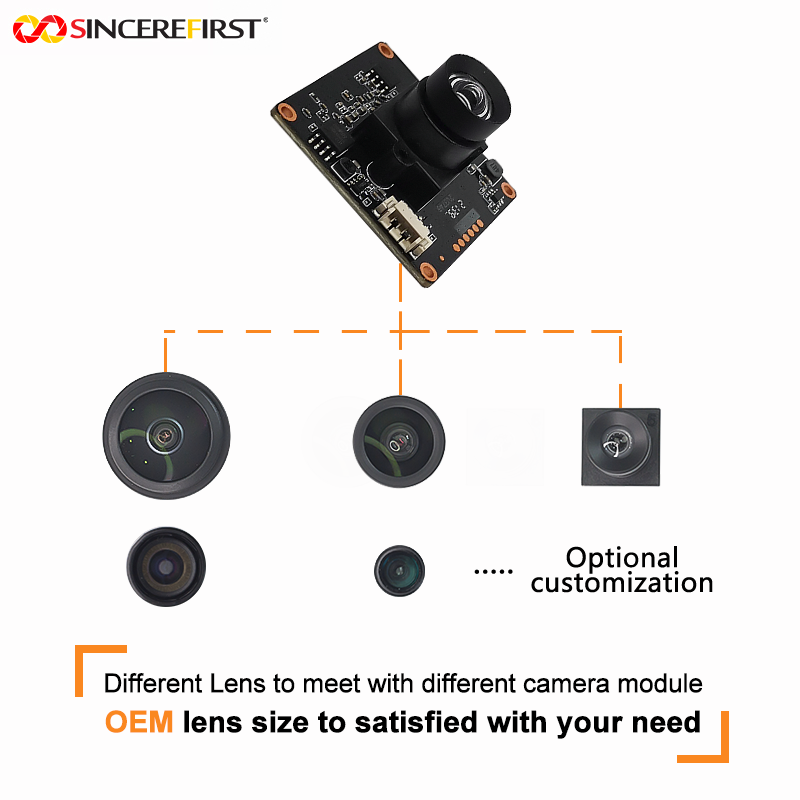
Lens direction can be reviewed according to working distance and image requirement, and some 8MP 4K platforms can be extended to support AF electric lens.
Audio and I/O Expansion
Depending on the platform, projects can review MIC, speaker, alarm I/O, and related system-side expansion.
Storage and Platform Integration
Some current models support expandable memory card function, and module structure can be reviewed according to the final host device, motherboard, and housing design.
Algorithm Customization
On the newer 8MP 4K platforms, 0.5T computing support and algorithm-related customization can be reviewed according to the project requirement.
Important Note on System-Level Functions
Features such as remote viewing, cloud linkage, motion alerts, storage behavior, two-way audio, or platform-side analytics still depend on the customer's final device and software environment. The module can provide the ONVIF-capable camera direction, but final whole-device behavior depends on complete system integration.
FAQ
Q1: What is an ONVIF IP Camera Module?
A: It is a network camera module that supports ONVIF protocol together with network video transmission, making it more suitable for interoperable OEM IP camera systems.
Q2: Are these finished IP cameras?
A: No. These are camera modules for OEM integration, not complete finished camera products.
Q3: What does "supporting ONVIF" mean here?
A: It means the current module platform supports standard ONVIF 2.6 protocol at the module direction, which helps with broader integration into ONVIF-related systems. Final compatibility still depends on the customer's whole-device and software environment.
Q4: Do these modules support night-vision-related lighting?
A: Yes. The current lineup supports infrared light, warm white light, and dual light depending on the platform direction.
Q5: Can storage card support be expanded?
A: Yes. The current 2MP, 4MP, and 8MP compact network module directions show expandable memory card support.
Q6: Which model is better for a cost-effective 1080P project?
A: SF-AN2V3764 is the more practical starting point for cost-sensitive 2MP ONVIF IP camera module projects.
Q7: Which model is better for 4K flagship positioning?
A: If the project prioritizes higher-end 4K image positioning, SF8AH8D is the stronger flagship direction in the current lineup.
Q8: Can these modules support AF electric lenses?
A: The newer 8MP 4K platforms such as SF8AH81 and SF8AH8D can be extended to support AF electric lens according to project needs.
Closing Section
Whether your project needs a cost-effective 2MP ONVIF network module, a balanced 4MP / 2K platform, or a higher-end 8MP 4K IP camera module with richer expansion capability, SincereFirst can provide a practical ONVIF IP Camera Module direction for OEM network camera development and embedded IP imaging systems.