


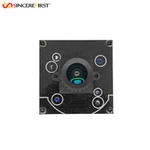
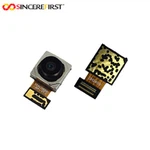
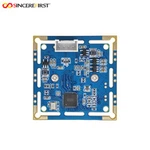
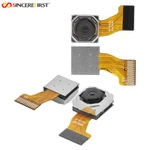
USB 3.0 Camera Module
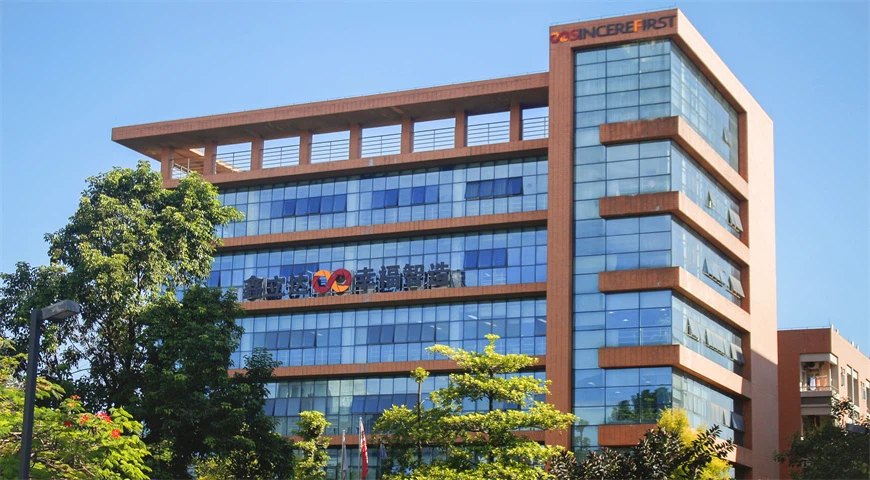
SincereFirst offers USB 3.0 camera modules for product teams that need higher data throughput, practical integration, and flexible customization for embedded vision systems. This category includes options for high-resolution imaging, higher frame-rate applications, low-light performance, autofocus, and custom module designs for OEM and industrial applications.


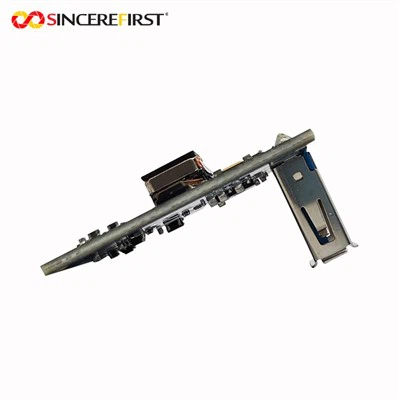
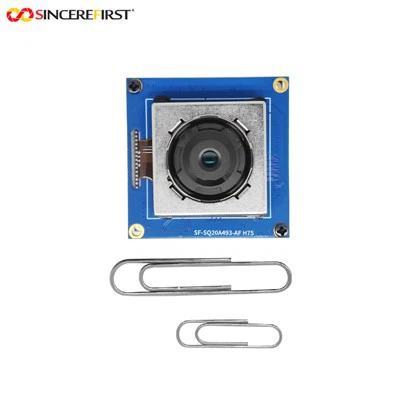
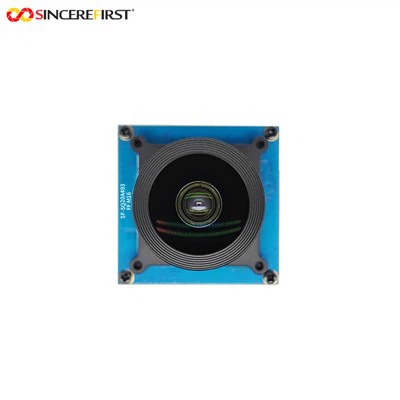


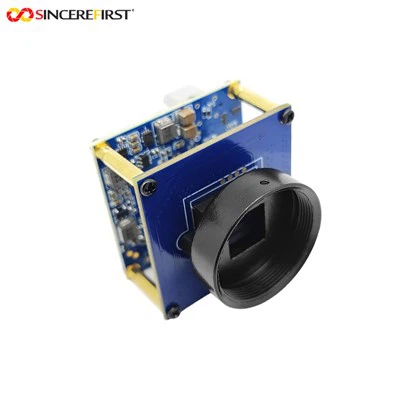
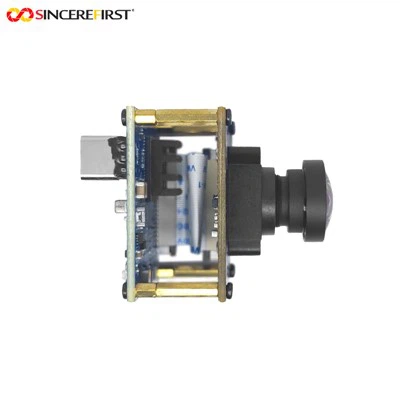

A USB 3.0 camera module is a compact imaging module that connects to a host device through a USB 3.0 interface. It is commonly used in embedded vision systems, industrial devices, medical imaging equipment, AI-enabled hardware, and other OEM projects that require higher image data throughput and practical host integration.
Why Choose a USB 3.0 Camera Module?
USB 3.0 camera modules remain a practical choice for many embedded vision projects because they support higher bandwidth requirements while still offering a familiar integration path for many host systems. For teams moving from evaluation to product development, they can provide a useful balance between data throughput, system compatibility, and design flexibility.
Higher Bandwidth for Image Data Transmission
USB 3.0 is often used when projects require higher image throughput than USB 2.0 can practically support.
01
Practical for High-Resolution and Higher-Frame-Rate Projects
Projects that need more image detail or faster image transfer often begin with USB 3.0 as a practical interface option.
02
Suitable for Embedded and Commercial Host Systems
USB 3.0 is widely used in development, industrial, and commercial systems that need a practical external camera interface.
03
Suitable for Standard and Custom Projects
Teams can start with an existing module and then adjust sensor, lens, board size, cable, connector, or housing configuration for the final product.
04
A Practical Fit for Vision-Driven Devices
USB 3.0 camera modules are often used in industrial imaging, medical equipment, AI devices, robotics, and other OEM systems where data throughput matters.
05
Choose a USB 3.0 Camera Module by Application
Different applications place different demands on the camera module. Start with the use case first, then narrow down resolution, frame-rate expectation, lens, focus type, and host integration requirements.

Industrial Imaging
For industrial image capture and inspection systems, teams often focus on image detail, transfer efficiency, and practical system integration.

Medical Imaging Devices
Medical device projects may require more image clarity, stable transfer performance, and compatibility with the final equipment architecture.

Robotics and Embedded Vision
Robot vision projects often require a balance between image quality, data throughput, system integration, and physical design constraints.

AI and Smart Devices
AI-enabled devices may use USB 3.0 modules when more image data throughput is needed for local or host-side processing.

Document and Object Imaging
Projects in this category may prioritize image detail, framing, and consistent image transfer to the host system.

Evaluation and Development Platforms
USB 3.0 can be a practical choice for teams that need a higher-bandwidth interface during prototyping and product development.
Choose a USB 3.0 Camera Module by Feature
If your project requirements are already clear, you can start by feature set instead of application.
High-Resolution USB 3.0 Camera Modules
Suitable for projects that need more image detail and larger image data output.


Higher-Frame-Rate USB 3.0 Camera Modules
Suitable for projects that need faster image transfer and more responsive image capture.
Low-Light USB 3.0 Camera Modules
Suitable for projects that operate in dim environments or need more stable imaging under limited light.


Autofocus USB 3.0 Camera Modules
Suitable for devices where the object distance changes or where more flexible focus behavior is needed.
Wide-Angle USB 3.0 Camera Modules
Suitable for projects that need a broader field of view in embedded or industrial systems.


Compact USB 3.0 Camera Modules
Suitable for products with tighter mechanical space or more limited internal design conditions.
USB 3.0 Camera Modules vs USB 2.0 Camera Modules vs MIPI Camera Modules
The right choice depends on your bandwidth requirements, device architecture, project stage, and integration goals.
When USB 3.0 Camera Modules Make Sense
USB 3.0 camera modules are often a practical choice when your project requires higher data throughput while still benefiting from a familiar external camera interface.
When to Consider USB 2.0 Camera Modules
USB 2.0 camera modules may be more suitable when your project prioritizes simpler integration and does not require as much image data throughput.
When to Consider MIPI Camera Modules
MIPI camera modules may be more suitable for tightly integrated embedded systems where board-level architecture and power efficiency are primary considerations.
If you are still deciding, tell us your host platform, target resolution, data throughput expectations, and whether your project is in evaluation, pilot, or mass-production planning.
Custom USB 3.0 Camera Module Options
If a standard module does not fully match your design, we can support customization based on your product requirements.
Sensor Selection
Choose the sensor that matches your image quality, sensitivity, frame-rate goals, and project requirements.
Lens and Field of View:
Adjust the optical setup based on working distance, viewing angle, and scene requirements.
Focus Type
Select autofocus or fixed focus depending on how the device will be used.
Board Size and Mechanical Layout
Adapt the module to your available space and mounting structure.
Cable, Connector, and Output Options
Match the module to the way it will connect inside your system or to the host device.
Image Tuning and Project Optimization
Fine-tune image performance according to the project environment, including lighting conditions and scene requirements where applicable.
Engineering and Manufacturing Support
SincereFirst supports both standard-module selection and custom development projects. We work with OEM and embedded vision teams that need technical communication, sample evaluation, and a practical path to volume supply.
Requirement Review
We review your application, interface, size limits, and image targets.
Module Recommendation or Design Proposal
We recommend a suitable existing module or discuss a custom direction based on your requirements.
Sample Evaluation
You test the sample in your own device or development environment.
Adjustment and Confirmation
If needed, the module configuration is refined before production planning.
Production Support
After technical confirmation, the project can move forward to volume supply planning.
Certifications
RoHS, REACH, ISO, CE, FCC

FAQ
Q: What is a USB 3.0 camera module?
A: A USB 3.0 camera module is a compact imaging module that connects to a host device through a USB 3.0 interface and is commonly used in embedded vision and OEM projects that require higher image data throughput.
Q: When should I choose a USB 3.0 camera module instead of USB 2.0?
A: You should consider a USB 3.0 camera module when your project requires higher bandwidth, higher image data throughput, or support for more demanding image transfer needs.
Q: How is a USB 3.0 camera module different from a MIPI camera module?
A: The main difference depends on system architecture and integration goals. USB 3.0 modules provide a practical external camera interface, while MIPI modules are often used in tightly integrated embedded systems.
Q: Which USB 3.0 camera module is suitable for industrial or AI projects?
A: That depends on your target resolution, image throughput requirement, host platform, and working distance. We can recommend a suitable starting point based on your project details.
Q: Can SincereFirst customize a USB 3.0 camera module for my device?
A: Yes. We can discuss customization based on sensor choice, lens, board size, cable, connector, focus type, and other project-specific requirements.
Q: Can I request a sample before mass production?
A: Yes. Sample evaluation is a practical step for confirming image quality, compatibility, and fit before moving to larger-volume planning.
Q: What information should I provide for a faster recommendation?
A: Please share your application, host platform, interface requirement, target resolution, working distance, lighting condition, and project stage. That helps us recommend a more suitable module faster.
Q: Are you a manufacturer or a trading company?
A: We are a manufacturer with our own production lines and in-house production capabilities. If you are working on an OEM or custom project, our team can support both module selection and technical communication during evaluation and production planning.
Whether you need a standard module for evaluation or a custom design for an OEM product, our team can help you narrow down the right direction based on your application and integration requirements.