


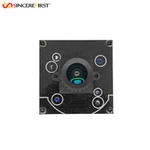
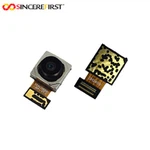
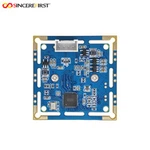
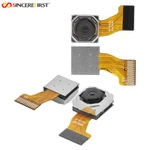
Endoscope Camera Module
Your Professional Camera Module Manufacturer
Guangzhou Sincere Information Technology Ltd. is a professional and high-tech leading company in integrated optical device manufacturer and optical imaging system solution provider since 1992's foundation. We specialize in the production of various camera modules to help you create highly customized camera module solutions, including 0.1mp to 200mp MIPI camera modules and USB camera modules as well as endoscope camera modules with a diameter of 0.9mm~10mm.
Quality Assurance
All our camera modules must be inspected by professional QC, and the products are inspected in strict accordance with national standards before shipment. And the entire process is strictly implemented in accordance with the ISO9001 quality system.
01
Advanced Equipment
Professional AA (Active Alignment) equipment manufacturing, COB 100 level dust-free workshop.
02
Professional Technical Team
We have been manufacturing camera modules for over 30 years. And we have top professional R&D talents, management talents and sales elites with rich experience.
03
Good Service
We provide 1-year replacement and 10-year warranty services. Additionally, we can provide training on how to use the camera module.
04
Reasonable Price
We offer competitive price to achieve win-win.
05






Wide Range Of Applications
Specializing in machine vision, we provide cutting-edge camera modules that support a wide range of applications in various industries, meeting the needs of everything from agriculture to healthcare, industrial automation to retail, SINCEREFIRST is the trusted partner that fuels these applications with unparalleled machine vision excellence.
Automotive and Aerospace
Industrial Inspections
Medical Endoscopy
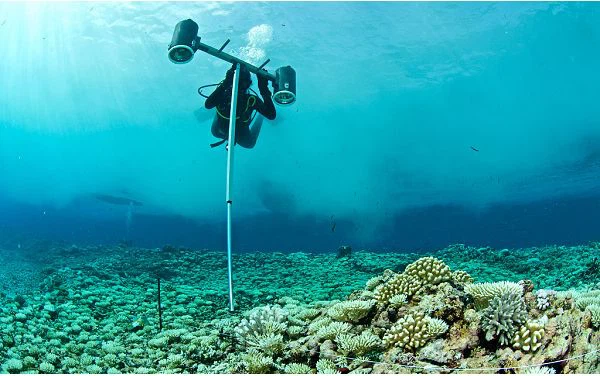
Scientific Research
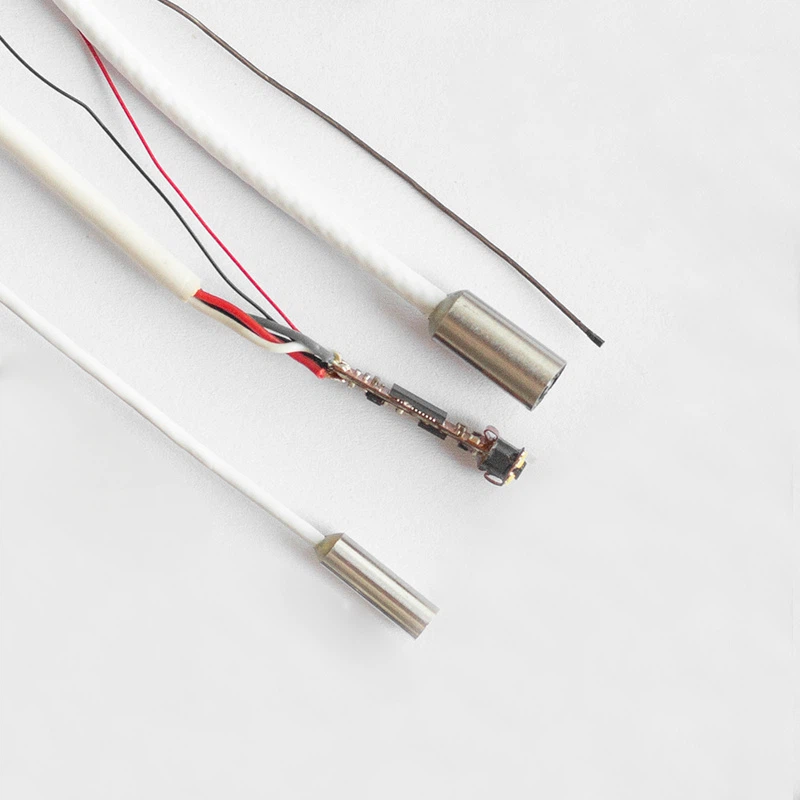
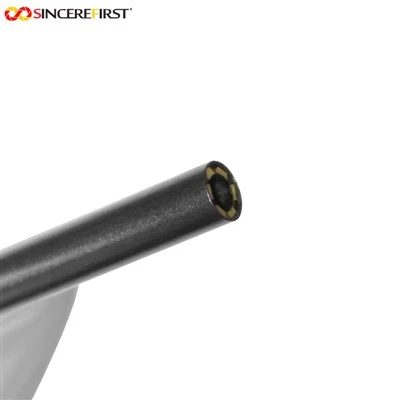
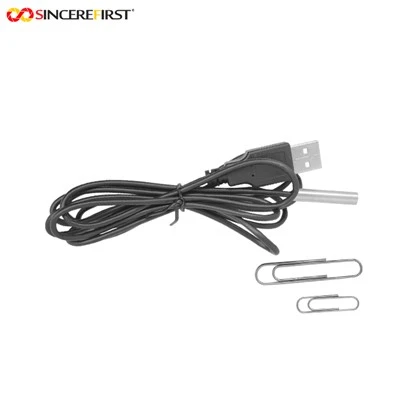
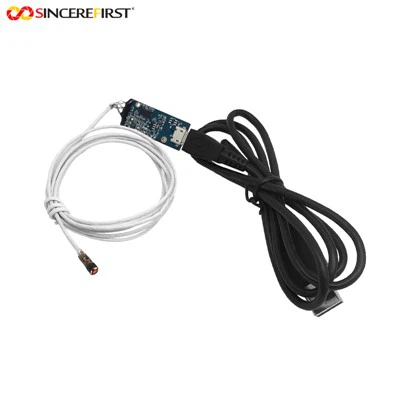
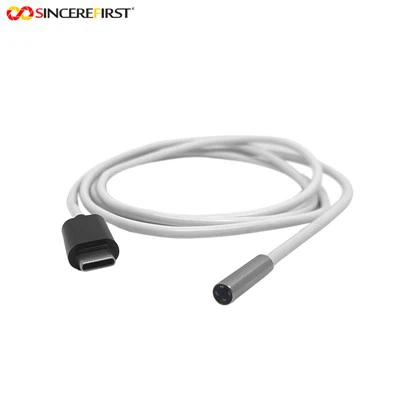
An endoscope camera module is a device that is used for visual inspection and medical procedures. It is an essential tool for doctors, engineers, and technicians that require precision and accuracy in their work. The module is equipped with a small camera that can capture high-resolution images or videos, which can be transmitted to a monitor for a clear view.
The endoscope camera module comprises a flexible cable that enables the camera to reach the desired area of examination. It also comes with a powerful light source that illuminates the subject for better visibility. The module is versatile and can be used in various applications such as exploring, diagnosing, and treating diseases.
In the medical field, endoscope camera modules are used for diagnostics and minimally invasive surgeries. The module allows doctors to visualize areas of the body that would otherwise be inaccessible without invasive procedures. The endoscope camera module can help identify problems and provide accurate diagnoses.
In the engineering field, the endoscope camera module is used for inspection and maintenance of machinery. It allows technicians to examine the condition of components that are difficult to reach without dismantling the machinery.
Advantages Of Endoscope Camera Module
Minimally Invasive Procedures
Endoscope camera modules allow doctors to perform minimally invasive procedures.
Instead of large incisions, tiny openings are made, reducing patient trauma and recovery time.
High-Quality Imaging
These modules provide high-resolution images of internal organs and tissues.
Precise visualization aids in accurate diagnosis and treatment planning.
Sterility and Safety
Endoscope modules are designed for single-use applications.
This ensures sterility and minimizes the risk of infections.
Compact Size
The small form factor allows insertion into tight spaces within the body.
It enables exploration of areas that would be inaccessible with traditional tools.
Digital Output
Endoscope modules deliver fully digital image data.
This facilitates seamless integration with other medical equipment and systems.
Versatility
These modules are used in various medical fields: gastroenterology, urology, gynecology, etc.
They adapt to different endoscopic procedures.
Improved Patient Experience
Reduced pain, shorter hospital stays, and faster recovery benefit patients.
Endoscopy with camera modules enhances overall patient care.
Reliable and durable
Very suitable for use in various harsh environments. They are typically designed to withstand shock, vibration, and other types of wear and tear.
Types of Endoscope Camera Module
Rigid Endoscope Camera Module
A rigid endoscope camera module consists of a long, thin tube that is inserted into the target area. The tube is equipped with a lens on one end and a light source on the other. The images captured by the lens are transmitted back to a monitor or display unit, allowing the operator to see inside the target area.
Flexible Endoscope Camera Module
A flexible endoscope camera module consists of a long, thin tube that can be guided through the body's natural pathways and cavities. These modules are commonly used in medical procedures such as colonoscopies, bronchoscopies, and laparoscopies. The flexibility of the tube allows it to navigate through the body's twists and turns, providing a clear view of the internal organs.
Capsule Endoscope Camera Module
A capsule endoscope camera module is a small, pill-shaped device that is swallowed by the patient. The device contains a tiny camera that captures images as it travels through the digestive tract. The images are transmitted wirelessly to a receiver worn by the patient.
Industrial Endoscope Camera Module
An industrial endoscope camera module is designed for use in manufacturing and industrial settings. These modules are used to inspect machinery, equipment, and infrastructure for damage and defects. The modules are typically equipped with high-powered lights and can be mounted on robotic arms for precise positioning.
Application of Endoscope Camera Module
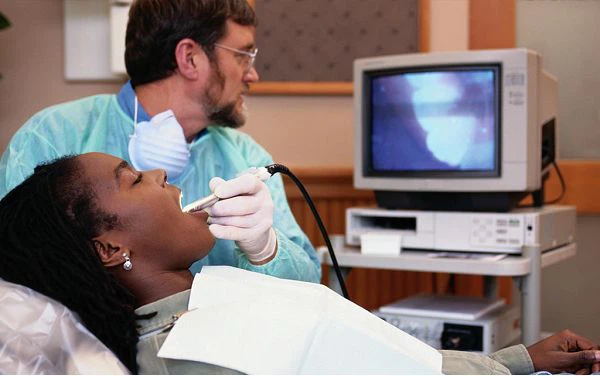
Medical Endoscopy
Gastroenterology: Used for examining the digestive tract, including the esophagus, stomach, and intestines.
Urology: Visualizing the urinary tract, bladder, and kidneys.
Bronchoscopy: Exploring the airways and lungs.
Laparoscopy: Minimally invasive surgery within the abdominal cavity.
Arthroscopy: Diagnosing and treating joint conditions.
ENT (Ear, Nose, and Throat): Examining the ears, nose, and throat.
Gynecology: Assessing the female reproductive system.
Cardiology: Cardiac endoscopy for heart procedures.
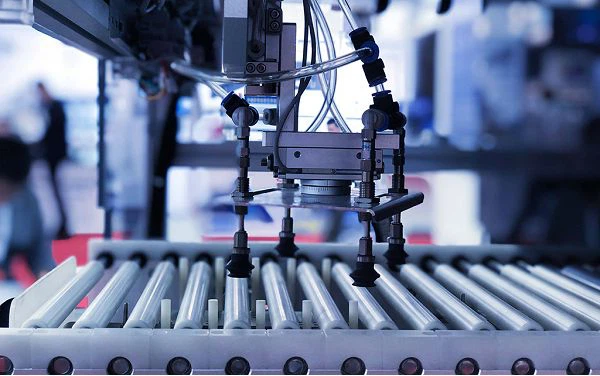
Industrial Inspections
Borescopes: Used in aviation, automotive, and manufacturing industries to inspect engines, pipes, and machinery.
Pipe Inspections: Assessing pipelines, sewers, and underground structures.
Weld Inspections: Ensuring weld quality in construction and manufacturing.
Scientific Research
Microscopy: Endoscope modules aid in microscopic studies.
Laboratory Experiments: Visualizing internal structures in controlled environments.
Security and Surveillance
Security Cameras: Miniature endoscope modules can be discreetly placed for surveillance.
Search and Rescue: Used in confined spaces or disaster scenarios.
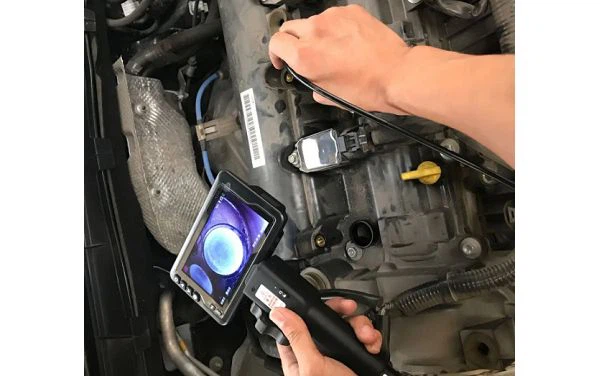
Automotive and Aerospace
Engine Inspections: Assessing internal components without disassembly.
Aircraft Maintenance: Checking hard-to-reach areas.
Consumer Electronics
Smartphones: Front-facing and rear-facing cameras.
Webcams: Used for video conferencing and streaming.
Tablets and Laptops: Built-in cameras for photography and video calls.
Process of Endoscope Camera Module
The first step in the process of creating an endoscope camera module is designing the optical system. The lens system must be carefully crafted to provide clear and accurate images of the target area. The optical system must also be capable of withstanding high temperatures and sterilization procedures.
After the optical system has been designed, the next step is integrating the image sensor. The endoscope camera module’s image sensor must be highly sensitive to light, providing high image quality in low light conditions. The sensor must also be capable of processing colors accurately, making it easier to see detail in the target area.
Next, the camera module is assembled and tested. The endoscope camera module is tested for durability, functionality and accuracy. The device must be able to withstand the stresses of medical procedures and must provide clear, accurate images.
Finally, the endoscope camera module is sterilized and delivered to hospitals and other medical facilities. The device is carefully packaged and transported to ensure that it arrives in perfect working condition.
Components of Endoscope Camera Module
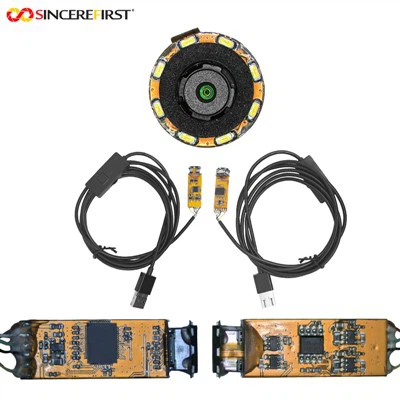
Endoscope camera modules are essential devices used in various medical and industrial procedures. These sophisticated tools make it possible to capture high-quality images and videos of previously inaccessible areas. They are made up of several components that work together to deliver excellent results.
The first component of an endoscope camera module is the camera chip. This is the most critical piece of the module, and it is responsible for capturing the images and videos. The camera chip is typically small and lightweight, and it is of high resolution.
The second component is the lens assembly. The lens assembly serves as the eye of the camera module, and it focuses the light coming from the object being viewed onto the camera chip. The lens assembly is usually made up of several lenses, each performing a specific function.
The third component is the illumination system. This system is responsible for illuminating the object being viewed, and it ensures that the camera chip can capture clear and high-quality images and videos. The illumination system consists of light-emitting diodes (LEDs) or fiber-optic cables.
The fourth component is the flexible or rigid shaft. This component provides access to the area being viewed, and it is usually long and thin to enable it to reach deep into the area being examined. The shaft may be coated with a flexible material to enable it to bend and move around tight corners.
The fifth component is the control system. This system comprises buttons or knobs that enable the user to adjust the camera's focus, zoom level, and lighting. It also includes an interface for transmitting data from the camera module to the monitor or storage device.
How To Cooperate With Us?
Demand Analysis
Communicate requirements with customers
Design Scheme
Design solutions that meet customer needs
Establish Cooperation
Provide camera module drawings and establish cooperation
Make Samples
Camera module proofing according to the design plan
Camera Module Test
Send out samples, and customers will test
Mass Production
After the samples pass the customer's test, mass production begins
Certifications
RoHS, REACH, ISO, CE, FCC

CE

FCC

ISO 9001

REACH

RoHS
FAQ
Q: What is an endoscope camera used for?
Q: What is the difference between a borescope and an endoscope camera?
Q: How does an endoscope device work?
Q: What does an endoscopy camera look like?
Q: What cancers can endoscopy detect?
Q: What organs can a doctor see during endoscopy?
Q: Will an endoscopy show liver problems?
Q: Can endoscopy see pancreas and liver?
Q: Can an endoscopy detect bowel problems?
Q: What is a capsule endoscopy test for?