


Differences Between ONVIF IP Camera Module and Ordinary Camera Module?

The fundamental difference between an ONVIF IP camera module and an ordinary camera module lies in standardization and interoperability. The ONVIF module adheres to a global, open protocol, allowing it to integrate seamlessly into complex security systems and work with devices from different brands. The ordinary module typically relies on the manufacturer's proprietary protocol and is focused on performing basic video capture as a standalone component.
Detailed Comparison Table:
|
Comparison Dimension |
ONVIF IP Camera Modulee |
Ordinary Camera Module |
|
Protocol Compatibility |
Built-in ONVIF standard protocol stack, supporting core ONVIF specifications |
No unified open protocol, only supporting manufacturer-specific private protocols or basic interfaces |
|
Cross-Manufacturer Connection |
Seamlessly compatible with all ONVIF-compliant devices (video recorders, management software, etc.) |
Only usable with devices of the same brand or specified compatible models |
|
Core Functions |
In addition to image capture, supports system-level functions such as video streaming, PTZ control, event notification, and remote configuration |
Focuses on basic image/video capture; some support simple storage or local preview, without system-level control functions |
|
Application Scenarios |
Security monitoring systems, smart home linkage, industrial surveillance, cross-brand device integration projects |
Standalone local monitoring, simple video capture devices (e.g., small surveillance cameras, toy devices), single-brand closed-loop products |
|
System Construction Cost |
Slightly higher initial module cost, but no reliance on specific brands, reducing equipment selection and replacement costs |
Lower unit price of modules, but system expansion is limited by brands, resulting in high replacement or upgrade costs |
|
Configuration & Management |
Supports automatic device discovery, unified remote configuration, and centralized management via ONVIF management platforms |
Requires manual local configuration or manufacturer-specific software, no unified management portal, and cumbersome multi-device control |
|
Upgrade & Maintenance |
Standardized protocols, strong upgrade compatibility, and low maintenance costs |
Relies on manufacturer technical support, varying maintenance methods across brands, and high compatibility risks |
Key Takeaways
The core value of ONVIF IP camera modules lies in standardization-driven open ecosystem-they are not merely video transmitters but a complete device management framework. While ordinary modules may be cheaper, they create system silos and increase long-term operational costs. In professional surveillance scenarios requiring multi-vendor flexibility and scalability, ONVIF has become the de facto industry standard.
What are the Advantages of ONVIF IP Camera Module?
Core Conclusion: The core advantages of the ONVIF IP Camera Module focus on three key dimensions: cross-manufacturer compatibility, functional standardization, and cost controllability, perfectly addressing the pain points of ordinary camera modules in system integration, expansion, and maintenance.
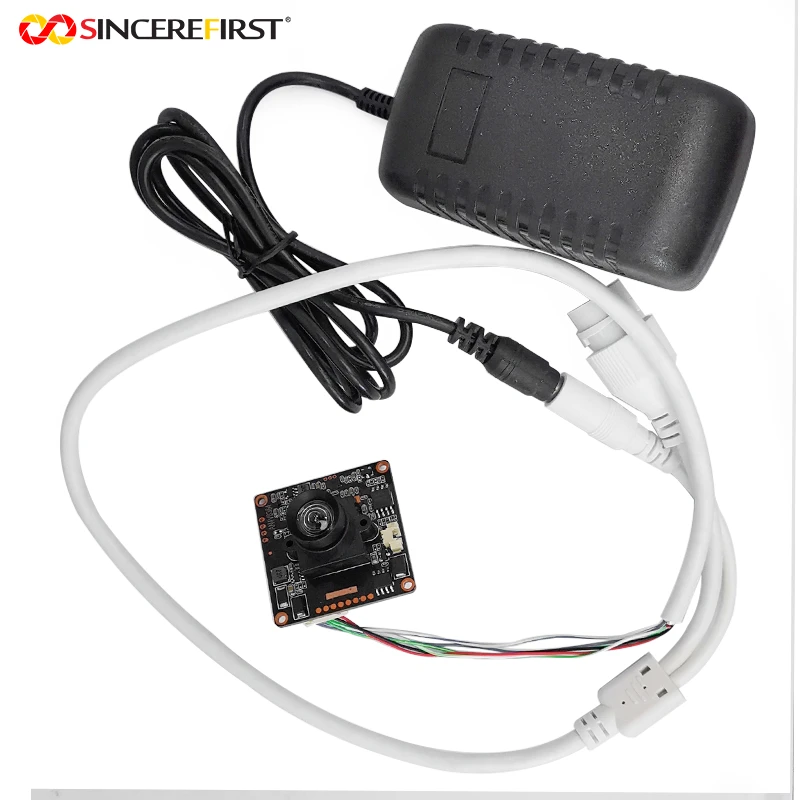
Seamless cross-manufacturer interoperability:Built-in ONVIF standard protocol stack, enabling direct connection with all ONVIF-compliant devices worldwide (video recorders, management software, access control systems, etc.). It eliminates the need to adapt to private protocols of different manufacturers and completely breaks the limitation of single-brand binding.
Standardized and comprehensive functions:In addition to basic image/video capture, it uniformly supports system-level functions such as video streaming transmission, PTZ control, event notification, remote parameter configuration, and video recording management, without the need for additional development of adaptive modules.
Lower system construction and expansion costs:Although the initial module procurement cost is slightly higher, device selection is not restricted by brands, allowing flexible choice of cost-effective products. During later system upgrades and device replacements, there is no need to restructure the overall architecture, significantly reducing iteration costs.
More convenient configuration and management:Supports automatic device discovery and unified remote configuration. It can realize centralized management of multiple devices through ONVIF-compatible management platforms, reducing manual operations and on-site maintenance workload.
Wider scenario adaptability:The standardized protocol and functional design enable it to seamlessly adapt to multiple scenarios such as security monitoring, smart home linkage, industrial surveillance, and traffic monitoring, without the need for separate customization for different scenarios.
Easier upgrade and maintenance:Unified protocol specifications reduce compatibility risks during product upgrades. The maintenance process is standardized, and there is no reliance on technical support from a single manufacturer, lowering late-stage operation and maintenance costs and risks.