Chromatic aberration is a well-known optical phenomenon that can significantly impact the image quality of camera modules, including those using USB 2.0 interfaces. As a USB 2.0 camera module supplier, understanding chromatic aberration and its implications is crucial for both our product development and client satisfaction.
Understanding Chromatic Aberration
Chromatic aberration, also known as color fringing or dispersion, occurs because different wavelengths of light (colors) refract at different angles when passing through a lens. This means that instead of converging at a single point on the image sensor, the various colors are focused at different distances. When this happens, the image appears blurred, and color fringes are visible along the edges of objects, particularly high-contrast areas.
There are two main types of chromatic aberration: axial (longitudinal) and lateral (transverse). Axial chromatic aberration causes different colors to be focused at different points along the optical axis of the lens. This results in a color blur in the out - of - focus areas of the image. For example, when taking a photo of a distant object, the red, green, and blue components may be slightly out of alignment, making the image appear less sharp.
Lateral chromatic aberration, on the other hand, occurs when different colors are displaced sideways relative to each other. This is often observed as colored fringes along the edges of objects in the image and is more noticeable towards the edges of the frame.
Chromatic Aberration in USB 2.0 Camera Modules
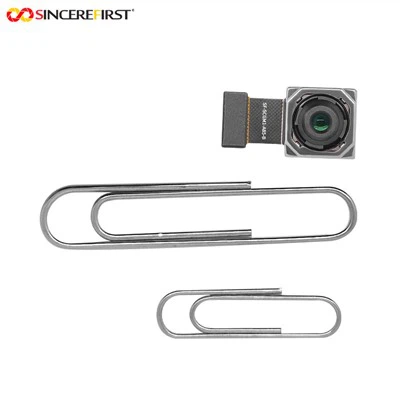
In the context of USB 2.0 camera modules, chromatic aberration can have a substantial impact on the overall performance and usability of the product. USB 2.0 camera modules are widely used in various applications, such as video conferencing, surveillance, and industrial inspection. In these scenarios, clear and accurate image representation is essential.
For video conferencing, chromatic aberration can make participants' faces appear distorted or have color fringes around the edges, which can be distracting and unprofessional. In surveillance, it can reduce the clarity of important details, such as license plate numbers or facial features, making it difficult to identify suspects. In industrial inspection, chromatic aberration can lead to incorrect measurements and misinterpretation of product defects.
The design and quality of the lens used in a USB 2.0 camera module play a significant role in determining the level of chromatic aberration. Cheaper lenses with lower optical quality are more likely to exhibit higher levels of chromatic aberration. Additionally, the camera module's sensor characteristics, such as its pixel size and sensitivity to different wavelengths of light, can also influence how chromatic aberration is manifested in the final image.
Mitigating Chromatic Aberration in Our USB 2.0 Camera Modules
As a USB 2.0 camera module supplier, we take several steps to minimize chromatic aberration in our products. One of the primary methods is using high - quality lenses with low dispersion glass. Special types of glass, such as extra - low dispersion (ED) or fluorite glass, have the property of reducing the difference in refractive indices between different wavelengths of light. This helps to bring the various colors closer to a single focal point, thereby reducing chromatic aberration.
We also use advanced lens design techniques, such as multi - element lens configurations. By combining different types of lenses with different optical characteristics, we can correct for chromatic aberration across a wider range of wavelengths. For example, a doublet or triplet lens design can effectively cancel out the chromatic effects introduced by individual lenses.


In addition to lens design, we implement image processing algorithms in our camera modules. These algorithms can detect and correct for chromatic aberration after the image is captured. By analyzing the color distribution and edge information in the image, the software can adjust the color and position of pixels to remove the color fringes and improve the overall sharpness of the image.
Our Product Portfolio
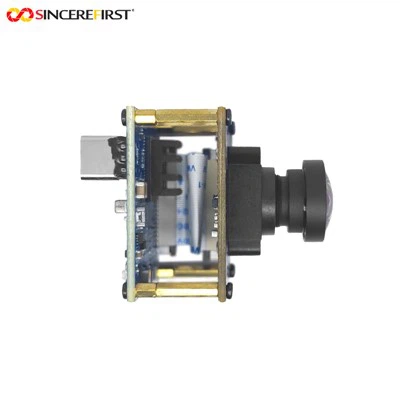
We offer a wide range of USB 2.0 camera modules that are designed to provide high - quality images with minimal chromatic aberration. For instance, our Digital Camera Module Board With WIFI is equipped with a high - quality lens and advanced image processing capabilities. It is suitable for applications where wireless connectivity and clear imaging are essential, such as home security systems and remote monitoring.
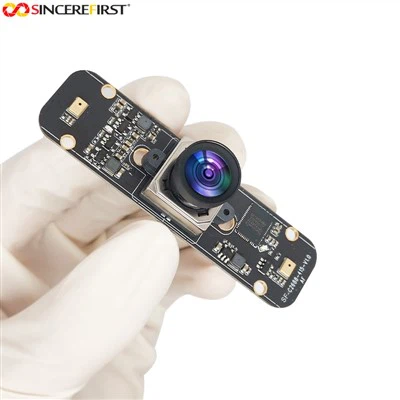
Our 2MP OG02B10 Global Shutter Usb Camera Module Android 10 11 is another excellent product. The global shutter sensor in this module allows for the simultaneous capture of all pixels, reducing motion artifacts and providing sharp images even in fast - moving scenes. The lens is carefully selected to minimize chromatic aberration, making it ideal for industrial inspection and robotics applications.
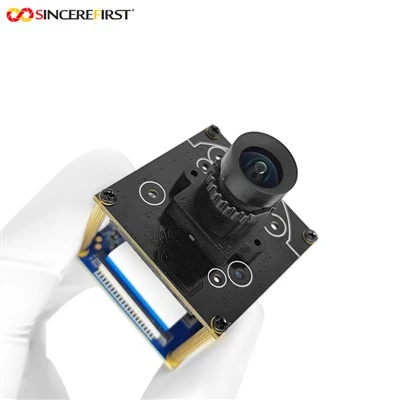
The 5MP Sensor OV5640 Fixed Focus USB Camera Module For Kiosk is designed specifically for kiosk applications. With its fixed - focus lens and high - resolution sensor, it can provide clear and detailed images. Our engineering team has optimized the lens design to ensure that chromatic aberration is kept to a minimum, enabling accurate user identification and interaction.
Importance of Chromatic Aberration Control in Business
In the business world, providing camera modules with low chromatic aberration is not just about technical excellence; it's about meeting the needs of our customers. Our clients rely on our products to perform critical tasks, and any compromise in image quality can lead to significant losses. For example, in the security industry, a surveillance camera with high chromatic aberration may fail to capture accurate evidence, which can have legal and financial implications.
By offering camera modules with excellent chromatic aberration control, we can differentiate ourselves from competitors. Customers are more likely to choose our products because they know they can trust the image quality. This helps us to build long - term relationships with clients and gain a competitive edge in the market.
Future Developments
As technology continues to evolve, we are constantly exploring new ways to further reduce chromatic aberration in our USB 2.0 camera modules. We are researching the use of new materials for lenses, such as nanocomposite materials, which have the potential to offer even better optical properties than traditional glass. Additionally, we are working on improving our image processing algorithms to be more accurate and efficient in correcting chromatic aberration.
We are also keeping an eye on emerging trends in the market, such as the increasing demand for high - resolution and low - cost camera modules. By balancing these requirements with chromatic aberration control, we aim to continue providing our customers with the best possible products.
Contact for Purchase Discussion
We understand that each customer has unique requirements for their camera module applications. If you are interested in our USB 2.0 camera modules and would like to discuss your specific needs, please feel free to reach out to us. Our dedicated sales team is ready to assist you in finding the right product for your project. We can provide detailed product information, technical support, and pricing quotes.
Let's work together to ensure that your imaging applications are equipped with the highest - quality USB 2.0 camera modules with minimal chromatic aberration.
References
- Smith, J. (2019). Introduction to Optical Aberrations. Optics Press.
- Johnson, A. (2020). Camera Module Design and Optimization. Camera Technology Journal.
- Brown, C. (2021). Image Processing for Chromatic Aberration Correction. Digital Imaging Research.