


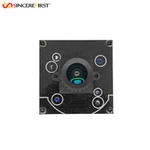
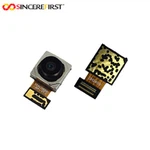
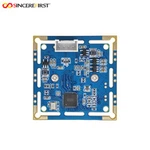
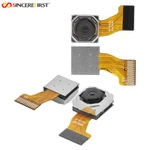


2MP IMX462 Color Ultra Low Light STARVIS Camera Module
Guangzhou Sincere Information Technology Ltd. is one of the most professional 2mp imx462 color ultra low light starvis camera module manufacturers and suppliers in China. Welcome to wholesale discount products for sale here from our factory. Customized orders are welcome.
This camera is based on SONY IMX462 STARVIS ultra low light cmos image sensor imaging camera module, the sensor has very high performance, can get better image quality in low light environment. The camera is equipped with 47° lens. Manual focus camera allows you to use it in macro shooting, low light conditions, etc. Widely used in machine vision, video surveillance, 3D scanning, etc.

Features:
•CMOS active pixel type dots
•Built-in timing adjustment circuit,H/ driver and serial communication circuit
•Input frequency: 74.25 MHz /37.125 MHz
•Number of recommended recording pixels: 1920(H) x 1080 (V) approx.2.07M pixel
•Readout mode
All-pixel scan mode
720p-HD readout mode
Window cropping mode
Vertical / Horizontal direction-normal / inverted readout mode
•Readout rate
Maximum frame rate in Full HD 1080p mode:120 frame /s
•High dynamic range(HDR) function
Multiple exposure HDR
Digital overlap HDR
•Variable-speed shutter function(resolution1Hunits)
•10-bit /12-bit A/D converter
•Conversion gain switching(HCG Mode /LCG Mode)
•CDS/PGA function
0 dB to 29.4 dB: Analog Gain 29.4 dB (step pitch 0.3 dB)
29.7 dB to 71.4 dB: Analog Gain 29.4 dB+Digital Gain 0.3 to 42 dB (step pitch 0.3 dB)
•Supports I/O switching
Low voltage LVDS(150 m Vp-p) serial (2 ch / 4 ch / 8 ch switching) DDR output
CSI-2 serial data output (2 Lane /4 Lane,RAW10/RAW12 output)
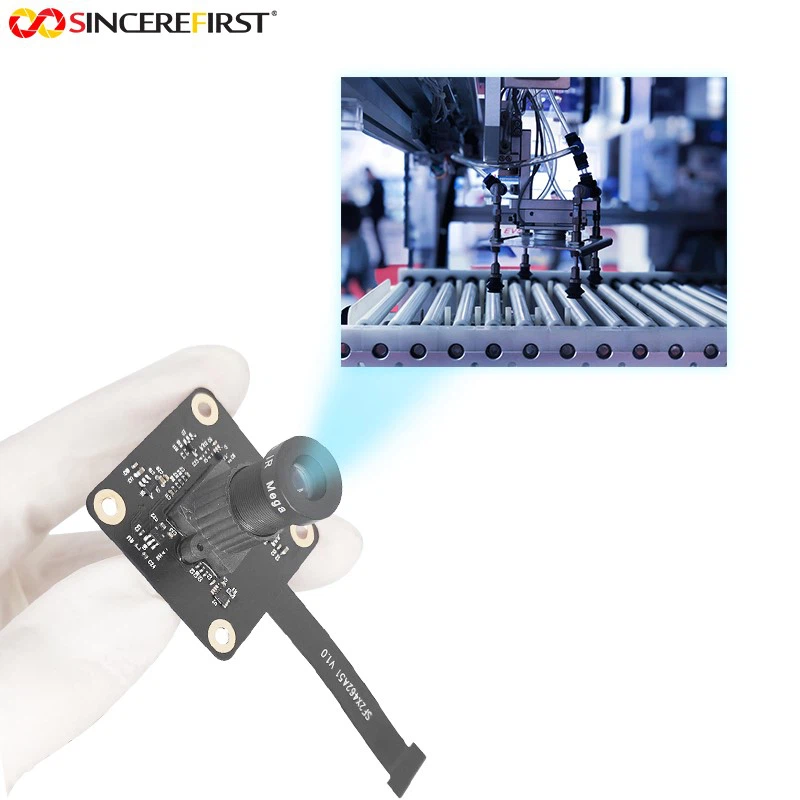


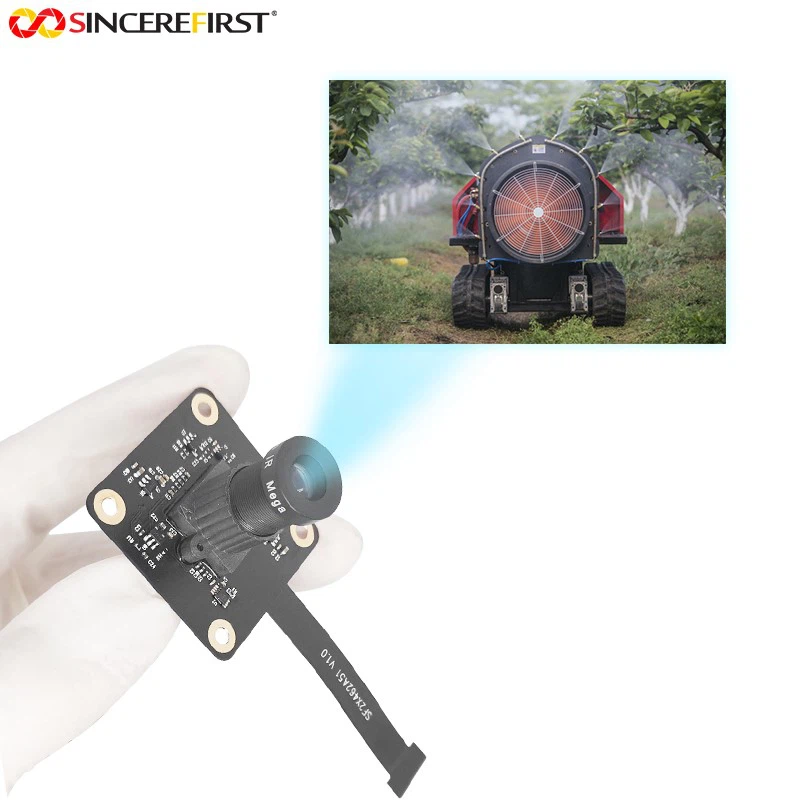

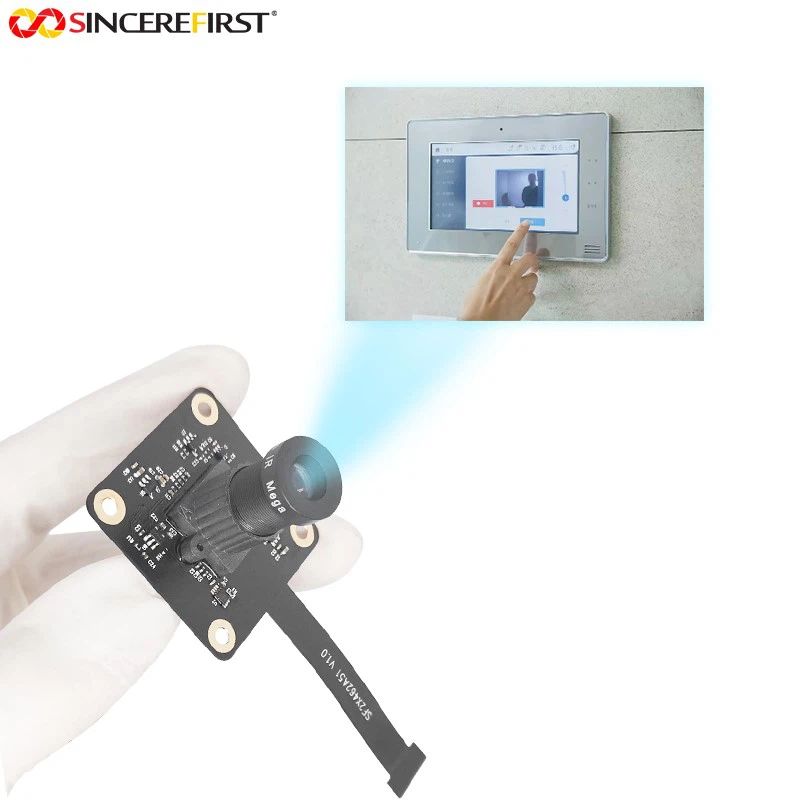
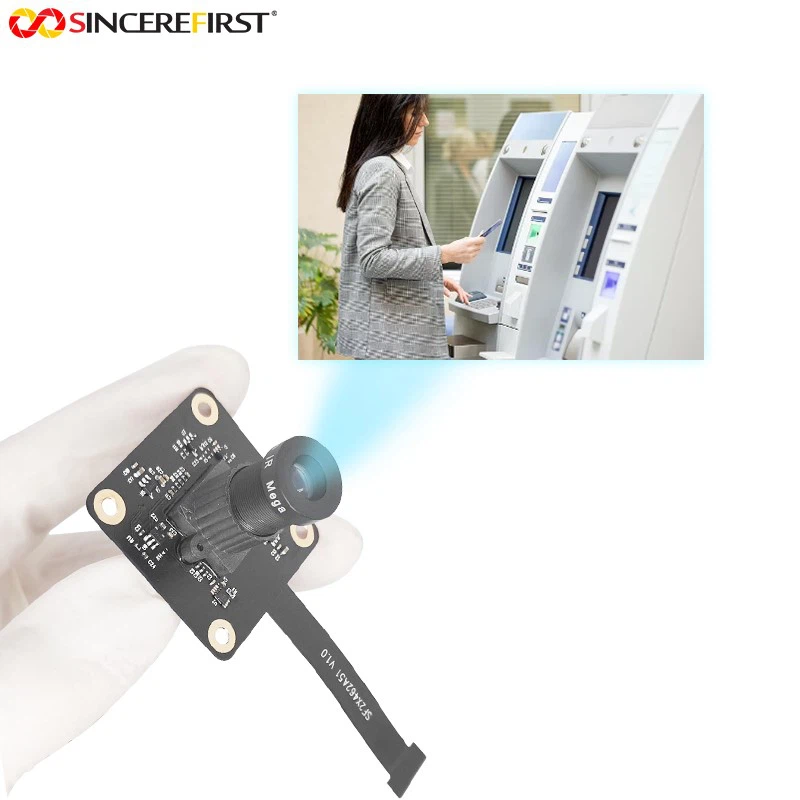
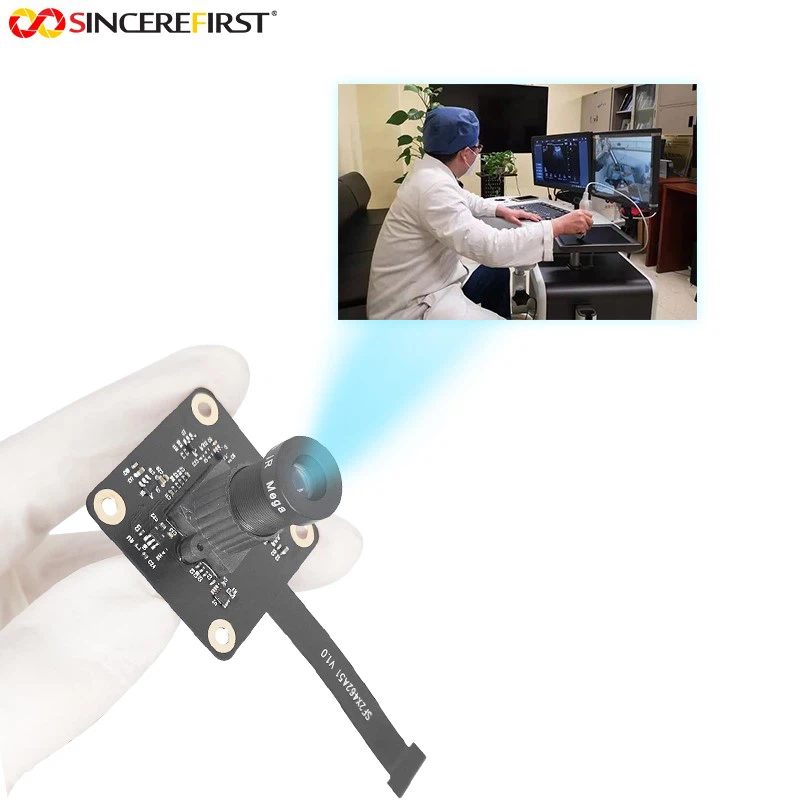
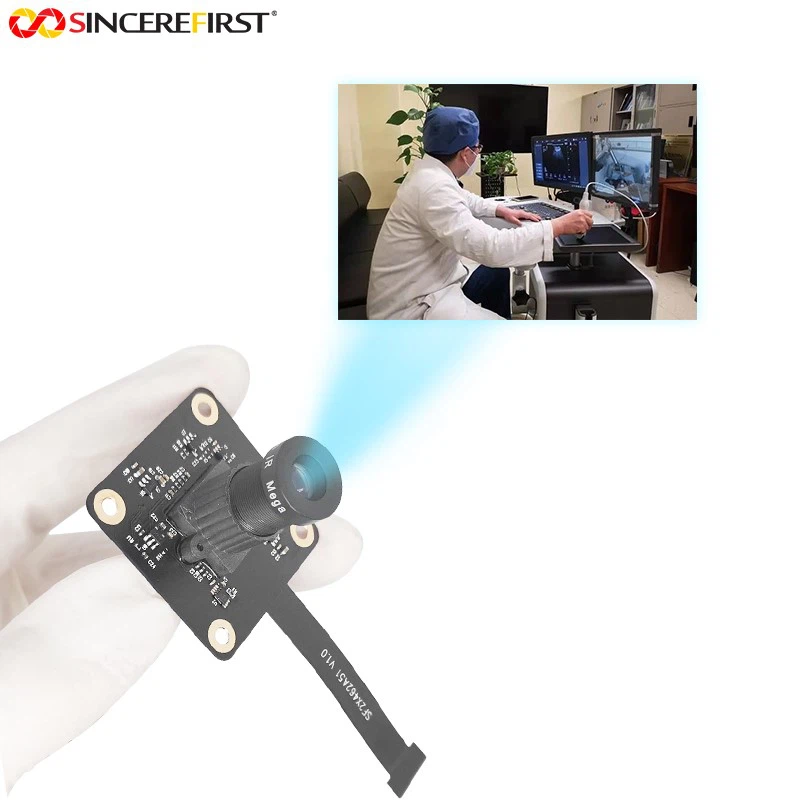
Application of Camera Module:
•Home Security
•Surveillance Cameras
•FA cameras
•Industrial/Agricultural cameras
•Robots
•Document Scanner
Product Details:
|
Sensor Type |
IMX462 |
|
Pixels |
2 Megapixels |
|
View Angle |
D47°*H38°*V22° |
|
F.NO |
2 |
|
Lens Type |
1/2.8" |
|
Focusing Range |
470cm |
|
Distortion |
<-3% |
|
EFL |
8mm |
|
Output Format |
10-bit/12-It RGB RAW |
|
Keywords |
Sony Camera Module, Sony IMX CMOS Sensor |
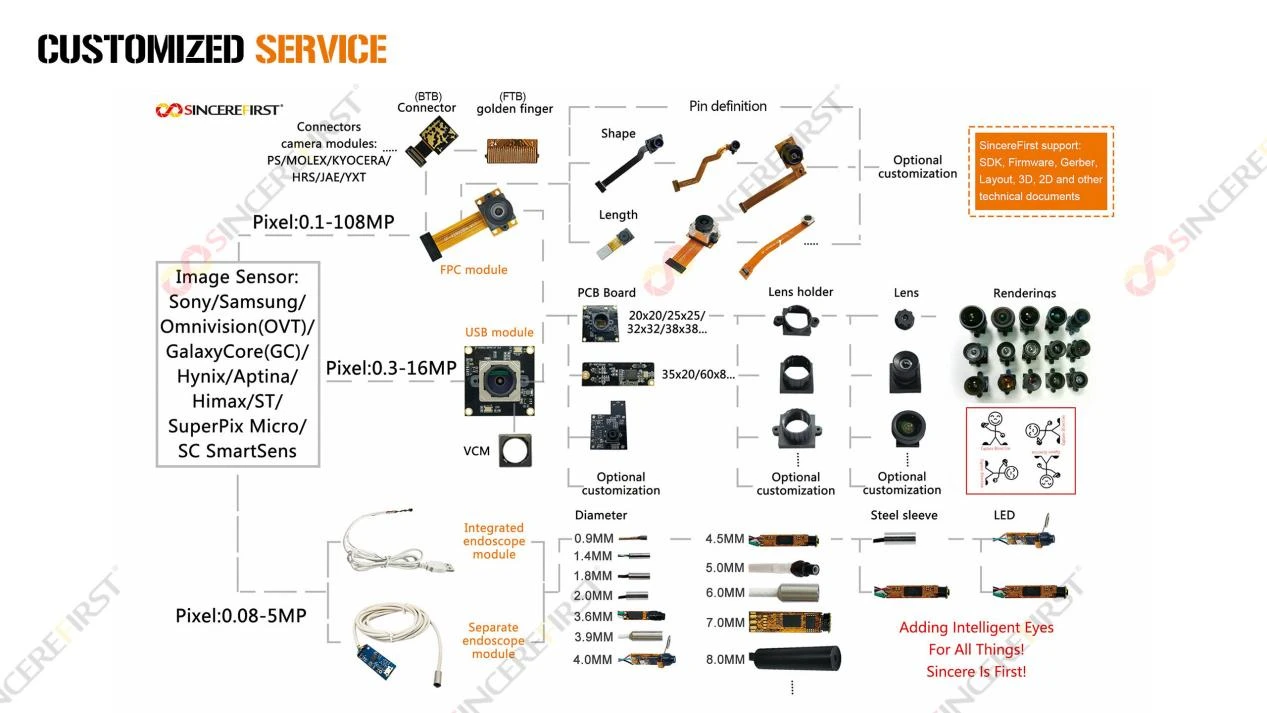
SINCEREFIRST camera module manufacturing enterprise integrates design, development, manufacturing and sales. We can supply ready made 0.3mp to 108mp FPC & USB camera module and diameter 0.9mm~8.0mm endoscope camera module. Our products are widely used in various fields, such as AIoT equipment, smart home, smart medical, intelligent transportation, automatic driving, intelligent security, Intelligent warehousing, scanning, robot, UAV, medical endoscope, industrial endoscope, computer, intelligent terminals etc.
If you are looking for camera module or camera sensor manufacturers and suppliers, please feel free to contact us for camera module price and more detailed introduction. SINCEREFIRST is a leading high-tech company specializing in integrated optical device manufacturers and optical imaging system solution providers. There are different types of camera modules and camera sensors for sale, and they also support customization to meet all your needs and solve your problems.


FAQ
Q: How Much Camera Module?
Q: How to design camera module?
Step 1. Define Specifications: Before designing a camera module, specifications such as resolution, frame rate, lens type, sensor technology, and image processing capabilities must be defined. These specifications will help developers understand the requirements of the camera module.
Step 2. Research and Select Components: After defining the specifications, the next step is to research and select suitable components such as image sensors, lens modules, connectors, and driver ICs. Component selection should meet both technical and economic requirements and ensure compatibility with other parts.
Step 3. Mechanical Design: The mechanical design of a camera module should consider both functional and aesthetic requirements. It needs to conform to specific form factors and withstand environmental factors such as temperature, humidity, and shock.
Step 4. PCB Design: Selecting the right printed circuit board (PCB) is critical for camera module design. The design of the PCB should accommodate the components and ensure proper signal routing.
Step 5. Software and Firmware Design: Software and firmware design is a critical aspect of a camera module. It enables communication between the camera module and the device it is used in. Software and firmware designs should be optimized for low latency, high speed, and power efficiency.
Step 6. Test and Validate: Once the camera module design is complete, it needs to be thoroughly tested and validated. Testing should include functional testing, environmental testing, and reliability testing to ensure it meets specifications.
In summary, designing a camera module requires a multidisciplinary approach involving mechanical, electrical, software, and firmware engineering. The process is exciting and challenging, but a well-designed camera module will provide excellent image quality, high speed, and reliability.
Q: What is camera module?
Q: What can I do with a camera module?
- Capture stunning photos and videos.
- Experiment with different angles, lighting, and compositions.
2. Security and Surveillance
- Set up a home security system.
- Monitor your property remotely.
3. Live Streaming and Vlogging
- Share your experiences in real-time.
- Connect with your audience through live streams.
4. Computer Vision Projects
- Build object detection, face recognition, or motion tracking applications.
- Explore machine learning and AI.
5. Time-Lapse Photography
- Create mesmerizing time-lapse videos.
- Document gradual changes over time.
6. Wildlife Observation
- Observe animals without disturbing them.
- Set up a wildlife camera trap.
7. Astrophotography
- Capture celestial events, stars, and planets.
- Explore the night sky.
8.DIY Projects
- Integrate the camera module into robots, drones, or interactive installations.
- Let your creativity flow!
Q: How does CMOS work in a camera?
- A CMOS sensor consists of millions of tiny pixels arranged in a grid.
- Each pixel acts as an individual photosite, capturing light.
2. Photodiode Conversion
- When light enters a pixel, it hits a light-sensitive semiconductor diode (photodiode).
- The photodiode converts light into an electrical current proportional to the detected light intensity.
3. On-Pixel Amplification
- The signal is amplified directly on the pixel.
- An analog-to-digital converter (ADC) then converts the analog signal into digital format.
4. Image Processing
- The image processor reads these digital signals collectively.
- Each pixel's value corresponds to the light intensity it received.
5. Color Filter Array
- Pixels detect light, not color.
- To create color images, a color filter array (CFA) is added.
- CFAs consist of red, green, and blue filters arranged in a grid.
In summary, CMOS sensors play a crucial role in capturing light and converting it into digital images.
Hot Tags: 2mp imx462 color ultra low light starvis camera module, China 2mp imx462 color ultra low light starvis camera module suppliers, factory, OV5640 FPC Camera Module, MIPI Camera Module, Sony IMX676 Industrial CMOS Camera Module, ear cleaning camera, rugged digital camera, Small Camera Sensor
You Might Also Like



Send Inquiry