


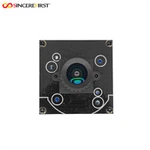
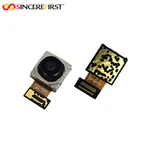
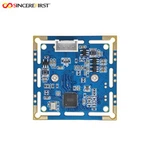
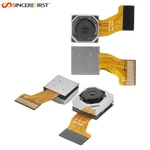


HDR Mono CMOS Sensor OG0TC1B MIPI Camera Module For Low-Light Imaging
Guangzhou Sincere Information Technology Ltd. is one of the most professional hdr mono cmos sensor og0tc1b mipi camera module for low-light imaging manufacturers and suppliers in China. Welcome to wholesale discount products for sale here from our factory. Customized orders are welcome.
HDR capture is the defining addition in this monochrome camera module. When the observed area contains both strong illumination and shadow, HDR helps preserve brightness information that matters to the image-processing task. Global shutter exposure also supports the capture of moving subjects without row-by-row geometric distortion.
The OG0TC1B module delivers 0.16MP, 400x400 images at 30fps through MIPI, with 8-bit / 10-bit RAW output. NIR-enhanced sensitivity supports near-infrared imaging arrangements, and the 114° diagonal lens covers a broad area from a close viewing position.
This combination is relevant to eye and face image acquisition in wearables and embedded devices observing subjects under changing illumination. The low-power sensor and FPC assembly support the device design around those imaging needs.

Features

• HDR Capture for Bright and Shaded Areas
HDR support helps retain image information across differing scene brightness. It is a meaningful choice when important parts of the subject appear in both illuminated and shaded regions.
• Global Shutter for Moving-Subject Capture
Global exposure reduces geometric distortion associated with row-by-row exposure. It complements the module's brightness-related capability when the device also observes movement.
• NIR-Enhanced Monochrome Imaging
Black-and-white capture provides brightness and structural information for the host. NIR-enhanced sensitivity supports projects that use near-infrared illumination to observe the subject.
• A Wide View from a Close Camera Position
The D114°*H88°*V88° lens helps cover an eye, facial area or interaction zone from a compact viewing position. The optics determine how much of that area appears in the image.
• Low-Power Sensor and Flexible Placement
The low-power sensor architecture suits power-conscious vision designs. The approximately 6.5 × 6.5mm camera end and 50mm FPC help position the lens around the product's internal structure.
Application of MIPI Camera Module
• Wearable Eye and Face Image Acquisition
Inward-facing cameras can encounter uneven illumination across an eye or facial area. HDR capture, monochrome imaging and global exposure provide image input for the wearable's host processing.
• Gesture Observation under Changing Light
An embedded interaction device can observe a moving hand or object as scene brightness changes. HDR addresses differences in brightness, while global exposure helps retain the subject's geometry.
• Close Observation of Mixed-Brightness Surfaces
A camera module looking into a small scene may see illuminated and shaded regions together. HDR capture supports the collection of useful scene information for the device's observation task.


Product Details
|
Product Name |
HDR Mono Global Shutter MIPI Camera Module |
|
Sensor |
OmniVision OG0TC1B CMOS Sensor |
|
Pixel |
0.16MP |
|
Resolution |
400x400 |
|
Frame Rate |
400x400@30FPS |
|
Sensor Size |
1/15 Inch |
|
Feature |
HDR; Monochrome; NIR-Enhanced Sensitivity |
|
Output Format |
8-bit / 10-bit RAW |
|
Focusing Range |
15cm ~ Infinity |
|
EFL |
0.47mm |
|
F.NO |
2.4 ±5% |
|
FOV |
D114°*H88°*V88° |
|
Focus Type |
Fixed Focus |
|
Interface |
24Pin Gold Fingers MIPI Interface |
Customization Options
Optical configuration
Select the lens, field of view and working distance around the subject area and the detail to be captured.
Filters
Match filter selection to the illumination arrangement, including visible-light or NIR imaging requirements.
FPC layout and connectors
Adapt length, shape and connection details to the product's internal camera position.
Mechanical placement
Match mounting details to the viewing direction and available structure.
Platform support
Provide firmware, driver and supported interface/output configuration services according to the host platform.
Certification and lifecycle services
SincereFirst supports project certification requirements, production supply coordination and warranty service for the agreed configuration.

FAQ
Q: When should HDR take priority over a non-HDR configuration?
A: Give HDR priority when differences between bright and dark regions hide information that the system needs to observe. For example, an illuminated part of a facial area and a nearby shadow may need to remain useful in the same scene. A more evenly lit task may place greater emphasis on other selection factors.
Q: How should HDR and controlled illumination be used together?
A: Controlled illumination makes the observation conditions more predictable. HDR helps address remaining brightness differences across the scene; the lens, illumination direction and exposure still need to suit the subject being observed.
Discuss Your HDR Camera Module Requirements
SincereFirst can help develop the optical configuration, FPC arrangement and platform support around your monochrome imaging task. Bring the scene's brightness conditions into the discussion so the camera module solution follows the information your product needs to capture.
Hot Tags: hdr mono cmos sensor og0tc1b mipi camera module for low-light imaging, China hdr mono cmos sensor og0tc1b mipi camera module for low-light imaging suppliers, factory
You Might Also Like



Send Inquiry