


Introduction
For medical device OEMs, diagnostic equipment developers and portable imaging teams, camera module selection should start from the visual task, not from a catalogue model number. In non-diagnostic visual devices, portable medical imaging hardware, inspection tools and embedded medical equipment that require a customized camera module, the camera module is only useful when it helps the device capture the right image at the right distance, within the right mechanical space, and with an output format the host system can actually process. A higher resolution, a wider lens or a faster interface may look attractive on paper, but none of them automatically makes the device work better if the real imaging requirement is not defined first. SincereFirst supplies USB, MIPI/FPC, endoscope and IP camera module platforms for embedded vision and OEM device development. The practical value for buyers is not only the catalogue range, but the ability to evaluate sensor, lens, FOV, focus, interface, cable, connector, housing and sample-to-production requirements together.
Start with the visual task
The first question is simple: what does the device need to see? In this application, the core task is to integrate a compact imaging module that provides stable image output, suitable focus, controlled lighting and a structure that fits the device design. That means the module should be evaluated by the useful image area, target size, working distance, lens angle, focus range, lighting condition and expected software workflow. A camera module for a fixed terminal, for example, can often use a different lens and focus design from a handheld inspection tool or a moving robotic device. If the visual task is described clearly, the supplier can narrow the selection much faster and avoid recommending a module that only matches the pixel requirement but not the device requirement.
Key selection factors
Several factors should be checked before choosing a module direction: device structure and available diameter, working distance, illumination design, image detail requirement, cable and sterilization-related mechanical planning and documentation and long-term supply. These factors are connected. When the FOV becomes wider, the device can cover more scene area, but the target occupies fewer pixels. When the resolution increases, the image may contain more detail, but bandwidth, storage, processing and lens requirements also increase. When the working distance becomes shorter, focus range and lighting reflection become more important. When the target moves, shutter type, exposure time and frame rate must be considered together. A good selection process treats the camera module as part of the whole device, not as an isolated electronic part.
Recommended camera module direction
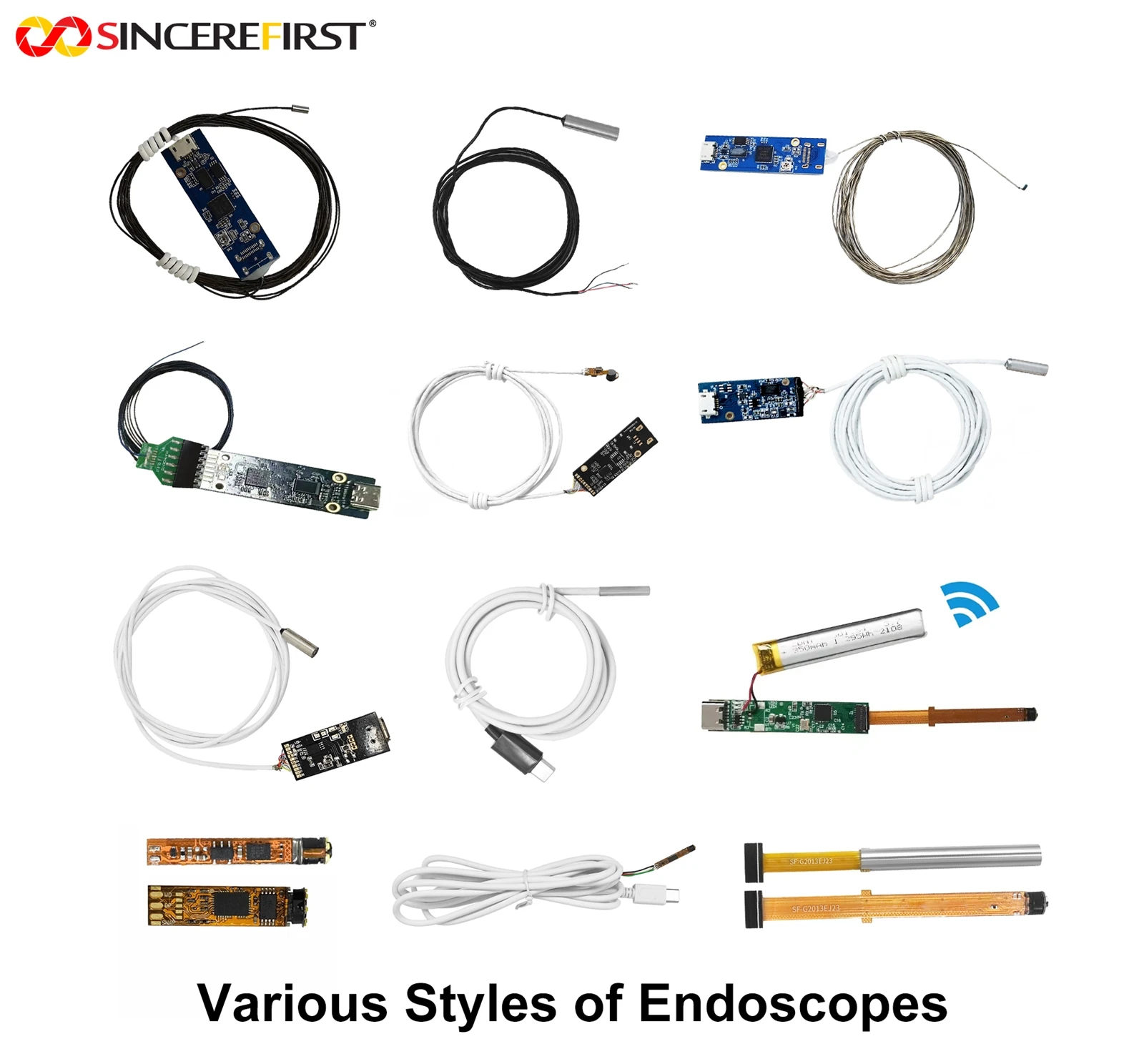
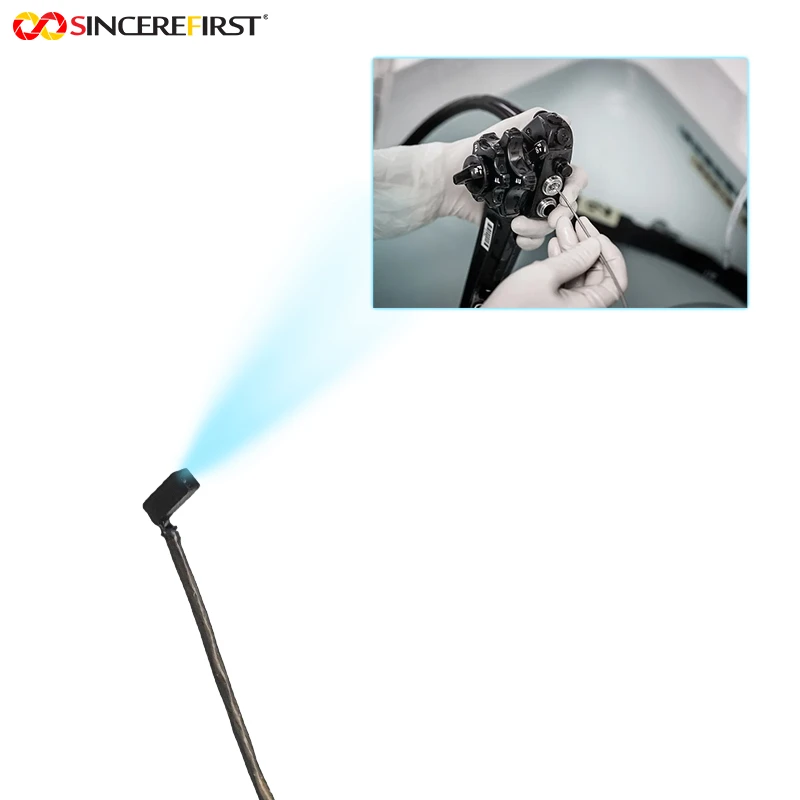
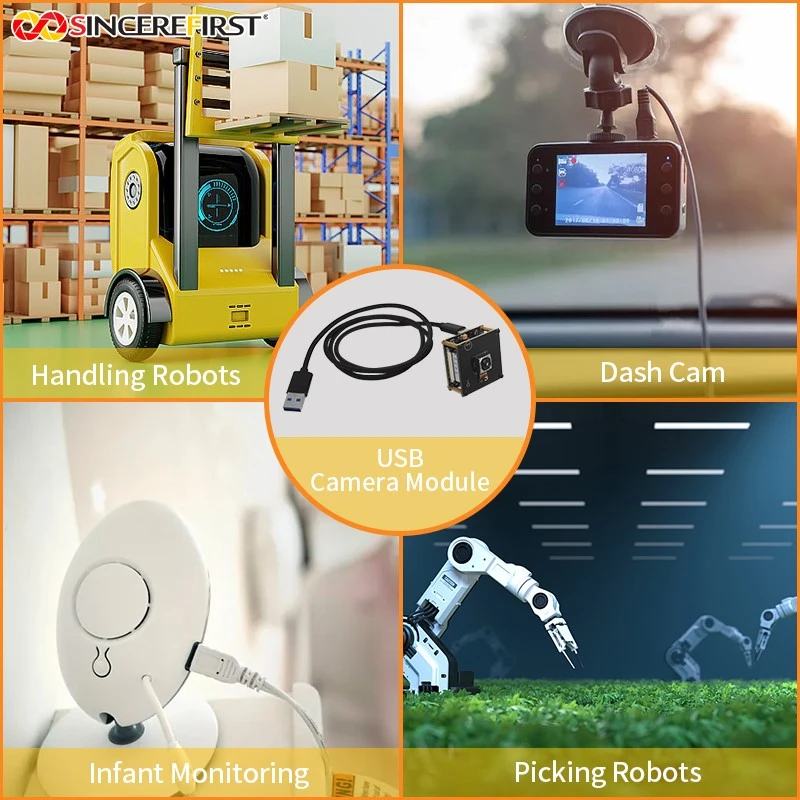
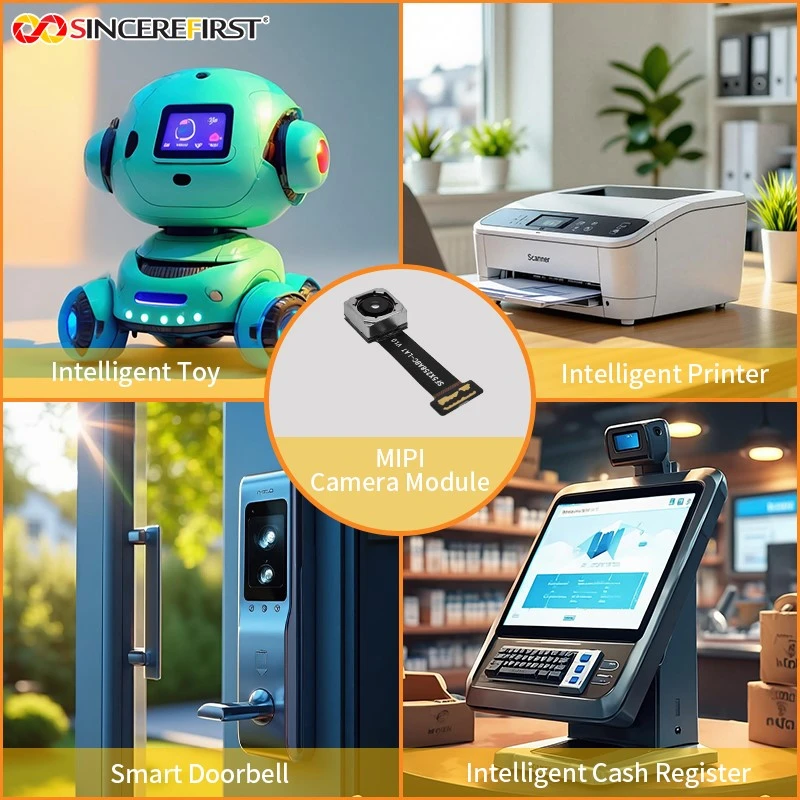
For this type of project, the practical module direction is usually USB, MIPI/FPC or endoscope camera modules, selected by diameter, interface, lens material, LED, cable, focus range and customization feasibility. USB camera modules are often easier for fast evaluation and host-side software access. MIPI or FPC camera modules are useful when the final device needs a compact structure and direct embedded platform integration. IP or multi-interface modules may be more suitable when network video, compression or remote viewing is part of the product architecture. Endoscope-style modules become relevant when diameter, LED, steel shell, IP protection or long cable routing defines the product. The correct direction depends on how the camera will be mounted and how the image will be used.
Applications where this direction fits
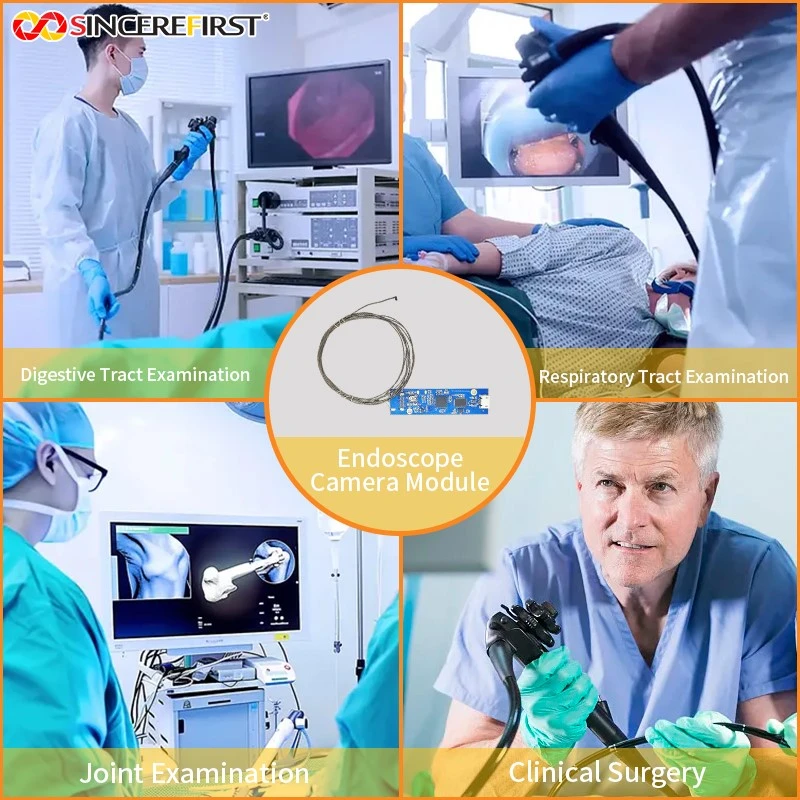
Typical use cases include portable inspection devices, dental imaging tools, veterinary imaging devices, endoscope systems and medical training or observation equipment. These applications may appear different, but they share the same decision logic: the camera must match the target, the environment, the host system and the mechanical design. If the device is used in a controlled indoor environment, lighting and focus can be fixed more easily. If it is used outdoors or in a narrow cavity, environmental protection, cable design and illumination become more important. If software recognition is involved, the image must provide consistent input for the algorithm, not only a visually attractive picture for manual viewing.
OEM customization points
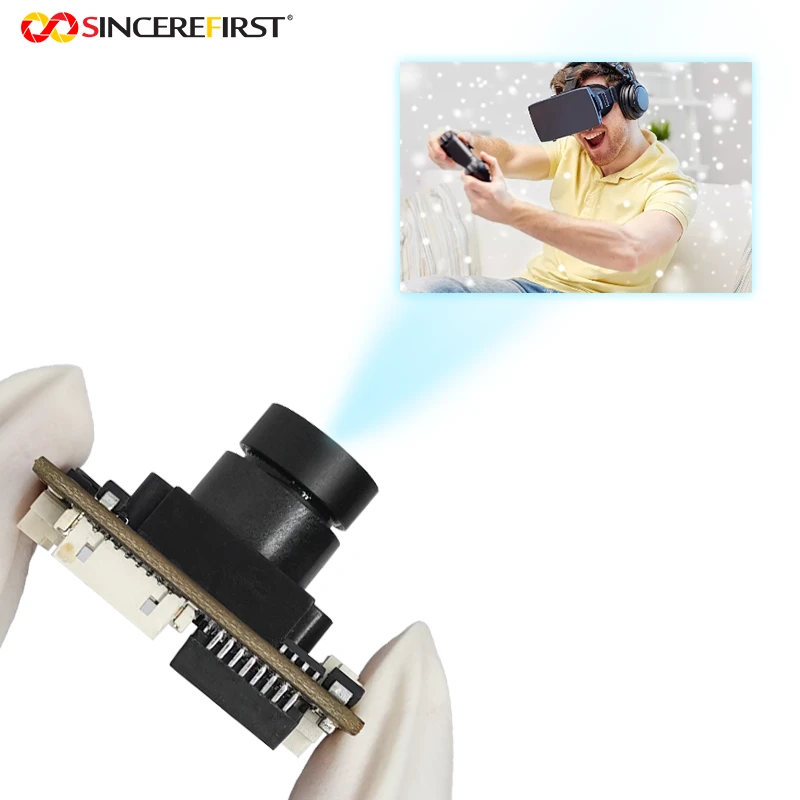
Most OEM projects should confirm whether a standard module is enough or whether customization is needed. Possible customization points include sensor platform, lens FOV, focus distance, FPC length, PCB shape, connector type, cable route, LED design, microphone option, shell or housing, IR-CUT structure and output interface. Customization should not be treated as decoration. It should solve a real device constraint: limited space, fixed working distance, unusual mounting angle, special illumination, longer cable path, different connector, or a production requirement that a standard board cannot meet.
Common mistakes to avoid
The most common mistakes are: treating medical imaging as only a resolution question; ignoring focus and lighting at close range; choosing a module before confirming mechanical path; making claims before confirming regulatory requirements. These mistakes usually happen when the selection starts from one attractive specification instead of the full application. A device team may ask for the highest resolution, but the target still appears too small because the FOV is too wide. Another team may request high frame rate, but the exposure time is too short for the lighting condition. A purchasing team may compare prices without knowing whether the module has the correct connector or focus range. These are not small details; they can decide whether the sample test succeeds or fails.
What to send before sample recommendation
Before requesting samples, the customer should send the supplier the following information: application type, diameter or space limit, working distance, lighting requirement, interface and sample and validation plan. If possible, also provide a product drawing, camera position, example target image, expected production quantity and test criteria. This allows the supplier to recommend a module direction instead of guessing. It also helps avoid repeated sample changes caused by missing information. For OEM projects, a complete requirement description is often more valuable than a long list of preferred model numbers.
Conclusion
Choosing camera modules for medical imaging devices is not about finding the most impressive specification. It is about matching the camera module to the device task, mechanical structure, host interface, optical requirement and production plan. For OEM teams, the best next step is to define the target, working distance, FOV, output requirement and customization constraints before sample selection. With that information, SincereFirst can help compare suitable USB, MIPI/FPC, endoscope or IP camera module directions and support the project from evaluation to production.
FAQ
1. How do I know whether this application needs a USB, MIPI/FPC, endoscope or IP camera module?
Start from the device architecture. USB is often easier for host integration and fast testing. MIPI/FPC is common for compact embedded devices. Endoscope modules are used when diameter, LED, steel shell or cable design is critical. IP modules are useful when network video or compression is required.
2. Is higher resolution always better for this type of project?
No. Higher resolution is useful only when the lens, working distance, FOV, bandwidth and host processing can support the extra image data. In many projects, lens selection, focus and lighting have more influence on useful image quality than pixel count alone.
3. What information should be confirmed before ordering samples?
At minimum, confirm application type, diameter or space limit, working distance, lighting requirement. For OEM work, mechanical drawings, target images and host platform details are also very helpful.
4. Can the camera module be customized for a specific device structure?
In many OEM projects, customization can include lens, FOV, focus range, PCB or FPC design, connector, cable length, LED, housing or output interface. The exact customization depends on the module platform and project requirements.
5. Why should the supplier know the application before recommending a module?
The same resolution can be used in very different devices. Without application details, the supplier cannot judge FOV, focus, cable, interface, illumination or mechanical fit accurately.


