


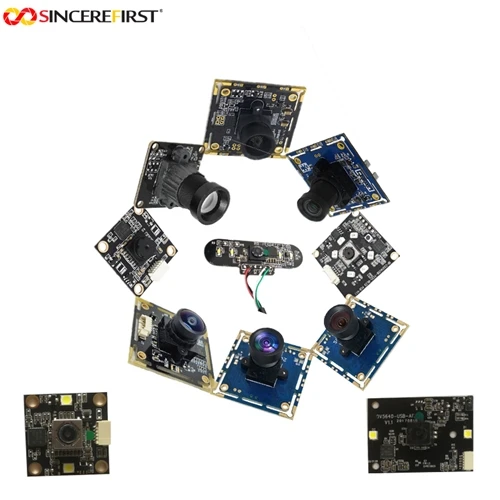
What Does Your Drone Need to See?
The camera requirement changes with the task. An inspection drone may need to distinguish a surface feature at close range. A navigation camera may need consistent edges and textures across consecutive images. A landing camera may need to keep a target recognizable during descent.
These tasks require useful image information under the intended flight conditions. Resolution alone cannot establish whether the camera will provide it.
The starting point is therefore the target, working distance, lighting and aircraft movement-not simply a request for a higher-resolution drone camera.
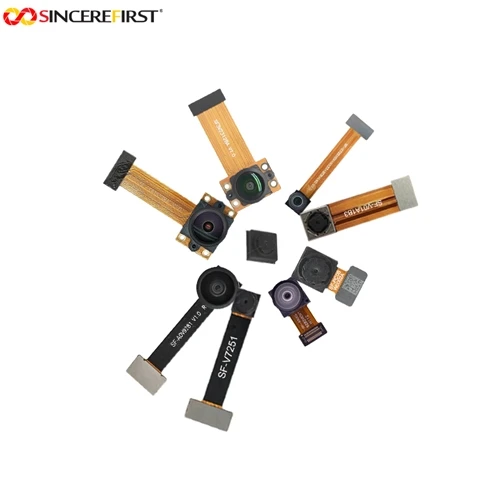
Why Evaluate IMX568 for a Monochrome Drone Camera?
Monochrome Imaging for an NIR-Based Vision Design
Where the application uses brightness, shape or texture rather than color, a monochrome camera can be a relevant choice.
For a drone using near-infrared illumination, the IMX568 monochrome version is worth evaluating as part of the complete optical setup. The lens must transmit the selected wavelength, and the filter configuration must allow the required light to reach the sensor.
The practical question is whether the setup produces enough target detail at the intended distance and exposure time. Sensor response alone does not establish operating range or performance in darkness.

Global Shutter for Images Captured During Movement
IMX568 uses global shutter technology. By exposing the image across the frame simultaneously, it avoids the line-by-line exposure timing associated with rolling-shutter geometric distortion.
This is relevant when the drone moves past structures, changes direction or captures features used for image matching. Preserving scene geometry can help provide more consistent input for vision processing.
Global shutter does not remove motion blur caused by a long exposure. Flight speed, vibration, lens choice and available illumination still need to be considered.
MIPI CSI-2 for Onboard Processing
The IMX568-AAMJ monochrome sensor provides approximately 5.1 megapixels and supports MIPI CSI-2 output. This makes a MIPI camera-module design a relevant direction for compatible onboard processing platforms.
The customer benefit is an interface path toward embedded image acquisition and analysis. It does not establish compatibility with every drone computer.
Confirm the host processor, supported camera lanes, data formats, driver requirements and camera-to-processor connection before defining the module.
Where Could This Camera Direction Be Evaluated?
Low-Light Inspection Near Structures
For inspection in shaded areas or installations with limited visible illumination, evaluate whether an NIR-assisted setup reveals the required surface features.
Define the smallest feature that must be visible and the working distance first. Those requirements guide the lens, illumination and exposure selection. NIR images may show different material contrast from visible-light images, so representative targets should be tested.
Visual Navigation and Feature Tracking
When software compares scene features between frames, aircraft movement can make image consistency important.
A global shutter monochrome camera is a candidate for evaluating edges and textures during movement. Navigation performance still depends on scene content, timing, calibration and the algorithm; the camera is one part of that system.
Landing-Target Observation
A downward-facing camera may need to keep a landing target recognizable as distance and aircraft attitude change.
Evaluate target size in the image, viewing angle, exposure and illumination coverage throughout the descent. If NIR lighting is planned, verify that both the target and the complete camera setup provide usable contrast.
What Should Buyers Consider Before Choosing Monochrome?
This direction is most relevant when:
The application can work with monochrome image data.
Scene geometry matters during aircraft movement.
NIR illumination or ambient NIR is part of the imaging plan.
The onboard platform supports the required MIPI camera configuration.
If the task depends on color identification, a monochrome camera may need to be paired with a separate color imaging path. Payload weight, power, heat and lens size must also fit the aircraft.
FAQ
Can an NIR Camera See in Complete Darkness?
It needs usable light in its response range. Active illumination may be required, depending on the scene.
Is Near-Infrared Imaging the Same as Thermal Imaging?
No. This camera direction captures reflected light; it is not a thermal camera for temperature imaging.
Will Global Shutter Guarantee Sharp Flight Images?
No. Exposure, movement and vibration remain important.
Can the Sensor's Maximum Frame Rate Be Promised for the Module?
No. Module design, output settings and host bandwidth determine the available video modes.
Discuss Your Drone Camera Requirements
Share your drone application, target size, working distance, flight speed, illumination wavelength, host platform and required resolution and frame rate with SincereFirst.
Include payload space, weight and power limits. These details help us discuss an IMX568 monochrome MIPI camera-module configuration and the optical and integration questions your project needs to resolve.


