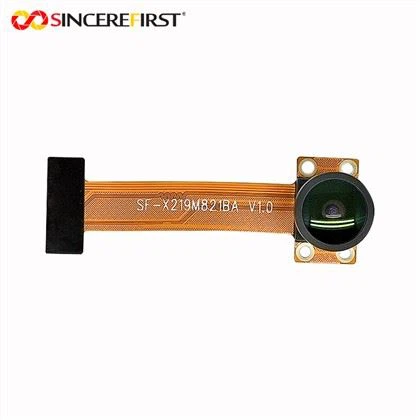
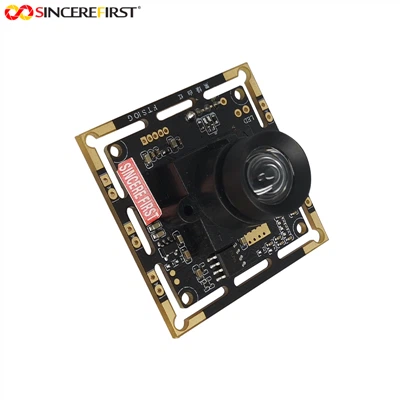
Hey there! As a supplier of CCTV camera modules, I often get asked about the energy efficiency of these little devices. It's a hot topic, and for good reason. In today's world, where everyone's trying to cut down on energy use and be more eco - friendly, knowing whether CCTV camera modules are energy - efficient is crucial.
Let's start by understanding what energy efficiency means in the context of CCTV camera modules. Energy efficiency refers to how well a device uses electrical energy to perform its intended function. In the case of CCTV camera modules, that function is capturing and transmitting video footage. A more energy - efficient module will use less power to do the same job as a less efficient one.
There are several factors that affect the energy efficiency of CCTV camera modules. First off, the image sensor plays a huge role. High - end sensors might offer better image quality, but they can also consume more power. For example, Imx344 Camera Module With Usb Interface uses a top - notch sensor that provides sharp and clear images. However, compared to some basic sensors, it might use a bit more energy. But don't let that scare you. The improved image quality can be a game - changer in many surveillance scenarios.
Another factor is the resolution of the camera. Higher resolution cameras generally require more processing power, which in turn means more energy consumption. If you're using a Imx334 Camera with a high - resolution setting, it will need more juice to capture and process those detailed images. On the flip side, if you can get away with a lower resolution for your surveillance needs, you can save a significant amount of energy.
The type of connection also matters. Camera modules with wired connections like Ethernet are often more energy - efficient than those using Wi - Fi. Wi - Fi modules have to constantly transmit and receive signals wirelessly, which requires additional power. So, if energy efficiency is your top priority, a wired connection might be the way to go.
Now, let's talk about some of the energy - saving features that modern CCTV camera modules come with. Many of our modules, including the Imx290 Camera Module, have built - in motion detection. When there's no movement in the camera's field of view, the module can enter a low - power mode. This way, it only uses full power when there's actually something important to capture. It's like having a guard who takes a nap when there's no action but wakes up instantly when something happens.
Some camera modules also support power - saving schedules. You can set them to turn off or go into a low - power state during certain hours of the day when surveillance isn't needed. For example, if you're using the camera to monitor an office, you can set it to save energy during the night when the office is closed.
In terms of real - world energy consumption, it's hard to give a one - size - fits - all answer. The energy use of a CCTV camera module depends on its configuration, usage patterns, and the environment it's in. However, on average, a basic CCTV camera module might consume around 2 - 5 watts of power, while a high - end, feature - rich module could use up to 10 - 15 watts.


When it comes to comparing our CCTV camera modules with other products on the market, we've done our homework. Our R & D team has worked hard to optimize the energy efficiency of our modules without sacrificing performance. We use advanced power management chips and algorithms to make sure that every watt of power is used as effectively as possible.
So, are CCTV camera modules energy - efficient? Well, it depends. If you choose the right module for your needs, use its energy - saving features, and configure it properly, you can definitely achieve a good balance between energy use and performance.
If you're in the market for CCTV camera modules and want to learn more about our energy - efficient options, we'd love to hear from you. Whether you're setting up a small home surveillance system or a large - scale commercial security network, we have the right solutions for you. Contact us for a detailed consultation and let's discuss how we can meet your specific requirements.
References
- "Energy - Efficient Design of Surveillance Camera Systems" by Smith, J.
- "The Impact of Sensor Technology on CCTV Camera Energy Consumption" by Johnson, A.
- "Power Management in Modern CCTV Camera Modules" by Williams, B.