Can a Fixed Focus Module be used in automotive applications?
In the dynamic landscape of automotive technology, the integration of advanced imaging systems has become a cornerstone for enhancing safety, efficiency, and overall driving experience. As a leading supplier of Fixed Focus Modules, I am often asked about the feasibility and benefits of using these modules in automotive applications. In this blog, we will explore the potential of Fixed Focus Modules in the automotive industry, examining their advantages, limitations, and real-world applications.
Understanding Fixed Focus Modules
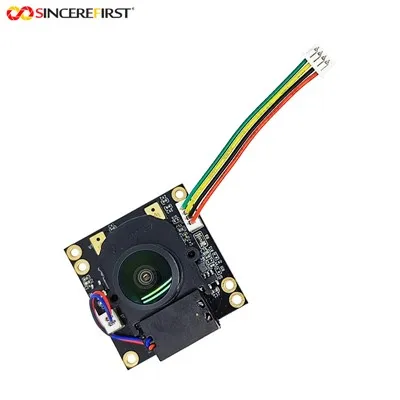
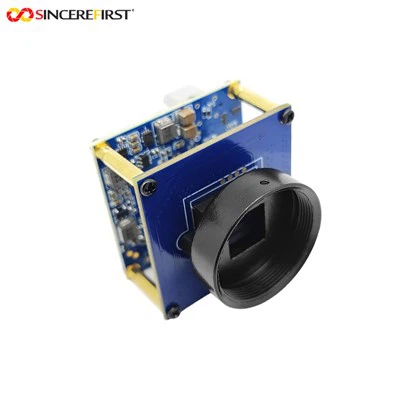
Before delving into their automotive applications, it's essential to understand what Fixed Focus Modules are. A Fixed Focus Module is a camera module with a pre-set focal length, meaning it is designed to focus on objects at a specific distance without the need for manual or automatic adjustment. This simplicity makes them cost-effective, reliable, and easy to integrate into various systems.
Fixed Focus Modules typically use complementary metal-oxide-semiconductor (CMOS) sensors, which offer high image quality, low power consumption, and fast data transfer rates. These modules are available in a range of resolutions, from low to high, and can be customized to meet specific application requirements.
Advantages of Fixed Focus Modules in Automotive Applications
Cost-Effectiveness
One of the primary advantages of Fixed Focus Modules in automotive applications is their cost-effectiveness. Unlike variable focus modules, which require complex mechanical or electronic focusing mechanisms, Fixed Focus Modules have a simpler design, resulting in lower manufacturing costs. This makes them an attractive option for automotive manufacturers looking to reduce production costs without compromising on quality.
Reliability
Fixed Focus Modules are known for their reliability. With no moving parts, there is less risk of mechanical failure, ensuring consistent performance over time. This is particularly important in automotive applications, where reliability is crucial for safety and functionality.
Ease of Integration
Another advantage of Fixed Focus Modules is their ease of integration. They can be easily incorporated into existing automotive systems, such as rearview cameras, blind spot monitoring systems, and parking assistance systems. Their compact size and simple design make them suitable for a wide range of applications, from small cars to large commercial vehicles.
High Image Quality
Despite their simplicity, Fixed Focus Modules can provide high-quality images. With advancements in CMOS sensor technology, these modules can capture clear, sharp images even in low-light conditions. This is essential for automotive applications, where visibility is crucial for safe driving.
Limitations of Fixed Focus Modules in Automotive Applications
Limited Focus Range
The main limitation of Fixed Focus Modules is their limited focus range. Since they are designed to focus on objects at a specific distance, they may not be suitable for applications that require a wide range of focus. For example, in a rearview camera, a Fixed Focus Module may not be able to provide a clear view of objects at different distances, such as a car parked close to the vehicle and a pedestrian further away.
Lack of Flexibility
Fixed Focus Modules lack the flexibility of variable focus modules. They cannot adjust their focus automatically in response to changes in the environment, such as changes in distance or lighting conditions. This may limit their effectiveness in certain automotive applications, such as adaptive cruise control or lane departure warning systems.
Real-World Applications of Fixed Focus Modules in Automotive
Rearview Cameras
One of the most common applications of Fixed Focus Modules in automotive is rearview cameras. These cameras provide drivers with a clear view of the area behind their vehicle, helping to prevent collisions when backing up. Fixed Focus Modules are ideal for rearview cameras because they can provide a wide-angle view of the area behind the vehicle at a fixed distance.
Blind Spot Monitoring Systems
Blind spot monitoring systems use cameras to detect vehicles in the driver's blind spot. Fixed Focus Modules can be used in these systems to provide a clear view of the area beside the vehicle. By detecting vehicles in the blind spot, these systems can alert the driver, helping to prevent accidents.
Parking Assistance Systems
Parking assistance systems use cameras to help drivers park their vehicles safely and accurately. Fixed Focus Modules can be used in these systems to provide a clear view of the parking space, allowing the driver to see the position of the vehicle relative to the parking lines.
Our Fixed Focus Module Products
As a supplier of Fixed Focus Modules, we offer a wide range of products to meet the diverse needs of the automotive industry. Our products include:
- High Quality 5MP CMOS Line Senor Cam USB Vision Systems For Industry: This module offers high-resolution images and is suitable for a variety of industrial applications, including automotive.
- 1080P HD Infrared OV2710 Camera Module With CMOS Linear Image Senor: This module provides high-definition images with infrared capabilities, making it ideal for use in low-light conditions.
- 8mp External Trigger Webcam Android Waterproof Inspection USB2.0 Camera Module: This module offers high-resolution images and is waterproof, making it suitable for use in harsh environments.
Conclusion
In conclusion, Fixed Focus Modules have the potential to play a significant role in automotive applications. While they have some limitations, their cost-effectiveness, reliability, ease of integration, and high image quality make them an attractive option for automotive manufacturers. As the automotive industry continues to evolve, we expect to see an increasing demand for Fixed Focus Modules in a variety of applications.
If you are interested in learning more about our Fixed Focus Modules or would like to discuss your specific requirements, please feel free to contact us. We look forward to the opportunity to work with you and help you find the right solution for your automotive application.


References
- Smith, J. (2023). Automotive Imaging Systems: A Comprehensive Guide. Automotive Technology Press.
- Johnson, A. (2022). The Future of Automotive Cameras. Journal of Automotive Engineering.
- Brown, C. (2021). Fixed Focus Modules: Advantages and Applications. Imaging Technology Journal.