Can an Auto Focus Module be used in close - up photography?
As a supplier of auto focus modules, I've often been asked whether these modules are suitable for close - up photography. Close - up photography, also known as macro photography, is a fascinating genre that allows photographers to capture the intricate details of small subjects. It requires a camera system to focus precisely on a very short distance from the lens. In this blog post, we'll explore the capabilities of auto focus modules in close - up photography and discuss the factors that can affect their performance.
How Auto Focus Modules Work
Before delving into their use in close - up photography, it's important to understand how auto focus modules function. Auto focus modules use a variety of techniques to determine the correct focus distance. One common method is phase - detection autofocus, which measures the phase difference between light rays entering the lens. Another technique is contrast - detection autofocus, which adjusts the focus until the contrast in the image is maximized.
These modules typically consist of a lens, a motor, and a control circuit. The motor moves the lens element to adjust the focus based on the feedback from the autofocus system. This allows the camera to quickly and accurately focus on the subject, whether it's a distant landscape or a nearby object.
Advantages of Using Auto Focus Modules in Close - Up Photography
There are several advantages to using auto focus modules in close - up photography. Firstly, they save time. In macro photography, getting the focus right can be a painstaking process. Manual focusing requires the photographer to make small adjustments to the lens and constantly check the focus through the viewfinder or on the LCD screen. With an auto focus module, the camera can quickly find the correct focus, allowing the photographer to spend more time composing the shot and less time struggling with focus.
Secondly, auto focus modules can provide consistent results. They are designed to follow a set of algorithms to determine the focus, which means that they can achieve the same level of accuracy every time. This is especially important in commercial or scientific macro photography, where consistent focus is crucial for accurate representation of the subject.
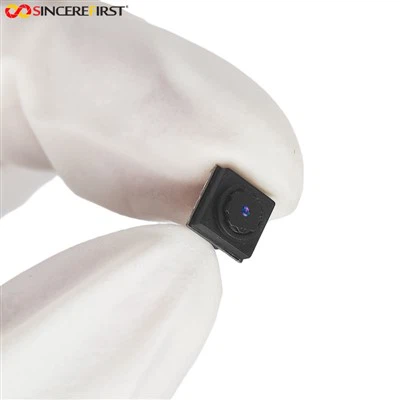
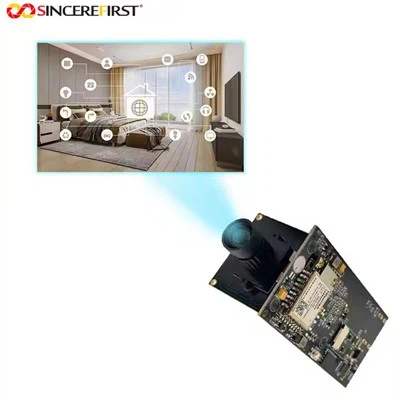
For example, our OV5648 5MP USB Camera Module uses advanced autofocus technology to ensure sharp and clear images. It is suitable for a wide range of close - up photography applications, from photographing insects to capturing the details of antique jewelry.
Challenges of Using Auto Focus Modules in Close - Up Photography
However, there are also some challenges associated with using auto focus modules in close - up photography. One of the main issues is the limited depth of field. In macro photography, the depth of field is extremely shallow, which means that only a small portion of the subject will be in focus. Auto focus modules may have difficulty accurately selecting the correct part of the subject to focus on, especially if the subject has complex textures or multiple layers.
Another challenge is the speed of the autofocus system. In some cases, the autofocus motor may not be able to move quickly enough to keep up with changes in the subject's position or when the photographer needs to refocus rapidly. This can result in missed shots or out - of - focus images.


Factors Affecting Auto Focus Performance in Close - Up Photography
Several factors can affect the performance of auto focus modules in close - up photography. The quality of the lens is one of the most important factors. A high - quality lens with good optical performance will allow the autofocus system to work more effectively. It should have a low level of aberrations and a wide aperture to allow more light to enter the lens, which can improve the accuracy of the autofocus system.
The lighting conditions also play a crucial role. In low - light situations, the autofocus system may have difficulty detecting the contrast or phase differences needed to determine the focus. This can lead to slow or inaccurate autofocus. On the other hand, harsh lighting can cause glare and reflections, which can also affect the autofocus performance.
The type of subject also matters. Subjects with low contrast or fine details may pose a challenge for the autofocus system. For example, a white flower against a white background may be difficult for the autofocus module to distinguish and focus on. In such cases, the photographer may need to use manual focus or adjust the autofocus settings to get the best results.
Our High - Performance Auto Focus Modules for Close - Up Photography
At our company, we offer a range of auto focus modules that are suitable for close - up photography. The 4K 8MP Sony IMX179 Digital Autofocus Camera Module is one of our flagship products. It features high - resolution imaging and a fast autofocus system, making it ideal for capturing detailed close - up images.
Another popular option is the Mini OV5693 Autofocus USB Camera Module For Android Phone. This compact module is designed to be used with Android phones, allowing users to add macro photography capabilities to their mobile devices. It offers excellent autofocus performance and is easy to install and use.
Conclusion
In conclusion, auto focus modules can be used in close - up photography, but they come with both advantages and challenges. When used correctly, they can save time, provide consistent results, and enhance the overall photography experience. However, photographers need to be aware of the limitations and take steps to overcome them, such as choosing the right module, adjusting the settings, and considering the lighting and subject conditions.
If you're interested in using auto focus modules for your close - up photography projects, we'd love to hear from you. Our team of experts can provide you with detailed information about our products and help you choose the right module for your needs. We are committed to providing high - quality auto focus modules and excellent customer service. Contact us today to start a conversation about your procurement requirements.
References
- "Digital Photography: From Snapshots to Great Shots" by Jim Miotke
- "Macro Photography: From Snapshots to Great Shots" by Marty Snyderman