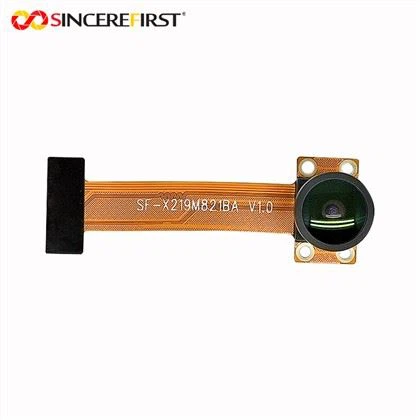
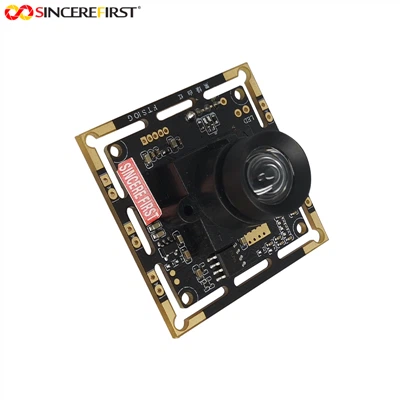
In the realm of modern imaging technology, 4K USB camera modules have emerged as a cornerstone for a wide array of applications, from high - end surveillance to advanced machine vision systems. As a supplier deeply entrenched in the market of 4K USB camera modules, I've encountered numerous inquiries regarding the susceptibility of these devices to electromagnetic interference (EMI). This blog post aims to delve into this topic comprehensively, exploring the nature of EMI, how it can impact 4K USB camera modules, and what measures can be taken to mitigate its effects.
Understanding Electromagnetic Interference (EMI)
Electromagnetic interference is the disruption that occurs when an electromagnetic field generated by one electrical device affects another electrical device. EMI can originate from a multitude of sources, both natural and man - made. Natural sources include lightning, which emits a powerful electromagnetic pulse. Man - made sources are far more common in our daily lives and industrial settings. These can range from power lines, which generate a continuous electromagnetic field, to electronic devices such as mobile phones, Wi - Fi routers, and microwave ovens.
The impact of EMI can vary significantly depending on its strength and frequency. In some cases, it may cause minor glitches or noise in the operation of an electronic device. In more severe instances, it can lead to complete device failure. EMI is typically classified into two types: conducted EMI and radiated EMI. Conducted EMI travels through power lines and signal cables, while radiated EMI propagates through the air as electromagnetic waves.
How EMI Affects 4K USB Camera Modules
4K USB camera modules are highly sophisticated devices that rely on precise electrical signals to capture and transmit high - resolution images. EMI can disrupt these signals in several ways.


Image Quality Degradation
One of the most noticeable effects of EMI on 4K USB camera modules is the degradation of image quality. EMI can introduce noise into the image sensor, resulting in a grainy or distorted appearance. This noise can manifest as random dots, streaks, or blurs in the captured image. In applications where image clarity is crucial, such as medical imaging or industrial inspection, even a small amount of noise can render the image useless.
Signal Transmission Issues
4K USB camera modules transmit data via the USB interface. EMI can interfere with this data transmission, leading to packet loss or errors. This can result in dropped frames, slow data transfer rates, or even complete disconnection between the camera module and the host device. For applications that require real - time video streaming, such as video conferencing or live surveillance, these transmission issues can be extremely problematic.
Malfunction of Camera Functions
In some cases, severe EMI can cause the camera module to malfunction. This may include issues such as incorrect exposure settings, color distortion, or the inability to focus properly. These malfunctions can be particularly frustrating for users, as they can disrupt the normal operation of the camera and require troubleshooting to resolve.
Factors Affecting the Susceptibility of 4K USB Camera Modules to EMI
Not all 4K USB camera modules are equally susceptible to EMI. Several factors can influence their vulnerability.
Design and Construction
The design and construction of the camera module play a crucial role in determining its EMI resistance. Camera modules with proper shielding, such as metal enclosures or conductive coatings, are better protected against radiated EMI. Additionally, the layout of the printed circuit board (PCB) can also affect EMI susceptibility. A well - designed PCB with proper grounding and signal routing can minimize the impact of conducted EMI.
Component Quality
The quality of the components used in the camera module can also affect its resistance to EMI. High - quality image sensors, USB controllers, and other electronic components are typically designed to be more immune to electromagnetic interference. For example, the Sony Starvis Imx415 is known for its excellent performance and relatively high resistance to EMI compared to some other sensors on the market.
Operating Environment
The operating environment of the camera module is another important factor. Camera modules used in environments with high levels of electromagnetic activity, such as industrial factories or near power substations, are more likely to be affected by EMI. On the other hand, camera modules used in a quiet office or home environment are less likely to experience significant EMI issues.
Mitigating the Effects of EMI on 4K USB Camera Modules
As a supplier, we understand the importance of providing camera modules that are resilient to EMI. Here are some of the measures we take to mitigate the effects of EMI.
Shielding
We use high - quality shielding materials in the design and construction of our 4K USB camera modules. Metal enclosures are often used to provide a physical barrier against radiated EMI. Additionally, we use conductive gaskets and coatings to further enhance the shielding effectiveness.
Filtering
Filtering is another important technique for reducing EMI. We incorporate EMI filters in the power and signal lines of our camera modules. These filters are designed to block or attenuate unwanted electromagnetic frequencies, while allowing the desired signals to pass through.
Grounding
Proper grounding is essential for minimizing the impact of conducted EMI. We ensure that all components in our camera modules are properly grounded to provide a low - impedance path for the flow of electromagnetic currents. This helps to prevent the build - up of static charges and reduces the risk of EMI - related malfunctions.
Real - World Examples
To illustrate the impact of EMI on 4K USB camera modules, let's consider a few real - world examples.
Industrial Surveillance
In an industrial factory, there are numerous sources of EMI, such as large motors, welding equipment, and power distribution systems. A 4K USB camera module used for surveillance in this environment may experience significant image degradation due to EMI. However, by using a camera module with proper shielding and filtering, such as our 4k Sony IMX415 Machine Vision AI Camera Sensor Module, the impact of EMI can be minimized, and clear and reliable surveillance footage can be obtained.
Medical Imaging
In medical imaging applications, image quality is of utmost importance. EMI can introduce noise and artifacts into the captured images, which can affect the accuracy of diagnoses. Our camera modules, designed with high - quality components and advanced EMI mitigation techniques, are suitable for use in medical imaging equipment, ensuring that the images obtained are of the highest quality.
Conclusion
In conclusion, 4K USB camera modules can be affected by electromagnetic interference, which can lead to image quality degradation, signal transmission issues, and camera malfunctions. However, by understanding the nature of EMI, the factors that affect the susceptibility of camera modules to EMI, and the measures that can be taken to mitigate its effects, we can provide high - quality camera modules that are resilient in a variety of operating environments.
If you are in the market for a 4K USB camera module and have concerns about EMI, we are here to help. Our team of experts can provide you with detailed information about the EMI resistance of our products and assist you in selecting the right camera module for your specific application. Whether you need a camera module for surveillance, machine vision, or medical imaging, our OV7725 VGA Sensor USB Camera Module and other products offer reliable performance and excellent EMI protection. Contact us for more information and to start discussing your procurement needs.
References
- Electromagnetic Compatibility Engineering by Henry W. Ott
- Handbook of Electromagnetic Compatibility by Clayton R. Paul
- IEEE Standards on Electromagnetic Compatibility