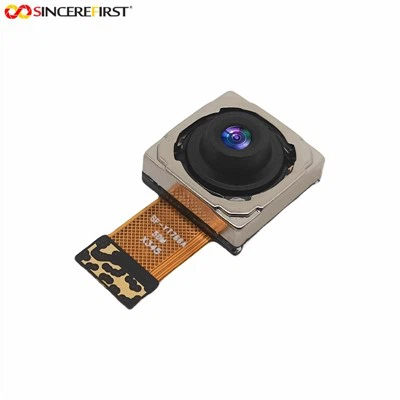
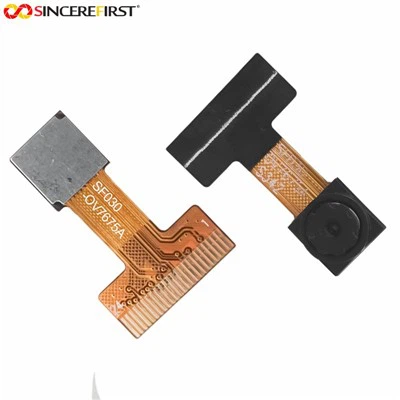
Hey there! As a supplier of MIPI Camera Modules, I'm super excited to dive into the world of autofocus algorithms used in these amazing devices. MIPI (Mobile Industry Processor Interface) Camera Modules have become a staple in various applications, from smartphones to industrial imaging systems. And the autofocus feature is a game - changer, making sure that the images and videos we capture are sharp and clear. So, let's take a closer look at the different autofocus algorithms out there.
Contrast - Based Autofocus (CBAF)
One of the most commonly used autofocus algorithms in MIPI Camera Modules is Contrast - Based Autofocus. This method is all about finding the point where the contrast in the image is at its highest. How does it work? Well, the camera starts by adjusting the lens position and capturing a series of images. It then analyzes the contrast in each of these images.
The basic idea is that when the image is in focus, edges in the image will be sharp, which means there will be a high contrast between adjacent pixels. For example, think of a black and white checkerboard. When it's in focus, the transition from black to white squares will be very distinct, resulting in high contrast. The camera keeps moving the lens back and forth and measures the contrast level in these intermediate images. Once it finds the position where the contrast is maximized, it stops the lens movement, and the image is in focus.
The advantage of CBAF is that it produces high - quality images with sharp details. It works well in most lighting conditions as long as there are some edges and contrast in the scene. However, it has its limitations. It can be a bit slow, especially when the scene has low contrast. If there's not much difference in brightness between different parts of the image, it becomes harder for the algorithm to determine the optimal focus point.
Phase - Detection Autofocus (PDAF)
Now, let's talk about Phase - Detection Autofocus. This algorithm is a bit more high - tech and is widely used in modern smartphones and MIPI Camera Modules. PDAF works by splitting the light that enters the camera lens. Instead of relying solely on the overall contrast in the image, it uses the phase difference between different light rays.
The camera has special phase - detection pixels on its sensor. These pixels can measure the phase of the incoming light. When light from an object hits the lens, it gets split into two paths. The phase - detection pixels then compare the phase of the light in these two paths. If the light rays are in phase, it means the object is in focus. If there's a phase difference, the camera knows which way to move the lens to bring the object into focus.
PDAF is incredibly fast. It can lock focus in a fraction of a second, which is great for capturing fast - moving objects like sports events or wildlife. It also works well in low - light conditions compared to CBAF. However, it might not be as accurate as CBAF in some cases, especially when dealing with very fine details.
Hybrid Autofocus
To get the best of both worlds, many MIPI Camera Modules these days use a hybrid autofocus system that combines CBAF and PDAF. This system starts with PDAF to quickly lock in on the approximate focus point. Since PDAF is fast, it can quickly zero in on the general area where the object should be in focus.
Once the initial focus is set using PDAF, the camera then switches to CBAF for fine - tuning. CBAF can analyze the contrast in the image in more detail and make small adjustments to the lens position to ensure that the image is perfectly in focus. This hybrid approach offers the speed of PDAF and the accuracy of CBAF.
Depth - Sensing Autofocus
Another emerging autofocus algorithm is Depth - Sensing Autofocus. This method uses additional sensors, such as a Time - of - Flight (ToF) sensor or a stereo camera setup, to measure the distance between the camera and the object.
A ToF sensor works by emitting light pulses and measuring the time it takes for the light to bounce back from the object. Based on this time measurement, the camera can calculate the distance to the object. Once it knows the distance, it can adjust the lens position to bring the object into focus.
Stereo camera setups use two cameras placed at a small distance apart. By analyzing the difference in the images captured by these two cameras, the camera system can calculate the depth of the scene. This depth information is then used to adjust the focus of the main camera.
Depth - Sensing Autofocus is great for 3D imaging applications and can provide accurate focus even in challenging lighting conditions. However, it adds to the cost and complexity of the camera module.
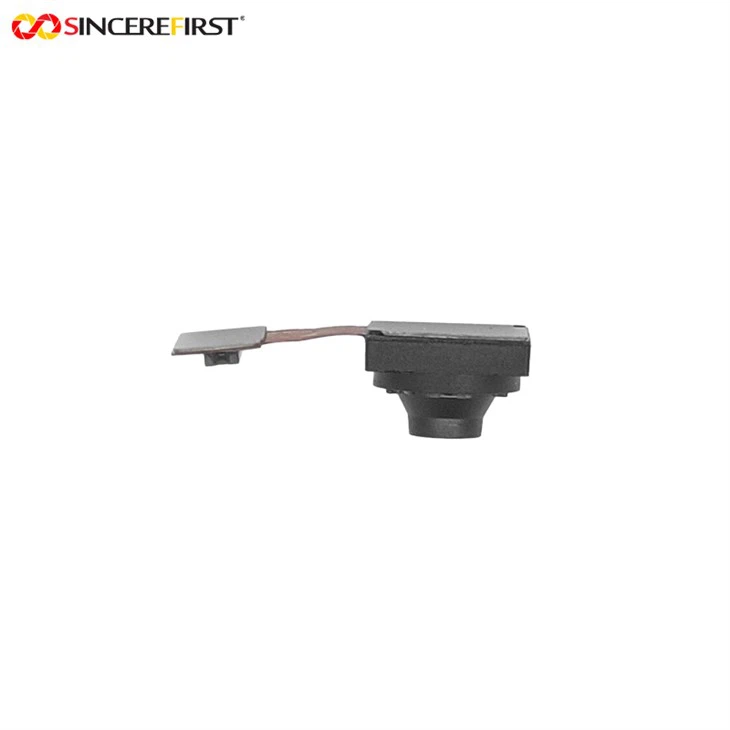
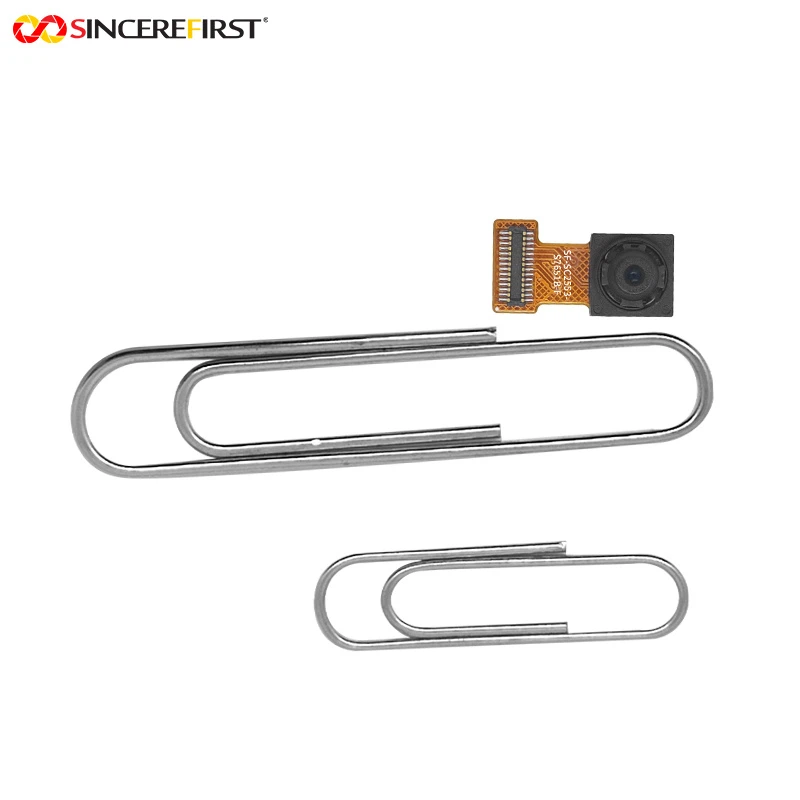
Our MIPI Camera Modules and Autofocus Algorithms
At our company, we've incorporated these advanced autofocus algorithms into our top - notch MIPI Camera Modules. For instance, our OVA0B40 Ultra HD 108MP Camera Module MIPI 4K Resolution Imaging features a hybrid autofocus system. This means you get the speed of PDAF to quickly capture fast - moving moments and the precision of CBAF to ensure that every detail is sharp in your 108MP images.
Our New High - Performance 5MP CMOS BF2553 Color Image Sensor Mini MIPI Camera Module also benefits from these autofocus algorithms. Whether you're using it for industrial inspection or surveillance, the autofocus will ensure that you always get clear and detailed images.
And for those who are Raspberry Pi enthusiasts, our 8MP Sony IMX219 Sensor M12 Lens Camera Module For Raspberry Pi has an excellent autofocus system. It can capture great - looking photos and videos with ease, thanks to the combination of autofocus algorithms.
Why Choose Our MIPI Camera Modules
We understand that in today's market, you have a lot of options when it comes to MIPI Camera Modules. But here's why you should choose ours. Firstly, our modules are built with high - quality components. We source the best sensors and lenses to ensure that the images and videos you capture are of the highest quality.
Secondly, our focus on incorporating advanced autofocus algorithms means that you'll always get sharp and clear results, no matter the shooting conditions. Whether you're shooting in bright sunlight or in a dimly lit room, our autofocus systems will work their magic.
Lastly, we offer excellent customer support. If you have any questions about our products, the autofocus algorithms, or anything else, our team is always ready to help.
Let's Connect!
If you're interested in our MIPI Camera Modules and want to know more about how our autofocus algorithms can benefit your project, don't hesitate to reach out. We're happy to have a chat with you, discuss your specific requirements, and provide you with a quote. Whether you're a smartphone manufacturer, an industrial application developer, or a hobbyist, we have the right MIPI Camera Module for you.
References
- Jain, R. (1989). Fundamentals of Digital Image Processing. Prentice Hall.
- Tsai, R. Y. (1987). A versatile camera calibration technique for high - accuracy 3D machine vision metrology using off - the - shelf TV cameras and lenses. IEEE Journal on Robotics and Automation, 3(4), 323 - 344.
- Horn, B. K. P., & Schunck, B. G. (1981). Determining optical flow. Artificial intelligence, 17(1 - 3), 185 - 203.