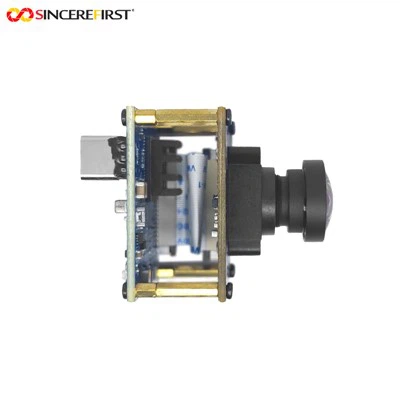
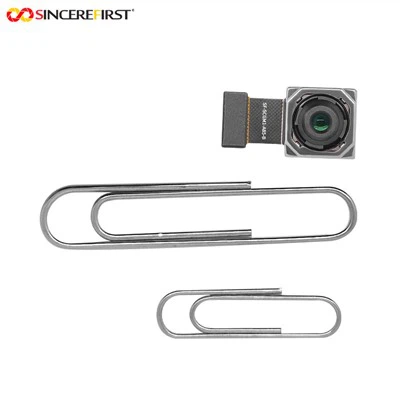
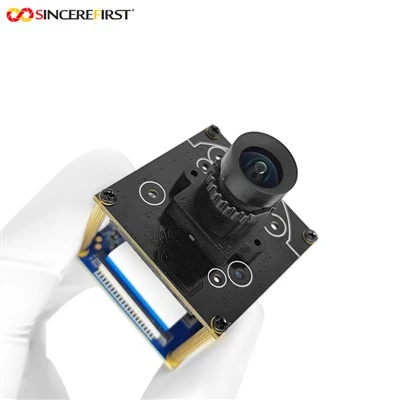
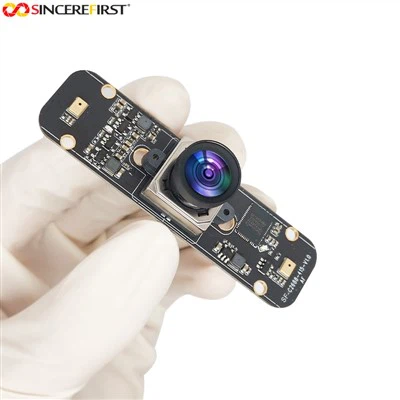
As a supplier of FPC (Flexible Printed Circuit) Camera Modules, I've had the privilege of delving deep into the intricacies of these remarkable components. One of the most critical elements within an FPC Camera Module is the Image Signal Processor (ISP). The ISP plays a pivotal role in transforming raw image data captured by the image sensor into high - quality, visually appealing images and videos. In this blog, I'll explore the key features of the ISP in FPC Camera Modules.
1. Image Quality Enhancement
The primary function of an ISP in an FPC Camera Module is to enhance the quality of the captured images. This involves multiple processes that work in tandem to produce sharp, clear, and color - accurate results.
Color Correction
Color correction is a fundamental feature of the ISP. Real - world lighting conditions can vary significantly, and these variations can cause color imbalances in the captured images. The ISP analyzes the color information from the image sensor and adjusts it to ensure that the colors in the final image closely match what the human eye perceives. For example, under fluorescent lighting, which has a distinct color temperature, the ISP can correct the color cast to make the skin tones look natural and the colors of objects appear true to life. This is achieved through algorithms that map the raw color data to a standard color space, compensating for the differences in lighting conditions.
Noise Reduction
Noise is an inevitable part of the image - capturing process, especially in low - light conditions. The ISP uses advanced noise - reduction algorithms to minimize the visual impact of noise without sacrificing too much image detail. There are different types of noise, such as random noise and fixed - pattern noise. The ISP can identify and reduce both types. For random noise, which appears as small, grainy dots in the image, the ISP can use techniques like spatial filtering. Fixed - pattern noise, which is often caused by variations in the sensor's pixels, can be corrected by subtracting a pre - measured pattern from the captured image.
Sharpening
To make the images look more vivid and detailed, the ISP applies sharpening algorithms. These algorithms enhance the edges and fine details in the image by increasing the contrast around them. However, it's a delicate balance, as over - sharpening can lead to artifacts, such as halos around objects. The ISP in FPC Camera Modules is designed to apply the right amount of sharpening based on the characteristics of the captured image, ensuring that the final result looks natural and well - defined.
2. Image Format Conversion
The image sensor in an FPC Camera Module typically captures raw image data in a format that is not directly suitable for display or storage. The ISP converts this raw data into more common image formats, such as JPEG or PNG.
Compression
JPEG is a widely used image format because of its high compression ratio, which allows for efficient storage and transmission of images. The ISP in an FPC Camera Module can compress the image data using the JPEG compression algorithm. It analyzes the image content and applies different levels of compression to different parts of the image. For example, areas with less detail can be compressed more aggressively, while areas with high - frequency details, such as edges and textures, are compressed less to preserve the visual quality.
Metadata Insertion
In addition to converting the image data into a suitable format, the ISP also inserts metadata into the image file. Metadata includes information such as the date and time of capture, the camera settings (e.g., aperture, shutter speed, ISO), and the orientation of the image. This information is useful for organizing and managing the images, as well as for providing additional context about the captured scene.
3. Video Processing
FPC Camera Modules are often used for video recording, and the ISP plays a crucial role in ensuring smooth and high - quality video output.
Frame Rate Management
The ISP can manage the frame rate of the video stream. It can adjust the capture and processing speed to match the desired frame rate, whether it's a standard 30 frames per second (fps) for normal video recording or a higher frame rate, such as 60 fps or 120 fps, for slow - motion video. This requires the ISP to process the image data quickly enough to keep up with the capture rate, while also maintaining the image quality.
Video Stabilization
Camera shake is a common problem when recording videos, especially when the camera is handheld. The ISP can implement video stabilization algorithms to reduce the effects of camera shake. There are two main types of video stabilization: optical and digital. While some FPC Camera Modules may have optical stabilization mechanisms, the ISP can also provide digital video stabilization. It analyzes the motion between consecutive frames and compensates for the shake by adjusting the position and orientation of the frames in the video stream.


4. Advanced Features for Specific Applications
Depending on the target application of the FPC Camera Module, the ISP may have additional advanced features.
Facial Recognition
In applications such as mobile devices and security systems, facial recognition is becoming increasingly important. The ISP can pre - process the image data to enhance the features of the human face, such as the eyes, nose, and mouth. It can also perform basic facial detection, identifying the position and orientation of the face in the image. This pre - processing makes it easier for the subsequent facial recognition software to accurately identify individuals.
HDR (High - Dynamic Range) Imaging
HDR imaging is useful for capturing scenes with a wide range of lighting conditions, such as a bright sky and a dark foreground. The ISP can capture multiple images with different exposure settings and then combine them to create a single image with a higher dynamic range. This results in an image where both the bright and dark areas are well - exposed, showing more details in both parts of the scene.
5. Power Efficiency
In FPC Camera Modules, power efficiency is a crucial consideration, especially for applications where the camera is battery - powered, such as mobile phones and wearable devices. The ISP is designed to perform its functions with minimal power consumption. It uses low - power circuit designs and optimized algorithms to reduce the overall power draw. This not only extends the battery life of the device but also helps in keeping the camera module cool, which is important for maintaining the performance and reliability of the components.
Conclusion
The ISP in FPC Camera Modules is a complex and powerful component that significantly impacts the quality and functionality of the camera. Its features, ranging from basic image quality enhancement to advanced application - specific functions, make it an essential part of modern imaging systems. Whether you're looking for a camera module for a mobile device, a security camera, or a wearable gadget, understanding the capabilities of the ISP is crucial.
If you're in the market for high - quality FPC Camera Modules, we have a wide range of products to meet your needs. One of our popular models is the SF5X258ABC - LAT, which is equipped with a state - of - the - art ISP that offers excellent image quality and advanced features. We're always ready to discuss your specific requirements and provide you with the best solutions. Don't hesitate to reach out to us for a detailed consultation and to start the procurement process.
References
- "Digital Image Processing" by Rafael C. Gonzalez and Richard E. Woods.
- "Image and Video Processing: From Mars to Hollywood with a Stop at the Hospital" by John W. Woods.