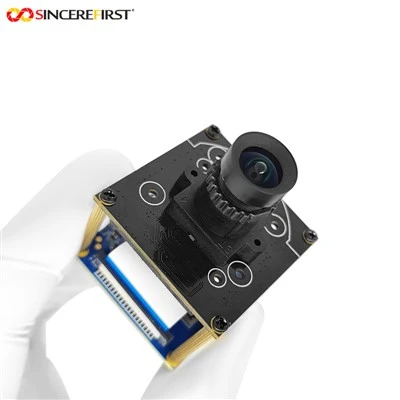
Hey there! As a supplier of USB camera modules, I often get asked about flash synchronization in USB camera modules. So, let's dive right into it and break down what flash synchronization is all about.
What Exactly is Flash Synchronization?
Flash synchronization is a crucial feature when it comes to taking high - quality photos with a USB camera module. In simple terms, it's the process of making sure that the flash goes off at the exact moment the camera's sensor captures an image. This ensures that the subject is well - lit and the photo comes out looking sharp and clear.
When you take a photo, the camera's sensor needs to be exposed to light at the right time. If the flash fires too early or too late, the photo can end up looking either overexposed or underexposed. Flash synchronization solves this problem by coordinating the flash and the sensor's exposure.
How Does Flash Synchronization Work in USB Camera Modules?
In USB camera modules, flash synchronization usually works through a trigger mechanism. There are different types of triggers, but the most common ones are internal and external triggers.
Internal Triggers
Internal triggers are built - in to the camera module. When you press the shutter button, the camera's internal system sends a signal to the flash to fire at the appropriate time. This is a simple and convenient way to synchronize the flash, especially for casual photography.
External Triggers
External triggers are used when you need more control over the flash. For example, in professional photography or industrial applications, you might want to use an external flash unit that can be positioned separately from the camera. An external trigger allows you to connect the flash to the camera module and control when it fires.
Why is Flash Synchronization Important?
There are several reasons why flash synchronization is important for USB camera modules.
Better Image Quality
The most obvious reason is that it improves the quality of your photos. A well - synchronized flash ensures that the subject is evenly lit, reducing shadows and creating a more professional - looking image.
Consistency
Flash synchronization also helps to maintain consistency in your photos. Whether you're taking multiple shots of the same subject or shooting in different lighting conditions, a synchronized flash ensures that each photo has the same level of brightness and clarity.
Special Effects
In addition to improving image quality, flash synchronization can also be used to create special effects. For example, you can use a slow - sync flash to capture a moving subject with a blurred background, creating a sense of motion in the photo.
Our USB Camera Modules and Flash Synchronization
At our company, we offer a wide range of USB camera modules with excellent flash synchronization capabilities. Let me introduce you to some of our popular products.
First up is the 12MP IMX577 USB Camera Module. This high - resolution camera module is perfect for applications that require detailed images. It has a built - in flash synchronization system that ensures accurate and consistent flash firing, resulting in sharp and well - lit photos.
Another great option is the USB3.0 High Speed Global Shutter External Trigger Camera Module 1080P. This camera module is designed for high - speed applications, such as industrial inspection and machine vision. The external trigger feature allows you to connect an external flash unit and control the flash timing precisely, giving you more flexibility in your photography.
We also have the OV5640 Usb. This is a cost - effective camera module that still offers good flash synchronization performance. It's a great choice for applications where you need a reliable camera at an affordable price.
How to Choose the Right USB Camera Module for Flash Synchronization
When choosing a USB camera module for flash synchronization, there are a few factors to consider.
Resolution
The resolution of the camera module affects the quality of the photos. Higher resolution cameras can capture more detail, but they also require more storage space and processing power. Consider your specific needs and choose a camera with an appropriate resolution.


Flash Type
There are different types of flashes, such as built - in flashes and external flashes. Built - in flashes are convenient, but they may not provide as much power as external flashes. If you need more control over the lighting, an external flash might be a better option.
Trigger Mechanism
As mentioned earlier, there are internal and external triggers. If you need more flexibility and control, an external trigger is the way to go. However, if you're just starting out or don't need advanced features, an internal trigger may be sufficient.
Conclusion
Flash synchronization is an important feature in USB camera modules that can significantly improve the quality of your photos. Whether you're a professional photographer or just someone who likes to take pictures, understanding how flash synchronization works and choosing the right camera module can make a big difference.
If you're interested in our USB camera modules or have any questions about flash synchronization, don't hesitate to contact us for a purchase negotiation. We're here to help you find the perfect camera module for your needs.
References
- Photography textbooks on lighting and camera technology
- Manufacturer's specifications for USB camera modules