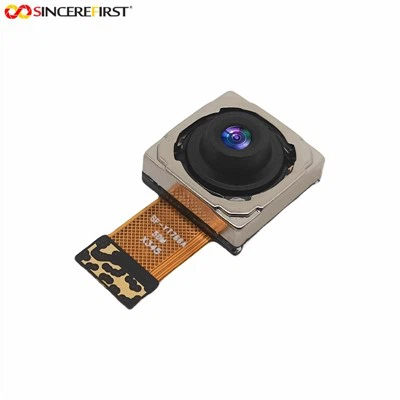
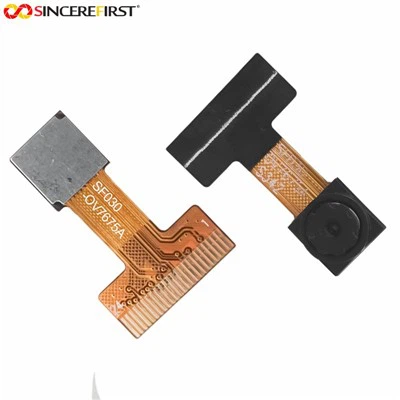
Hey there! As a supplier of 4K USB camera modules, I often get asked about the image sensor types used in these nifty devices. So, I thought I'd break it down for you in this blog post.
Let's start by understanding what an image sensor is. In simple terms, it's like the "eye" of the camera. It captures light and converts it into electrical signals, which are then processed to create an image. The type of image sensor used in a 4K USB camera module can significantly impact the quality of the footage it can capture.
There are several types of image sensors commonly used in 4K USB camera modules, but the two main ones are CCD (Charge-Coupled Device) and CMOS (Complementary Metal-Oxide-Semiconductor).
CCD Image Sensors
CCD sensors have been around for a while and were once the go-to choice for high-quality imaging. They work by collecting and transferring electrical charges generated by light hitting the sensor surface. One of the biggest advantages of CCD sensors is their excellent image quality, especially in terms of low noise and high dynamic range. This means they can capture detailed and sharp images, even in challenging lighting conditions.
However, CCD sensors also have some drawbacks. They tend to consume more power compared to CMOS sensors, which can be a problem for battery-powered devices. They're also more expensive to manufacture, which can drive up the cost of the camera module.
CMOS Image Sensors
CMOS sensors have become increasingly popular in recent years, and for good reason. They're more power-efficient than CCD sensors, which makes them ideal for portable devices. They're also cheaper to produce, which means you can get a high-quality 4K USB camera module at a more affordable price.
In terms of image quality, CMOS sensors have come a long way. Modern CMOS sensors can produce images that are just as good as, if not better than, CCD sensors. They also offer faster readout speeds, which is great for capturing high-speed action.


Specific Image Sensors in Our 4K USB Camera Modules
Now, let's take a look at some of the specific image sensors used in our 4K USB camera modules.
One of our popular products is the High Speed Mini HM2131 Low Light Machine Vision Camera Chip Module. This module uses a high-performance CMOS image sensor that's designed for low-light conditions. It can capture clear and detailed images even in dimly lit environments, making it perfect for applications like surveillance and machine vision.
Another great option is the SONY IMX415 Digital Cameras 4K AHD USB Camera Module. As the name suggests, this module features a SONY IMX415 image sensor, which is known for its excellent image quality and high resolution. It can capture stunning 4K footage with vibrant colors and sharp details, making it a great choice for professional video recording and live streaming.
We also offer the 16MP Sony IMX298 Free Driver USB Camera Module. This module uses a Sony IMX298 image sensor, which is a high-resolution CMOS sensor. It can capture detailed and clear images with a resolution of up to 16 megapixels, making it suitable for a wide range of applications, including photography and video conferencing.
Factors to Consider When Choosing an Image Sensor
When choosing a 4K USB camera module, it's important to consider the type of image sensor used. Here are some factors to keep in mind:
- Image Quality: If you're looking for the best possible image quality, you might want to consider a module with a high-end CCD or CMOS sensor. Look for sensors with high resolution, low noise, and good dynamic range.
- Power Consumption: If you're using the camera module in a portable device, power consumption is an important factor to consider. CMOS sensors are generally more power-efficient than CCD sensors, so they're a better choice for battery-powered devices.
- Cost: The cost of the camera module can vary depending on the type of image sensor used. CCD sensors are generally more expensive than CMOS sensors, so if you're on a budget, you might want to consider a module with a CMOS sensor.
- Application: The type of application you're using the camera module for can also influence your choice of image sensor. For example, if you're using the camera for surveillance, you might want a sensor with good low-light performance. If you're using it for professional video recording, you might want a sensor with high resolution and good color accuracy.
Conclusion
In conclusion, the type of image sensor used in a 4K USB camera module can have a big impact on its performance and image quality. CCD and CMOS sensors are the two main types of image sensors used in these modules, each with its own advantages and disadvantages.
At our company, we offer a wide range of 4K USB camera modules with different image sensors to suit your needs and budget. Whether you're looking for a high-quality module for professional video recording or a more affordable option for general use, we've got you covered.
If you're interested in learning more about our 4K USB camera modules or have any questions, please don't hesitate to contact us. We'd be happy to help you find the perfect camera module for your application. Let's start a conversation and see how we can work together to meet your imaging needs!
References
- "Image Sensors: CCD vs. CMOS." Imaging Resource.
- "Understanding Image Sensors." Digital Photography School.