When it comes to USB 2.0 camera modules, one crucial aspect that often gets attention is the pan and tilt range. As a USB 2.0 Camera Module supplier, we understand the importance of this feature for various applications, from surveillance systems to interactive kiosks and robotics. In this blog post, we'll delve into what the pan and tilt range of a USB 2.0 camera module is, why it matters, and how it can impact your projects.
Understanding Pan and Tilt Range
Pan and tilt refer to the two primary axes of movement for a camera. Pan is the horizontal movement, similar to how your head turns from side to side. Tilt, on the other hand, is the vertical movement, like when you tilt your head up or down. The pan and tilt range is the extent to which the camera can move along these axes.
For a USB 2.0 camera module, the pan and tilt range is typically measured in degrees. A wider range allows the camera to cover a larger area without the need for physical repositioning. For example, a camera with a pan range of 360 degrees can rotate a full circle horizontally, while a tilt range of 180 degrees can look from straight down to straight up.
Why Pan and Tilt Range Matters
The pan and tilt range of a USB 2.0 camera module is essential for several reasons. Firstly, in surveillance applications, a wider range means more comprehensive coverage. Instead of having multiple fixed - position cameras, a single camera with a large pan and tilt range can monitor a large area, reducing costs and complexity.
Secondly, in interactive applications such as video conferencing or robotic vision, the ability to adjust the camera's view quickly and precisely is crucial. A camera with a limited pan and tilt range may not be able to capture the desired scene, leading to a less immersive or effective experience.
Factors Affecting Pan and Tilt Range
Several factors can influence the pan and tilt range of a USB 2.0 camera module. The mechanical design of the camera mount is a significant factor. A well - engineered mount can provide a smooth and wide range of movement. Some mounts are designed with gears or motors that allow for precise control of the pan and tilt angles.
The power supply and the capabilities of the USB 2.0 interface also play a role. A camera module may require a certain amount of power to drive the motors for pan and tilt movement. If the power supply is insufficient, the camera may not be able to achieve its full range of motion. Additionally, the USB 2.0 interface needs to be able to transmit the commands for pan and tilt control quickly and accurately.
Applications and Recommended Pan/Tilt Ranges
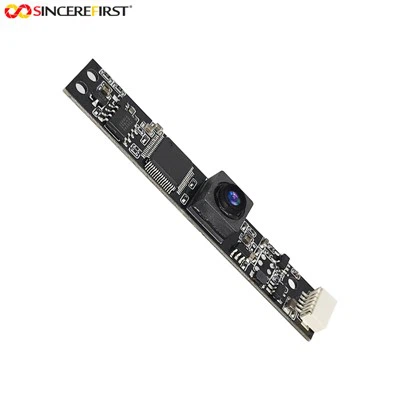
- Surveillance: In a typical indoor surveillance scenario, a camera with a pan range of at least 270 degrees and a tilt range of 90 - 120 degrees can provide excellent coverage. Our 1MP Sensor OV9712 Mini Camera Module For Linux/Android/Wins can be a great option for such applications. It offers reliable performance and can be integrated into existing surveillance systems easily.
- Video Conferencing: For video conferencing, a pan range of 180 degrees and a tilt range of 60 - 90 degrees is usually sufficient. This allows the camera to capture different participants and adjust the view as needed. Our 2MP Color Camera Module provides high - quality video and can be controlled smoothly for pan and tilt operations.
- Robotics: In robotics, the requirements for pan and tilt range can vary greatly depending on the application. Some robotic systems may need a full 360 - degree pan and 180 - degree tilt range to perform complex tasks such as object detection and navigation. Our 8mp USB Camera Module with its high - resolution image capture and flexible pan/tilt capabilities is suitable for such advanced robotic applications.
How to Choose the Right Pan and Tilt Range
When selecting a USB 2.0 camera module based on its pan and tilt range, you need to consider your specific application requirements. Evaluate the area you need to cover, the level of precision required for movement, and the environment in which the camera will operate.
If you need a camera for a large - scale outdoor surveillance project, a wider pan and tilt range will be necessary. On the other hand, for a small indoor setup like a home office video conferencing system, a more limited range may be sufficient.
Also, consider the ease of control. Some camera modules come with user - friendly software that allows you to adjust the pan and tilt angles easily. Make sure the camera's control interface is compatible with your existing systems.


Our Expertise as a USB 2.0 Camera Module Supplier
As a leading USB 2.0 Camera Module supplier, we have extensive experience in developing and manufacturing camera modules with various pan and tilt ranges. Our products are designed to meet the highest quality standards and are suitable for a wide range of applications.
We offer a comprehensive range of camera modules, from low - resolution options for basic applications to high - resolution models for more demanding tasks. Our technical support team is always ready to assist you in choosing the right camera module based on your specific pan and tilt requirements.
Contact Us for Your Pan and Tilt Camera Module Needs
If you're looking for a reliable USB 2.0 camera module with the right pan and tilt range for your project, we'd love to hear from you. Whether you're a system integrator, a developer, or an end - user, we can provide you with the products and support you need. Contact us today to start a discussion about your requirements and find the perfect camera module solution.
References
- Camera Technology Handbook. Revised and expanded edition. Wilson, R., & Brown, R.
- Digital Image Processing: An Algorithmic Introduction Using Java. Burger, W., & Burge, M. J.