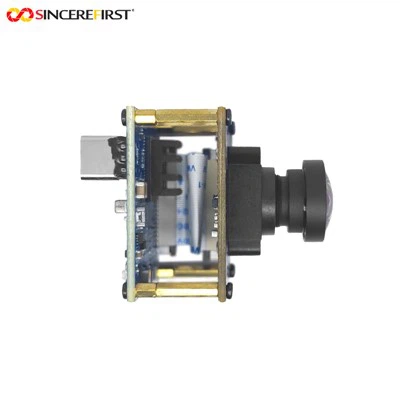
Hey there! As a supplier of 16MP camera modules, I often get asked about the signal-to-noise ratio (SNR) of these little wonders. So, let's dig into what SNR is, why it matters for a 16MP camera module, and how it impacts the overall performance.
What's Signal-to-Noise Ratio Anyway?
In simple terms, the signal-to-noise ratio is a measure of the strength of the desired signal (the image data in our case) compared to the background noise. Noise in a camera module can come from various sources, like electrical interference, thermal noise from the sensor, or even random fluctuations in the light hitting the sensor.
A high SNR means that the signal (the image) is much stronger than the noise. This results in a cleaner, clearer image with more accurate colors and better details. On the other hand, a low SNR means the noise is more prominent, which can make the image look grainy, blurry, or have color artifacts.
Why SNR is Crucial for a 16MP Camera Module
A 16MP camera module is all about capturing high-resolution images. With 16 million pixels, it's supposed to provide sharp, detailed pictures. But if the SNR is low, all those extra pixels won't do much good. The noise can smear the details, making the image look less sharp and reducing the overall quality.
For example, if you're using a 16MP camera module for surveillance, a low SNR could mean that important details like license plate numbers or facial features are lost in the noise. In photography, it could result in a lack of clarity and a less professional-looking image.
How SNR is Measured
SNR is typically measured in decibels (dB). The formula to calculate SNR is:
[ SNR (dB) = 20 \times \log_{10} \left( \frac{Signal}{Noise} \right) ]
A higher dB value indicates a better SNR. For a good-quality 16MP camera module, you'd want an SNR of at least 40 dB, but in ideal situations, it can go up to 60 dB or more.
Factors Affecting SNR in a 16MP Camera Module
There are several factors that can affect the SNR of a 16MP camera module:
- Sensor Quality: The quality of the image sensor plays a huge role. High-end sensors are designed to minimize noise and maximize the signal. They use better materials and manufacturing processes, which can result in a higher SNR.
- Pixel Size: Smaller pixels tend to have a lower SNR because they collect less light. In a 16MP camera module, if the pixels are too small, the noise can become more noticeable. That's why some camera modules use larger pixels even if it means reducing the total number of megapixels.
- Lighting Conditions: Low-light conditions can significantly reduce the SNR. When there's not enough light, the camera has to amplify the signal, which also amplifies the noise. This is why images taken in low light often look grainy.
- Temperature: Higher temperatures can increase the thermal noise in the sensor, reducing the SNR. That's why some camera modules are designed to operate in a specific temperature range to maintain a good SNR.
Comparing Our 16MP Camera Module's SNR with Others
We take pride in the quality of our 16MP camera modules. Our modules are designed with high-quality sensors that offer a great SNR. In fact, our SNR is comparable to or better than many other modules on the market.
Let me give you a few examples of other camera modules we offer:
- The USB2.0 Compact 0.3MP Color OV7725 CMOS Camera Module is a great option for applications where size and cost are important. It may not have the same high resolution as our 16MP module, but it still offers a decent SNR for its price.
- The 1MP OV9732 Sensor Microphone USB Web Camera Module For Android is another great choice. It's designed for Android devices and has a good SNR, making it suitable for video conferencing and other applications.
- The IMX662 CMOS 2MP Mini USB IRS Camera Module is a compact module with a high SNR. It's ideal for applications where space is limited but you still need good image quality.
How to Improve SNR in a 16MP Camera Module
If you're using a 16MP camera module and want to improve the SNR, here are a few tips:
- Use Good Lighting: As mentioned earlier, low light can reduce the SNR. Make sure you have enough light when taking pictures or recording videos.
- Keep the Temperature in Check: If possible, keep the camera module in a cool environment to reduce thermal noise.
- Choose the Right Settings: Some camera modules allow you to adjust settings like gain and exposure. Experiment with these settings to find the ones that give you the best SNR.
Conclusion
The signal-to-noise ratio is a crucial factor in the performance of a 16MP camera module. A high SNR ensures that you get clear, sharp, and detailed images. Our 16MP camera modules are designed with high-quality sensors and advanced technology to offer a great SNR.


If you're interested in purchasing our 16MP camera modules or want to learn more about them, don't hesitate to reach out. We're here to answer all your questions and help you find the right solution for your needs. Whether you're in the security industry, photography, or any other field that requires high-quality imaging, we've got you covered.
References
- "Digital Image Processing" by Rafael C. Gonzalez and Richard E. Woods
- "Fundamentals of Photonics" by Bahaa E. A. Saleh and Malvin Carl Teich