


Retail vision is a coverage problem with occlusion
A vending machine or smart shelf rarely presents products neatly to one camera. Items hide behind each other, packaging reflects light, users' hands enter the scene and the distance from camera to product changes across the shelf. The camera architecture should therefore be designed around coverage and occlusion before the team debates sensor resolution.
Decide whether the system watches events or reads products
Some retail systems only need to detect that a door opened or an item was removed. Others need to identify a SKU, read a label or verify stock position. These tasks require different image detail. Event detection can work with broader views; SKU recognition may need more pixels on each package and better control of glare.
Define the smallest visual feature the software uses. If the algorithm recognizes package shape and color, the optics can differ from a system that must read printed text.

Camera count and placement can beat one ultra-wide camera
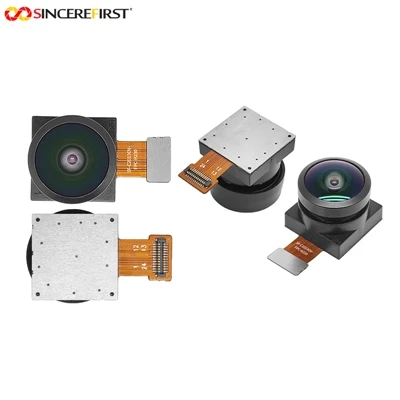
A single very wide camera reduces hardware count but can make products at the edge small and distorted. Multiple cameras with narrower views can create more uniform pixel density and reduce occlusion, though they add cost, synchronization and calibration work.
Use a simple shelf map: mark product zones, camera positions and expected occlusion. This makes it easier to compare one-camera, two-camera and multi-camera designs based on usable coverage rather than headline resolution.
Lighting must be designed for packaging
Glossy cans, plastic bottles and foil wrappers create specular reflections. Interior LEDs should provide consistent illumination when the cabinet door is open or closed. If the system relies on ambient store light, image appearance can change by location and time of day.
Diffused interior lighting usually gives the vision algorithm a more repeatable scene. Test with the actual packaging materials and shelf surfaces because white walls or metal rails can create unexpected reflections.
Synchronization matters when user hands move quickly
If several cameras observe the same transaction, frame timing can affect event reconstruction. The system may not require hardware-synchronized exposure, but it does need timestamps and predictable latency. Fast-moving hands can also create motion blur; exposure time and illumination need to be tuned together.
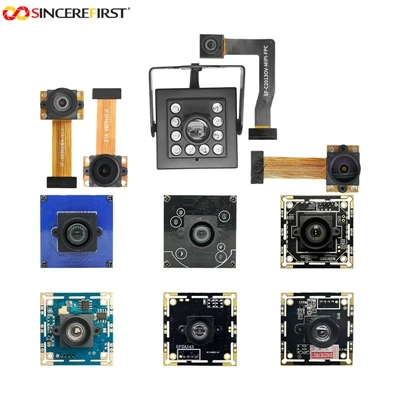
For embedded designs, MIPI can reduce board-level footprint, while USB can simplify multi-camera prototypes. The host must be checked for lane count, USB bandwidth and simultaneous stream capacity.

Thermal and maintenance constraints are easy to overlook
Cameras mounted inside a refrigerated cabinet or near power electronics experience different temperatures from open retail shelves. Condensation, heat and cleaning chemicals may affect the enclosure window. A camera hidden behind a product rail may also be difficult to service.
The validation plan should include full cabinet lighting, loaded shelves, moving hands, repeated door cycles and worst-case thermal conditions. A successful bench demo with one product in front of one camera is not representative of retail deployment.
Example: multi-camera checkout event
Suppose a vending cabinet uses three cameras: one overview camera and two shelf cameras. A customer opens the door, moves several products and closes it. The system must associate hand motion with product regions across the three views. In this case, timestamp consistency, overlapping coverage and stable exposure may be more valuable than maximizing each camera's resolution.
The camera architecture should be evaluated with the event-recognition pipeline, not as three independent video streams.
Calibration strategy should influence mounting
If software relies on fixed shelf coordinates or multi-camera geometry, the camera mounts must be repeatable after assembly and service. A module that can rotate slightly in a loose clip may invalidate calibration. Mechanical datums and field replacement procedures therefore become part of the vision accuracy budget.
FAQ
Is one 4K wide-angle camera better than several lower-resolution cameras?
Not necessarily. Multiple cameras can provide more uniform coverage and less distortion or occlusion. Compare pixels per product zone, blind spots, cost and integration complexity.
Do smart shelves need global shutter?
Only if motion and geometry requirements justify it. Short exposure and stable lighting may be sufficient for many event-detection systems, while faster motion or measurement can favor global shutter.
What should a retail vision sample test include?
Use real products, packaging, shelf materials, lighting, user hands and the final camera positions. Test the worst product locations, not only the center of the frame.


