


Introduction
In today's digital era, CMOS image sensors have become indispensable core components in fields such as smartphones, security surveillance, automotive electronics, and medical devices. However, the performance of a sensor chip depends not only on its own design and manufacturing but also critically on the packaging process. Packaging protects the fragile chip from external environmental factors (like dust, moisture, and mechanical stress) and is responsible for establishing electrical connections and thermal management between the chip and the external circuit. It directly affects the sensor's performance, size, cost, and reliability.
Among the many packaging technologies, CSP, COB, and PLCC are three mainstream processes applied in the CMOS sensor field. Each has its unique process flow, technical characteristics, and application scenarios. This article will provide an in-depth analysis of these three packaging methods, helping readers fully understand their differences and selection criteria through comparative analysis.
I. Detailed Explanation of Packaging Processes
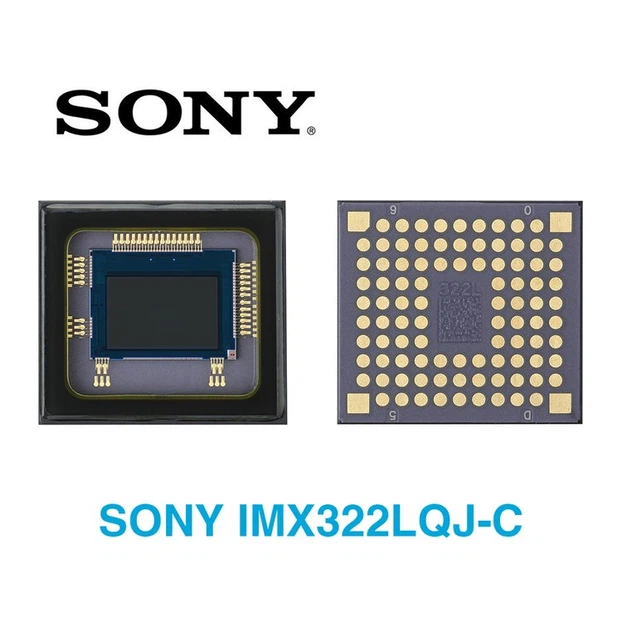
1. CSP - Chip Scale Package
CSP stands for Chip Scale Package. As the name implies, its key feature is that the package size is nearly identical to the core size of the chip itself. By standard, the ratio of the core area to the package area typically does not exceed 1:1.1.
Process Flow:
CSP is a packaging form processed at the wafer level. The basic process involves directly processing the microlenses and color filters (if needed) on the completed circuit wafer, followed by forming a ball grid array through a bumping process, and finally dicing the wafer into individual sensor units. In camera module manufacturing, sensors using CSP packaging are typically mounted directly onto the PCB using SMT placement machines.
2. COB - Chip On Board
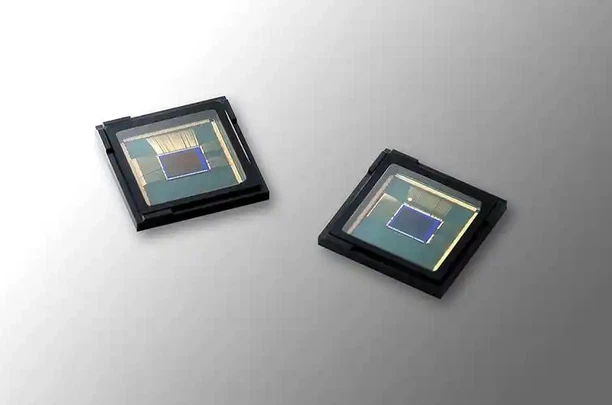
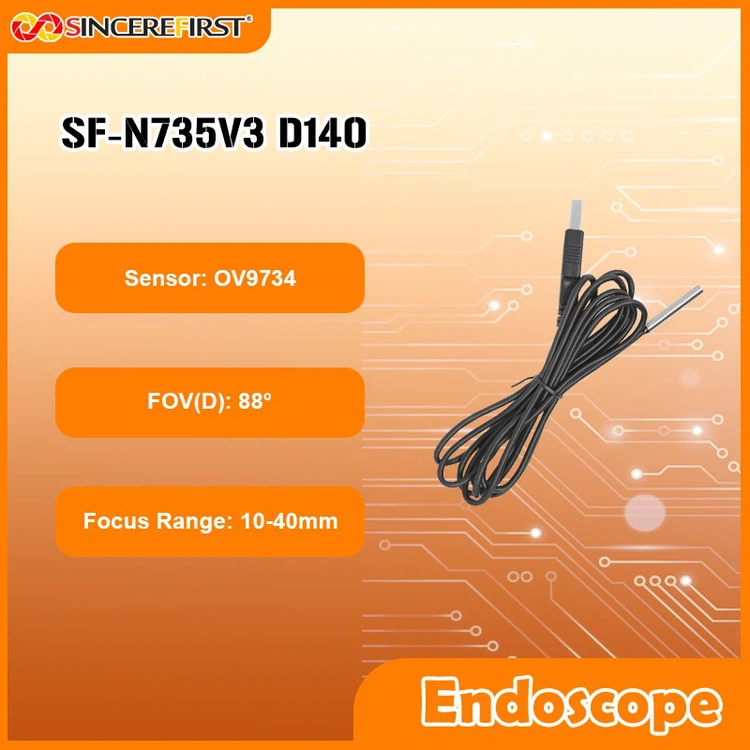
COB stands for Chip On Board. This is a packaging technology where the bare die is directly mounted and electrically connected to the final circuit board.
Process Flow:
The COB process is more complex, primarily conducted at the individual chip level, and usually requires a Class 1000 or even Class 100 cleanroom.
- Die Attach: The diced bare chip (Die) is attached to the designated location on the PCB using thermally conductive epoxy resin (e.g., silver paste).
- Curing: The silver paste is cured by heating, firmly securing the chip.
- Wire Bonding: Using gold or aluminum wires, the pads on the chip are connected to the corresponding pads on the PCB through thermocompression bonding, ultrasonic welding, or thermosonic welding.
- Testing and Sealing: Preliminary electrical testing is performed. A special black epoxy or resin is then dispensed to cover the chip and gold wires for protection. This is followed by final curing and ultimate testing.
3. PLCC - Plastic Leaded Chip Carrier
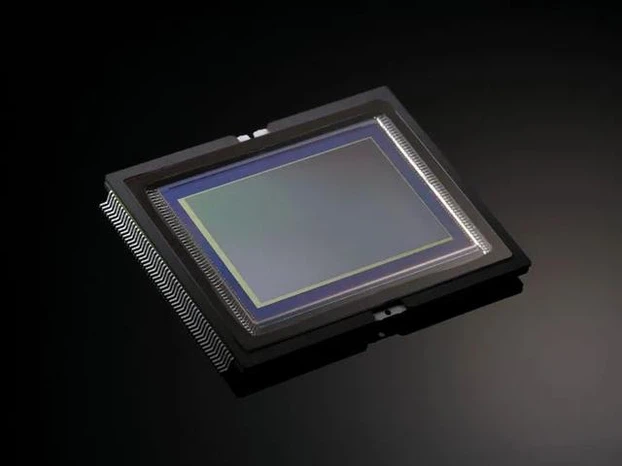
PLCC stands for Plastic Leaded Chip Carrier. It is an older type of surface-mount package where the leads extend from all four sides of the package body and bend downward in a "J"-lead configuration.
Process Flow:
- PLCC packaging involves pre-packaging the chip to form an independent component with a standard shape and pins.
- The chip is attached to a lead frame.
- Internal electrical connections are made through wire bonding.
- The assembly is molded and encapsulated with plastic material.
- The formed PLCC sensor, as a standard component, is mounted onto the PCB using reflow soldering.
II. Comparative Table of Core Characteristics
| Comparison Dimension |
CSP Packaging
|
PLCC Packaging
|
COB Packaging
|
| Package Structure | Bracket-free, direct chip packaging | Plastic package body + J-shaped pins + lead frame | Bare chip directly mounted on PCB, wire bonding + potting |
| Size | Smallest (about 1.2 times the chip size) | Medium (smaller than DIP, larger than CSP) | Small (no independent package body, lowest height) |
| Pin Characteristics | No exposed pins, connected via bumps | J-shaped inwardly curved, 18-84 pins | No independent pins, connected via bonding wires |
| Packaging Cost | Relatively high (complex process, unit price 3-5 times that of SMD) | Medium (balanced material and process costs) | Lowest (eliminates bracket and independent packaging processes) |
| Heat Dissipation Performance | Good (thin packaging layer, high thermal conductivity) | Average (thermal resistance exists in the plastic package body) | Good (direct contact between chip and PCB) |
| Reliability | Medium (average impact resistance, susceptible to contamination) | Relatively high (plastic packaging + lead frame protection, good mechanical strength) | Medium (potting protection, low dead pixel rate but vulnerable to hard impact) |
| Maintainability | Relatively easy (reworkable for surface contamination) | Relatively easy (pins easy to disassemble, convenient for rework) | Extremely difficult (bare chips cannot be replaced individually after potting) |
| Application | Miniaturized, high-performance devices | Medium-complexity circuits, traditional electronic equipment | Cost-sensitive scenarios with loose size requirements |
III. Detailed Advantages and Disadvantages of Each Packaging Method
CSP Packaging
Advantages:
- Ultra-compact size supports the miniaturization of terminal devices, especially suitable for micro cameras in mobile phones, smart watches, etc., minimizing the sensor size and saving space for lens modules.
- Excellent electrical performance: Short interconnection paths reduce signal loss and improve data transmission speed.
- Good heat dissipation efficiency: The thin packaging layer and no bracket obstruction facilitate heat dissipation from the sensor.
Disadvantages:
- High process precision requirements result in significantly higher packaging costs than the other two methods.
- Poor light transmittance: The glass protective surface may cause ghosting due to backlight penetration, affecting the imaging quality of CMOS sensors.
- Weak contamination resistance: Although reworkable, it still has certain requirements for the production environment.
PLCC Packaging
Advantages:
- High reliability: The combination of plastic package body and metal lead frame provides excellent impact and vibration resistance.
- Convenient installation and rework: J-shaped pins facilitate reflow soldering and are easy to disassemble.
- Stable signal performance: Reasonable pin pitch reduces crosstalk between pins, suitable for medium-speed signal transmission.
Disadvantages:
- Large package size makes it unable to meet the miniaturization needs of micro CMOS sensors.
- Limited pin density, making it difficult to adapt to complex sensor chips with a high number of pins.
- Average heat dissipation performance: The low thermal conductivity of plastic materials makes it unsuitable for high-power sensors.
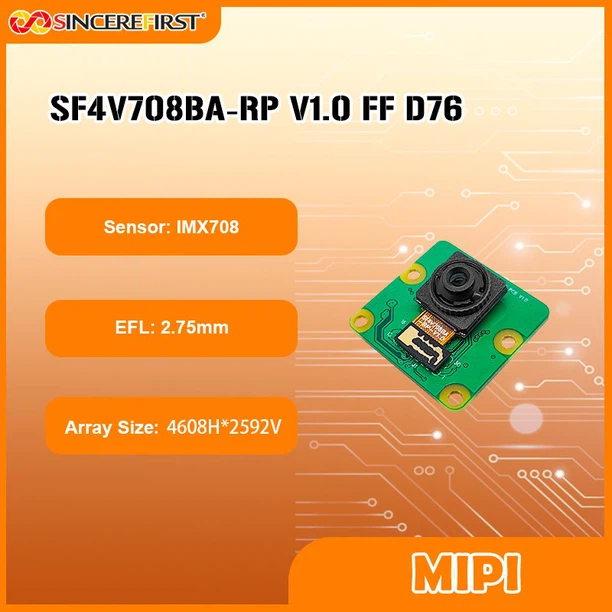

COB Packaging
Advantages:
- Significant cost advantage: Eliminates brackets and independent packaging processes, resulting in the lowest material and process costs.
- Lowest packaging height, contributing to the overall thinness of the module and suitable for devices sensitive to thickness.
- Mature process and high integration: Supports multi-chip co-substrate packaging, with a dead pixel rate controllable within 5 per 100,000.
Disadvantages:
- Extremely poor maintainability: Bare chips cannot be replaced individually after potting, requiring the entire substrate to be replaced in case of failure.
- Strict requirements for the production environment: PCB mounting requires dust and moisture prevention, as bare chips are susceptible to contamination.
- Long process time and large fluctuations in yield rate, requiring strict process control.
IV. Specific Differences in CMOS Sensors

1. Size and Form Adaptability
- CSP packaging is the core choice for the miniaturization of CMOS sensors, especially for micro cameras in portable devices such as mobile phones and smart watches. It can minimize the sensor size and save space for lens modules.
- Due to size limitations, PLCC packaging is only used in a few CMOS sensors with loose size requirements, such as early surveillance cameras or industrial low-resolution sensors, and has been gradually replaced.
- Although COB packaging has the lowest height, it requires reserved space for bonding and potting. It is mostly used in sensor modules sensitive to cost and with loose size restrictions, such as security surveillance and after-market automotive devices.
2. Impact on Imaging Performance
- The glass protective surface of CSP packaging reduces light transmittance, which may affect the sensitivity of CMOS sensors. Optical design optimization is required to offset ghosting.
- The plastic package body and pin layout of PLCC packaging have little interference with light, but the signal path is longer than that of CSP, which may cause signal delay in high-speed imaging sensors.
- COB packaging has no additional packaging layer to block light, theoretically achieving higher light sensitivity. However, bare chips are directly exposed to potting; improper dust prevention can lead to stains on the sensor surface, affecting imaging quality.


3. Process and Cost Control
- CMOS sensors with CSP packaging have short process time and low equipment costs but high chip unit prices. They are suitable for mid-to-high-end flagship devices pursuing extreme performance and size.
- Sensors with PLCC packaging have strong process compatibility and low maintenance costs but higher material costs than COB. They are suitable for industrial sensors with high reliability requirements.
- Sensors with COB packaging have the lowest packaging costs but require large investment in process equipment and face difficulties in yield rate control. They are suitable for mid-to-low-end consumer-grade sensors or mass-produced surveillance equipment.
4. Environmental Adaptability
- CSP-packaged sensors have weak impact resistance and are prone to failure in harsh environments, making them more suitable for indoor normal temperature scenarios.
- PLCC-packaged sensors have good mechanical protection and stable J-shaped pin connections, adapting to moderately harsh environments such as automotive and industrial applications.
- COB-packaged sensors achieve IP65-level protection through potting, with no dead corners in treatment. They have strong resistance to humidity, heat, and salt spray, suitable for complex environments such as outdoor surveillance.

V. CMOS Sensor Packaging Selection Recommendations
1. Consumer electronics (smartphones, smart wearables)
- Core needs: Small size, high pixel, fast data transmission
- Recommend: CSP packaging
- Reason: Fits thin/light design, reduces signal loss for clear high-res images; note: balance cost for mid-low-end products.
2. Security surveillance, low-cost smart home cameras
- Core needs: Low cost, stable long-term use
- Recommend: COB packaging
- Reason: Saves packaging cost, good heat dissipation; note: keep clean to avoid imaging stains.
3. Traditional industrial detection, maintainable equipment
- Core needs: Easy repair, anti-vibration
- Recommend: PLCC packaging (supplementary)
- Reason: Easy to disassemble, durable; note: not for high-pixel/small-sized sensors.
Summary
CSP, COB, and PLCC packaging technologies form the three cornerstones for the application of CMOS image sensors. Each has its own advantages and disadvantages, catering to different market demands and product positioning. CSP, with its compactness and economy, has popularized cameras; COB occupies the high-end market with its excellent performance and reliability; while PLCC has witnessed the development of packaging technology and still plays a role in specific fields.
As technology continues to evolve, more advanced packaging and integration technologies like Flip-Chip and Wafer-Level Optics are also developing. However, understanding these fundamental and mainstream packaging processes-CSP, COB, and PLCC-is crucial for product design, manufacturing, and selection, serving as the key to unlocking the world of CMOS sensor applications.


