


Quick Answer
High resolution alone does not solve image instability when the camera itself is moving.
The SF4X586OISBY combines 48MP imaging, OIS, autofocus and MIPI integration for embedded devices that need detailed image capture while dealing with camera movement or changing target distances.
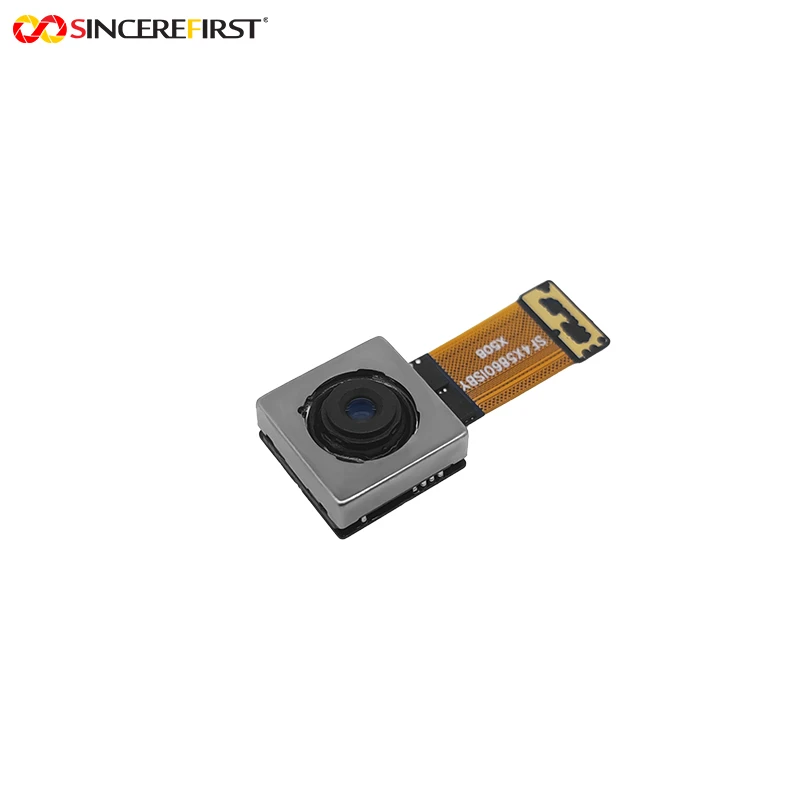
Why OIS Matters in High-Resolution Imaging
A high-resolution camera can capture more detail, but that detail is only useful when the image remains usable.
In handheld equipment, mobile devices or systems exposed to vibration, small camera movements can affect image stability. At the same time, if the target distance changes during operation, a fixed-focus design may not keep the required subject in focus.
This is where the SF4X586OISBY takes a different approach: OIS addresses camera-side movement, while autofocus adapts to changes in target distance.
For projects that need both high image detail and more flexible real-world operation, these functions can be more important than simply increasing resolution.
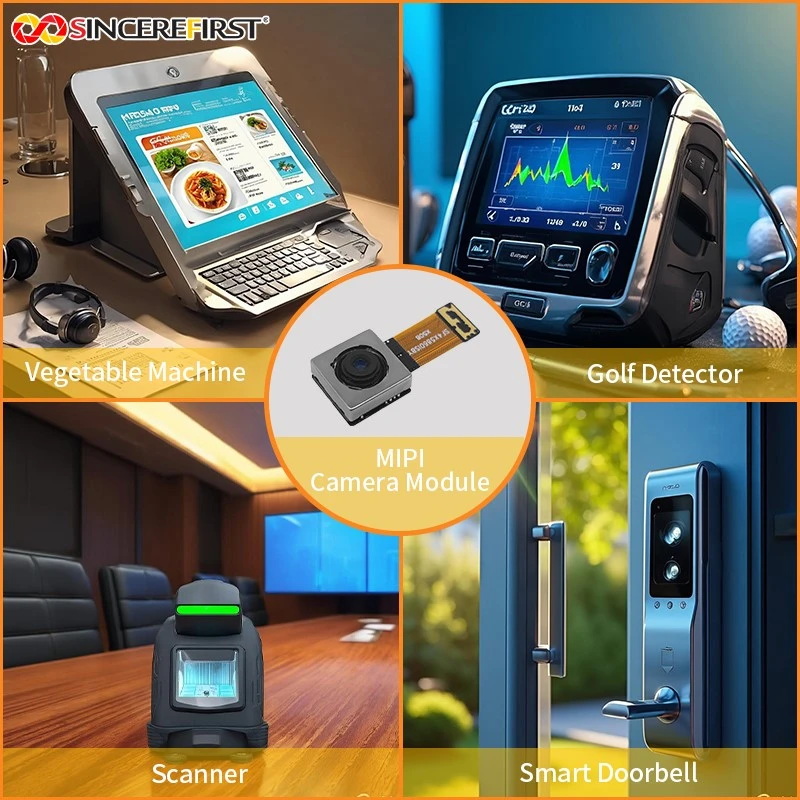
Key Advantages of the SF4X586OISBY
1. OIS for Camera-Side Movement
The module integrates an OIS structure with a gyroscope, allowing the imaging system to respond to movement of the camera itself.
- This can be useful when the camera is:
- Used in a handheld device
- Installed on moving equipment
- Exposed to small vibrations during operation
The value of OIS is not simply "more stable video." It helps protect the usable image detail that a high-resolution sensor is designed to capture.
OIS should also be distinguished from solutions for fast-moving subjects: it mainly addresses camera movement, not motion of the object itself.
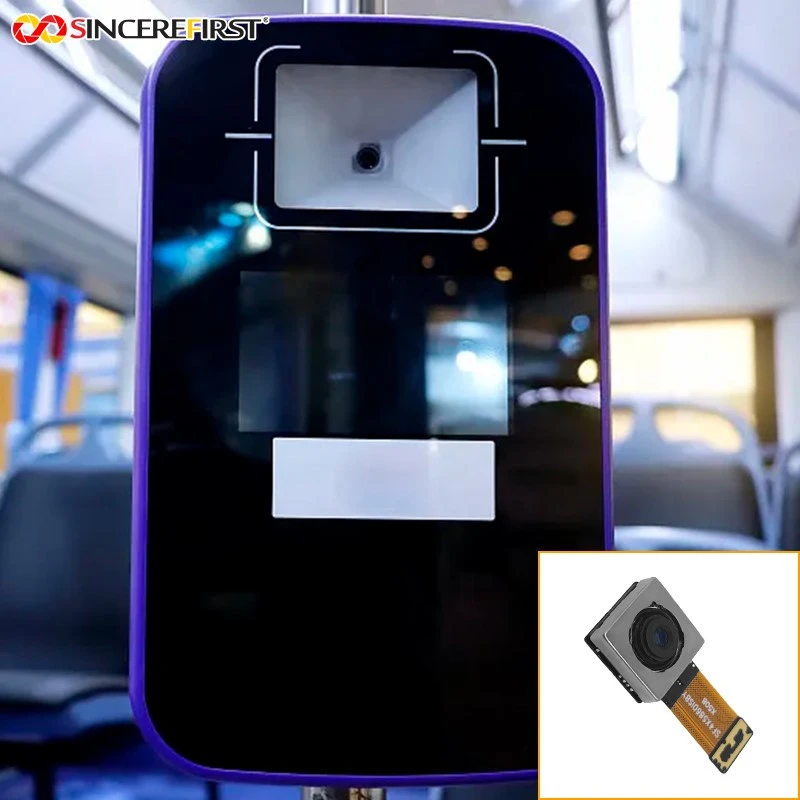
2. Autofocus for Changing Working Distances
Some devices do not operate at one fixed camera-to-target distance.
A handheld inspection device, for example, may move closer to one target and farther from another.
In these situations, autofocus gives the camera more flexibility than a fixed-focus design because the system can adapt when the subject distance changes.
This makes the module more suitable for applications where users or devices cannot keep the camera at one fixed working position.
3. Controlled Field of View for More Target-Focused Imaging
The SF4X586OISBY uses a D79° / H67° field of view with distortion specified below 1%.
Instead of capturing an ultra-wide scene, this viewing range is more suitable when the application needs to keep attention on the main target while still retaining useful surrounding information.
This can benefit applications where:
- The target should occupy a meaningful part of the image
- Excessively wide scene coverage is unnecessary
- Image geometry is important for viewing or analysis
In other words, the design is not simply about seeing "more area," but about capturing the right area with useful detail.
4. MIPI Integration for Embedded Device Development
The module uses a MIPI interface with a 30-pin connector, providing an integration direction for embedded systems where the camera communicates directly with the host processor.
For an actual project, connector type alone does not determine compatibility. The host platform, MIPI configuration, driver, ISP and image output requirements should still be evaluated together.
This is why camera selection should begin with the complete device platform rather than only the camera specification.
Typical Applications
Handheld and Portable Imaging Devices
Handheld products naturally experience small movements during operation.
The combination of OIS and autofocus can be useful when the device needs detailed imaging while both camera position and target distance may change.
Mobile Robots and Intelligent Devices
Cameras installed on moving equipment may experience vibration or platform movement.
OIS can help address camera-side movement, while autofocus provides more flexibility when objects appear at different distances.
Portable Inspection Equipment
Inspection devices may need to examine different targets from different working positions.
High-resolution imaging provides more visual detail, autofocus adapts to changing distances, and the controlled field of view helps concentrate more attention on the inspection area.
Embedded High-Resolution Imaging Systems
For embedded systems that require detailed image capture without an ultra-wide viewing range, the combination of IMX586 imaging, OIS, autofocus and MIPI provides another solution direction for device development.
FAQ
1. Does OIS help when the object itself is moving quickly?
OIS mainly compensates for movement of the camera.
If the target itself moves quickly, factors such as exposure time, frame rate and shutter characteristics should also be evaluated.
2. Why combine OIS and autofocus?
They solve different problems.
OIS addresses camera movement, while autofocus addresses changes in target distance.
A device that experiences both conditions may benefit from having both functions.
3. When should I choose this module instead of a fixed-focus camera?
This module is more relevant when the camera-to-target distance changes during normal operation.
If the camera and target always remain at a known fixed distance, a fixed-focus solution may be simpler and more cost-effective.
4. What information should I provide before requesting a sample?
To evaluate whether this module fits your project, it is helpful to provide:
- Device application
- Whether the camera moves or vibrates
- Target distance range
- Required viewing area
- Host platform
- Available camera installation space
This allows the camera, lens, autofocus and interface requirements to be evaluated together.
Need to Evaluate an OIS Camera Module for Your Device?
If your project requires high-resolution image capture but the camera cannot remain completely stationary or the target distance changes during use, share your device application, working distance and host platform with us.
We can help evaluate whether the SF4X586OISBY configuration fits your imaging and integration requirements.


