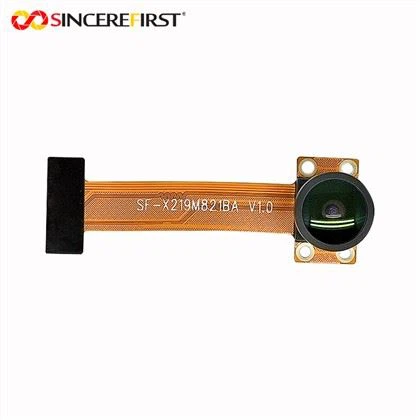
Yo, what's up everyone! I'm a supplier of USB 2.0 camera modules, and I've been in this game for a while. Today, I wanna have a real talk about the disadvantages of using a USB 2.0 camera module.
First off, let's get into the speed issue. USB 2.0 has a maximum theoretical transfer speed of 480 Mbps. Sounds fast, right? Well, in the real world, it's not always that peachy. When you're using a high - resolution camera module, like the OV5640 5MP USB Camera Module, the data transfer can be a bottleneck. This 5MP camera captures a good amount of data, and USB 2.0 might struggle to keep up. You might notice some lag when you're trying to stream high - quality video in real - time. For example, if you're using it for a live video conference in a high - definition setting, the video could stutter or freeze. This is because the USB 2.0 interface can't transfer the large amount of data from the camera to the computer fast enough.
Another thing is the power delivery. USB 2.0 ports can only supply a limited amount of power, typically around 2.5 watts. Some camera modules, especially those with advanced features like autofocus, need more power to operate smoothly. Take the 8MP Sony IMX179 Auto Focus AF USB Camera Module for instance. The autofocus mechanism requires a certain amount of power to adjust the lens and focus on the subject accurately. With the limited power from a USB 2.0 port, the autofocus might not work as well as it should. It could be slower to focus, or in some cases, it might not focus at all. This can be a real pain if you're trying to take sharp, clear pictures or record high - quality videos.
When it comes to compatibility, USB 2.0 is an older standard. Newer operating systems and devices are more optimized for USB 3.0 and later versions. You might run into compatibility issues when trying to use a USB 2.0 camera module with the latest laptops or tablets. Some of these new devices might not have USB 2.0 ports at all, or they might have limited support for it. For example, the device might not recognize the camera module properly, or you might have to install additional drivers to get it working. And let's face it, not everyone is tech - savvy enough to deal with driver installations.


Now, let's talk about the lack of bandwidth for multi - stream applications. If you're planning to use multiple camera modules simultaneously, USB 2.0 just won't cut it. Each camera module needs a certain amount of bandwidth to transfer its data, and USB 2.0 simply doesn't have enough to support multiple streams. For example, if you're setting up a security system with multiple cameras, and you try to use USB 2.0 camera modules, you'll likely experience a significant drop in performance. The video quality will degrade, and you might miss out on important details.
The resolution capabilities of USB 2.0 camera modules are also somewhat limited. While there are high - megapixel camera modules available, like the 50MP Sony IMX766, the USB 2.0 interface can't fully utilize their potential. The high - resolution images and videos captured by these cameras have a large amount of data, and USB 2.0 can't transfer it quickly enough without sacrificing quality. So, even though you have a high - megapixel camera, you might not be able to get the best - looking pictures or videos because of the USB 2.0 limitation.
However, it's not all bad. USB 2.0 camera modules still have their place. They're generally more affordable than their USB 3.0 counterparts, and they can be a good option for basic applications where high - speed data transfer and advanced features aren't crucial. For example, if you're just using a camera module for simple surveillance in a small area, or for taking occasional pictures for personal use, a USB 2.0 camera module can do the job.
But if you're looking for high - performance, real - time video streaming, smooth autofocus, and the ability to use multiple cameras or high - resolution capabilities, you might want to consider upgrading to a USB 3.0 or later camera module.
If you're still interested in our USB 2.0 camera modules, we're here to help. Whether you have questions about the products, need advice on which module is right for your application, or you're ready to place an order, feel free to reach out. We can have a detailed discussion about your requirements and see how our products can fit your needs.
References:
- General knowledge about USB standards and camera module technology.
- Product specifications of OV5640 5MP USB Camera Module, 8MP Sony IMX179 Auto Focus AF USB Camera Module, and 50MP Sony IMX766.