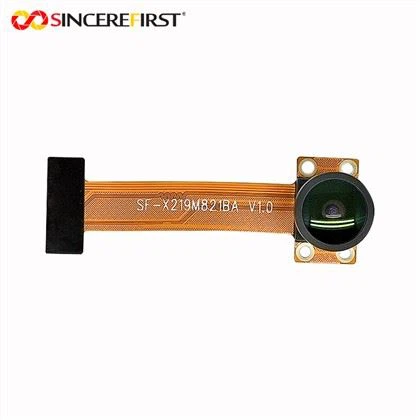
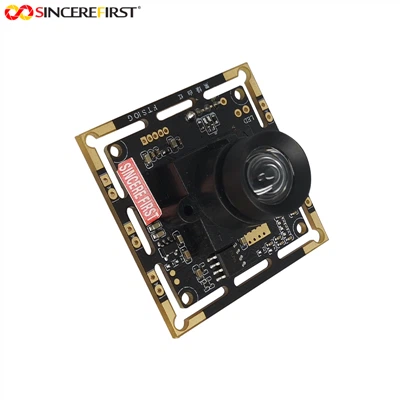
Hey there! As a supplier of Cmos Camera Modules, I often get asked about the storage capacity of the images taken by these modules. It's a crucial question, especially for those who are looking to use these cameras for various applications, whether it's for security, surveillance, or even just for personal use.
Let's start by understanding what a Cmos Camera Module is. CMOS, or Complementary Metal-Oxide-Semiconductor, is a type of image sensor technology used in digital cameras. These modules are known for their low power consumption, high image quality, and relatively low cost compared to other sensor technologies. They're used in a wide range of devices, from smartphones to security cameras.
Now, the storage capacity of the images taken by a Cmos Camera Module depends on several factors. The first and most obvious one is the resolution of the camera. Higher resolution cameras capture more details, which means the images will be larger in size. For example, a camera with a resolution of 1080p (1920 x 1080 pixels) will take larger images than a camera with a resolution of 720p (1280 x 720 pixels).
Another factor that affects the storage capacity is the image format. Different image formats have different levels of compression. For instance, JPEG is a widely used format that uses lossy compression, which means some data is lost during the compression process to reduce the file size. On the other hand, RAW format captures all the data from the sensor without any compression, resulting in much larger file sizes.
Let's take a look at some of the popular Cmos Camera Modules in the market and their storage requirements.

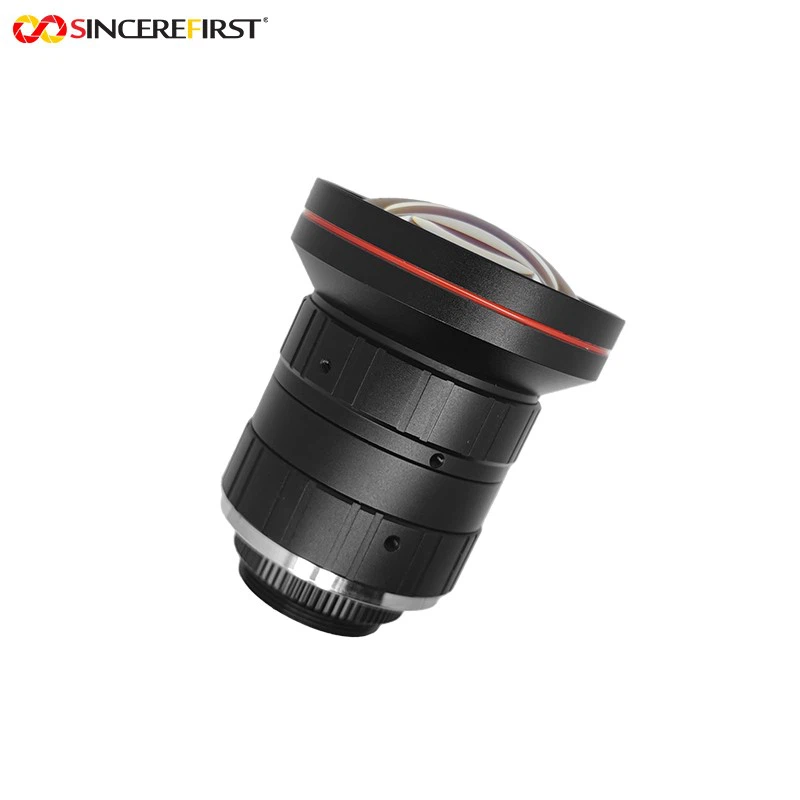
First up, we have the Sony Imx219. This module is widely used in many smartphones and other consumer devices. It has a resolution of 8 megapixels, which means it can capture images with a size of around 3264 x 2448 pixels. Depending on the image format and the level of compression, the file size of an image taken by the Sony Imx219 can range from a few hundred kilobytes to a few megabytes.
Next, we have the BF314ACS CMOS Camera Module. This module is designed for applications that require high-quality images, such as security cameras and industrial inspection systems. It has a high-resolution sensor that can capture images with a size of up to 1920 x 1080 pixels. The file size of the images taken by this module will also depend on the image format and compression, but generally, it will be larger than the images taken by the Sony Imx219 due to its higher resolution.
Finally, let's talk about the Low Light 8mp Sony IMX585 Sensor Starvis HDR Camera Module. This module is specifically designed for low-light environments, making it ideal for security cameras that need to capture clear images at night. It has an 8-megapixel sensor and uses advanced HDR (High Dynamic Range) technology to capture images with a wide range of light intensities. The file size of the images taken by this module will be similar to the Sony Imx219, but the quality will be much better, especially in low-light conditions.
So, how do you calculate the storage capacity you need for your Cmos Camera Module? Well, it's pretty simple. First, determine the resolution of your camera and the image format you'll be using. Then, estimate the number of images you'll be taking per day or per month. Multiply the file size of each image by the number of images, and you'll get an estimate of the total storage capacity you need.
For example, let's say you have a camera with a resolution of 1080p and you're using the JPEG format with a medium level of compression. The file size of each image might be around 2 megabytes. If you're planning to take 100 images per day, you'll need 200 megabytes of storage per day. Multiply that by 30 days, and you'll need 6 gigabytes of storage per month.
It's also important to consider the storage medium you'll be using. You can use internal storage, such as a hard drive or a solid-state drive, or you can use external storage, such as a USB flash drive or a cloud storage service. Each option has its own advantages and disadvantages, so choose the one that best suits your needs.
In conclusion, the storage capacity of the images taken by a Cmos Camera Module depends on several factors, including the resolution of the camera, the image format, and the level of compression. By understanding these factors, you can estimate the storage capacity you need and choose the right storage medium for your needs.
If you're interested in purchasing a Cmos Camera Module or have any questions about the storage capacity or other technical details, feel free to reach out to us. We're here to help you find the right solution for your needs.
References:
- Camera technology textbooks
- Manufacturer's specifications for Cmos Camera Modules