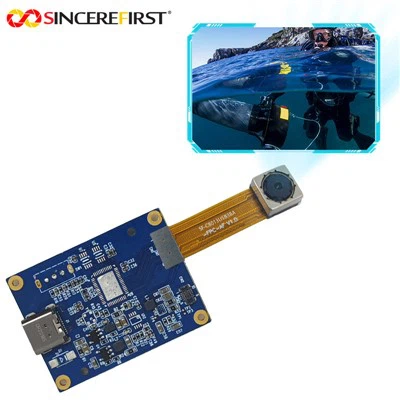
Yo, what's up, photography enthusiasts! As a supplier of 2MP camera modules, I often get asked this burning question: "Can a 2MP camera module be used for artistic photography?" Well, let's dive right into it and find out.
First off, let's talk about what a 2MP camera module actually means. The "2MP" stands for two megapixels. In simple terms, it refers to the resolution of the camera. A 2MP camera can capture images with around 2 million pixels. Now, compared to the high - end cameras we see today that can go up to 50MP or even more, 2MP might seem like peanuts. But don't be so quick to write it off!
The Charm of Low - Resolution Art
In the world of art, sometimes less is more. Low - resolution images have a unique aesthetic that can't be replicated by high - res counterparts. The grainy texture, the softness of the edges, and the overall dreamy quality can add a touch of nostalgia and a raw, authentic feel to your photos.
Think about the old - school film cameras. They didn't have the insane resolutions we have now, yet they produced some of the most iconic and artistic images in history. The limitations of a 2MP camera module can force you to be more creative. You can't rely on the high - res details to make your photo stand out. Instead, you have to focus on composition, lighting, and the story behind the shot.
Composition is King
When you're working with a 2MP camera module, composition becomes your best friend. Since you don't have the luxury of zooming in and capturing every tiny detail, you need to get it right in the frame from the start. You have to think about the rule of thirds, leading lines, and how to create a balanced and visually appealing image.
For example, if you're taking a portrait, you can use the background to add context and interest. You might place your subject off - center, using the empty space to create a sense of tension or mystery. With a 2MP camera, you can't just crop out the bad parts later, so every element in the frame matters.


Lighting Magic
Lighting is another crucial aspect of artistic photography, and a 2MP camera module is no exception. In fact, the low resolution can make lighting effects even more pronounced. Soft, diffused light can create a gentle, romantic atmosphere, while harsh, direct light can add drama and contrast.
You can experiment with different lighting sources, like natural light from a window, or artificial light from candles or fairy lights. The key is to use light to highlight your subject and create a mood. For instance, a side - lit portrait can bring out the contours of the face, adding depth and dimension to the image.
Subject Matter
The type of subject matter you choose can also play a big role in whether a 2MP camera module can work for artistic photography. Some subjects are better suited to the low - resolution aesthetic than others.
Landscapes, for example, can look amazing with a 2MP camera. The broad strokes of the scenery, the rolling hills, and the vast skies can be captured in a way that gives a sense of grandeur and simplicity. The lack of fine details can actually enhance the overall mood of the landscape, making it feel more like a painting.
Similarly, abstract subjects can be great for a 2MP camera. You can use shapes, colors, and patterns to create visually interesting images without relying on high - res details. For example, a close - up of a flower petal, with its soft colors and delicate curves, can be transformed into a beautiful abstract image with the right composition and lighting.
Limitations and Challenges
Of course, it's not all sunshine and rainbows. There are definitely some limitations to using a 2MP camera module for artistic photography. One of the biggest challenges is the lack of detail. If you're trying to capture a complex scene with lots of small elements, the 2MP camera might not be able to do it justice.
Printing is also an issue. Since the resolution is relatively low, large - print sizes may result in pixelation and a loss of quality. You'll probably be limited to smaller prints, like postcards or small frames.
Another limitation is the dynamic range. A 2MP camera module might struggle to capture a wide range of tones, from bright highlights to dark shadows. This means that you might have to be more careful with exposure settings to avoid overexposed or underexposed areas in your photos.
Comparing with Higher - Resolution Options
Now, let's take a quick look at some of our other camera modules. We also offer the Free Drive Snoy 8MP IMX415 Wifi Board CMOS Machine Vision System Camera Module. With 8 megapixels, it provides a much higher resolution, allowing for more detailed images, better for capturing fine textures and intricate details.
The 4MP Sony IMX347 HDR Color Fixed Focus USB Camera Module offers 4 megapixels and has the advantage of HDR (High - Dynamic Range). This means it can handle a wider range of tones, making it great for scenes with both bright and dark areas.
And then there's the 8mp External Trigger Webcam Android Waterproof Inspection USB2.0 Camera Module. It's not only high - resolution but also has features like external triggering and waterproofing, which can be useful for specific types of photography, like underwater or industrial inspection shots.
Conclusion and Call to Action
So, can a 2MP camera module be used for artistic photography? Absolutely! While it has its limitations, it also offers a unique aesthetic and a chance to be creative in ways that high - res cameras might not allow. Whether you're a beginner looking to experiment with different techniques or an experienced photographer wanting to try something new, a 2MP camera module can be a valuable addition to your toolkit.
If you're interested in checking out our 2MP camera modules or any of our other products, we'd love to talk to you. Reach out to us for a chat about your photography needs, and let's see how we can help you capture those amazing artistic moments.
References
- Understanding Camera Resolution - Photography Basics Handbook
- The Art of Low - Resolution Imaging - Photography Journal
- Composition Techniques for Digital Cameras - Photography Guidebook