Hey there! As a supplier of 4K USB camera modules, I often get asked a bunch of questions from customers. One question that pops up quite a bit is, "Does a 4K USB camera module support burst shooting?" Well, let's dig into this topic and find out.
First off, let's understand what burst shooting is. Burst shooting, also known as continuous shooting, is a feature that allows a camera to take multiple photos in quick succession. It's super handy for capturing fast - moving objects, like a bird in flight or a sports event. When you press the shutter button, instead of just taking one photo, the camera keeps taking photos until you release the button or it runs out of buffer space.
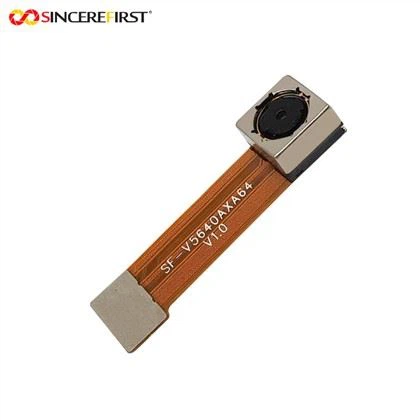
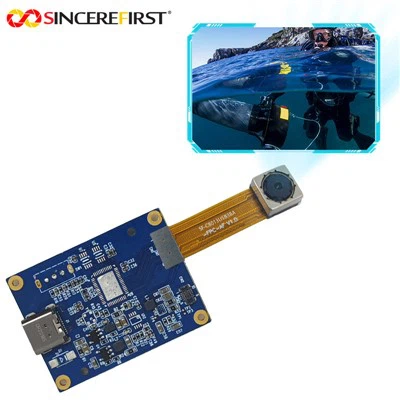
Now, let's talk about 4K USB camera modules. These are high - resolution camera modules that connect to your device via a USB port. They're used in a wide range of applications, from industrial inspection to video conferencing and even in some consumer electronics.
The ability of a 4K USB camera module to support burst shooting depends on several factors. One of the main factors is the sensor. Different sensors have different read - out speeds and processing capabilities. For example, the High - Resolution & High - Performance Sony IMX283 Sensor USB 2.0 Camera Module is equipped with the Sony IMX283 sensor. This sensor is known for its high performance and relatively fast read - out speed. In many cases, camera modules with such high - end sensors can support burst shooting to some extent.
Another factor is the USB interface. USB 2.0 and USB 3.0 have different data transfer speeds. USB 2.0 has a maximum transfer rate of 480 Mbps, while USB 3.0 can go up to 5 Gbps or even higher in the latest versions. If a 4K USB camera module uses a USB 2.0 interface, the data transfer speed might be a bottleneck for burst shooting. With a large number of high - resolution 4K images, it might not be able to transfer the data quickly enough to the connected device, resulting in slower burst shooting speeds or even buffer overflows.
Let's take the Mini 48MP Sony IMX586 Color Sensor 4K USB2.0 Camera Module as an example. While it has a high - resolution 48MP sensor capable of capturing great 4K images, the USB 2.0 interface might limit its burst shooting performance. On the other hand, if the same module had a USB 3.0 interface, it would potentially be able to transfer the large amounts of data generated during burst shooting much faster.
The camera's internal buffer also plays a crucial role. A larger buffer can store more images before they need to be transferred to the connected device. So, a 4K USB camera module with a big buffer is more likely to support a longer burst of photos. For instance, some industrial - grade 4K USB camera modules are designed with large buffers to handle burst shooting in high - speed inspection applications.


Now, let's look at a different type of camera module, the 1mp Monochrome Global Shutter Camera Module. Although it has a lower resolution compared to the 4K modules, its global shutter feature can be beneficial for burst shooting. Global shutters capture the entire image at once, which is great for freezing fast - moving objects during a burst of photos. However, the lower resolution also means that the data size per image is smaller, so it might be easier to transfer multiple images during burst shooting, even with a USB 2.0 interface.
In general, many 4K USB camera modules do support burst shooting, but the performance can vary widely. Some high - end models with fast sensors, high - speed USB interfaces, and large buffers can achieve impressive burst shooting speeds, taking multiple 4K images in a fraction of a second. However, more budget - friendly or entry - level 4K USB camera modules might have limitations in terms of the number of photos they can take in a burst or the speed at which they can do it.
If you're in the market for a 4K USB camera module and burst shooting is an important feature for you, here are a few things to consider. First, check the specifications of the camera module. Look for details about the sensor, the USB interface, and the buffer size. Second, read reviews from other users. They can give you real - world insights into how well the camera module performs during burst shooting. Third, if possible, ask for a sample. This way, you can test the camera module yourself and see if it meets your requirements.
As a supplier, I'm always here to help you find the right 4K USB camera module for your needs. Whether you're a professional photographer looking for a high - performance module for action shots or an industrial engineer needing a reliable camera for inspection tasks, we have a range of products to choose from.
If you're interested in learning more about our 4K USB camera modules or want to discuss your specific requirements, feel free to reach out. We can have a detailed chat and figure out the best solution for you.
References:
- General knowledge about camera technology and USB interfaces.
- Product specifications of the mentioned camera modules.