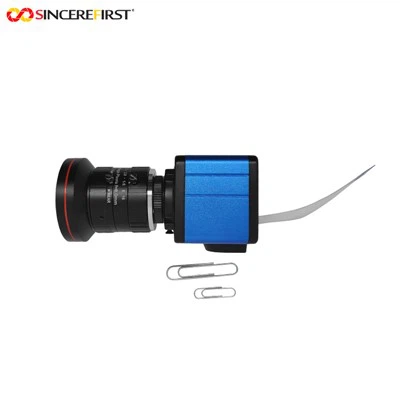
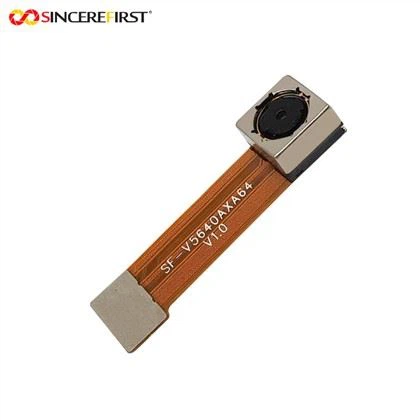
In the dynamic landscape of imaging technology, the demand for high - quality camera modules has been on a steady rise. As a leading supplier of 4K USB camera modules, I often encounter a common question from our customers: Does a 4K USB camera module support multiple resolutions? In this blog post, I will delve into this topic, exploring the technical aspects, benefits, and practical implications of multi - resolution support in 4K USB camera modules.
Technical Capabilities of 4K USB Camera Modules
To understand whether a 4K USB camera module can support multiple resolutions, we first need to look at the underlying technology. A 4K camera module is designed to capture images and videos at a resolution of 3840×2160 pixels, which offers a high - definition and detailed visual experience. However, most modern 4K USB camera modules are equipped with advanced image sensors and processing chips that allow them to support multiple resolutions.
The image sensor in a 4K USB camera module is the heart of the device. It captures light and converts it into digital signals. Many high - end sensors have the ability to downsample the captured data to achieve lower resolutions. For example, a 4K sensor can be configured to output at 1080p (1920×1080 pixels) or 720p (1280×720 pixels) by simply reducing the number of pixels read out from the sensor.
The processing chip in the camera module also plays a crucial role. It is responsible for processing the raw data from the image sensor, applying various algorithms for image enhancement, and encoding the data into a suitable format for transmission over the USB interface. A powerful processing chip can handle different resolutions efficiently, ensuring smooth and high - quality output at each resolution level.


Benefits of Multi - Resolution Support
Flexibility in Application
One of the main advantages of a 4K USB camera module supporting multiple resolutions is the flexibility it offers in different applications. For instance, in industrial inspection, a high - resolution 4K image may be required for detailed analysis of small components. However, during routine monitoring, a lower resolution such as 1080p or 720p may be sufficient, which can reduce the data transfer and storage requirements.
Compatibility with Different Systems
Not all systems are capable of handling 4K data. Some older computers or software may have limitations in terms of processing power or memory. By supporting multiple resolutions, a 4K USB camera module can be used with a wider range of systems. For example, a 4K camera can be set to 1080p when used with an older computer, ensuring compatibility and smooth operation.
Bandwidth Management
Transmitting 4K data requires a high - speed USB interface and a stable network connection. In situations where bandwidth is limited, such as in a wireless network or a shared network environment, using a lower resolution can significantly reduce the data transfer rate. This allows for more efficient use of the available bandwidth and ensures a reliable connection.
Our Product Offerings
As a supplier of 4K USB camera modules, we understand the importance of multi - resolution support. Our products are designed to provide maximum flexibility and performance. In addition to our 4K camera modules, we also offer a range of other camera modules with different resolutions and features.
For example, we have the 5mp OS05A10 UVC USB Machine Vision Camera Module For Quality Control. This camera module is ideal for quality control applications, offering a 5 - megapixel resolution and UVC compatibility. It can capture high - quality images for detailed inspection of products.
Another product is the 1mp Omnivision OV9281 Sensor Mono Global Shutter Mini USB Camera Module. This module features a mono global shutter sensor, which is suitable for applications that require high - speed imaging and accurate synchronization. It offers a 1 - megapixel resolution and is designed for compact and portable devices.
We also have the 2MP UVC Wide Angle USB2.0 Sensor Endoscope Camera Module. This endoscope camera module is designed for applications such as medical inspection and industrial endoscopy. It provides a 2 - megapixel resolution and a wide - angle view, allowing for detailed inspection in hard - to - reach areas.
Practical Considerations
When using a 4K USB camera module with multiple resolutions, there are some practical considerations to keep in mind.
Image Quality
While a 4K camera module can support lower resolutions, the image quality may vary depending on the downsampling method used. Some downsampling algorithms may result in a loss of detail or introduce artifacts. It is important to choose a camera module with a high - quality downsampling algorithm to ensure good image quality at all resolutions.
Frame Rate
The frame rate of a camera module can also be affected by the resolution. Generally, a higher resolution requires more processing power and data transfer, which may result in a lower frame rate. When using a 4K camera module at a lower resolution, the frame rate may increase, providing smoother video playback.
Power Consumption
Higher resolutions typically require more power to operate. When using a 4K camera module at a lower resolution, the power consumption may be reduced, which can be beneficial for battery - powered devices or applications where power efficiency is important.
Conclusion
In conclusion, most 4K USB camera modules do support multiple resolutions. This feature offers numerous benefits, including flexibility in application, compatibility with different systems, and efficient bandwidth management. As a supplier, we are committed to providing high - quality camera modules that meet the diverse needs of our customers. Whether you need a 4K camera for high - definition imaging or a lower - resolution camera for specific applications, we have the right solution for you.
If you are interested in our products or have any questions about 4K USB camera modules, please feel free to contact us for a detailed discussion and procurement negotiation. We look forward to working with you to find the best imaging solution for your needs.
References
- "Digital Image Processing", Gonzalez and Woods
- "Camera Technology Handbook", various authors