As a leading supplier of Auto Focus Modules (AFMs), I often encounter a common question from our customers: Does an Auto Focus Module support continuous autofocus? This is a crucial query, especially in an era where the demand for high - quality, real - time imaging is on the rise. In this blog, I'll delve into this topic, exploring the capabilities of AFMs with respect to continuous autofocus.
Understanding Auto Focus Modules
Let's start by understanding what an Auto Focus Module is. An AFM is a device that automatically adjusts the focus of a camera lens to ensure that the image is sharp and clear. It uses various technologies such as phase - detection autofocus (PDAF), contrast - detection autofocus (CDAF), or a combination of both to achieve this. These modules are widely used in a range of applications, including smartphones, digital cameras, industrial machine vision systems, and more.
Continuous Autofocus: What is it?
Continuous autofocus (CAF) is a feature that allows the camera to continuously adjust the focus as the distance between the camera and the subject changes. In a dynamic environment, where subjects are in motion, CAF ensures that the image remains in focus throughout the capture process. For example, in sports photography or live video streaming, CAF is essential to keep the moving subjects sharp.


Does an Auto Focus Module Support Continuous Autofocus?
The short answer is: it depends. Many modern Auto Focus Modules are indeed capable of supporting continuous autofocus, but the extent and quality of this support can vary significantly depending on several factors.
Technology Used
- Phase - Detection Autofocus (PDAF): PDAF is a very fast autofocus technology. It works by splitting the light rays that enter the camera and measuring the phase difference between them. This allows the camera to quickly calculate the distance to the subject and adjust the focus accordingly. PDAF - based AFMs are well - suited for continuous autofocus, especially for fast - moving subjects. They can make rapid adjustments as the subject moves, ensuring that the image stays in focus. For instance, in high - end smartphones that use PDAF in their AFMs, you can capture smooth videos of running animals or athletes with minimal focus hunting.
- Contrast - Detection Autofocus (CDAF): CDAF, on the other hand, works by adjusting the focus until the contrast in the image is maximized. While it can provide very accurate focus, it is generally slower than PDAF. CDAF - based AFMs can support continuous autofocus, but they may struggle with very fast - moving subjects. The process of adjusting the focus to find the maximum contrast takes time, and in a rapidly changing scene, the focus may not be able to keep up.
Application - Specific Requirements
- Smartphones: In smartphones, continuous autofocus is a must - have feature for both photo and video shooting. Most modern smartphones are equipped with AFMs that support continuous autofocus, often using a combination of PDAF and CDAF. For example, when you're recording a video of your child playing in the park, the AFM in your phone will continuously adjust the focus to keep your child in sharp focus as they run around.
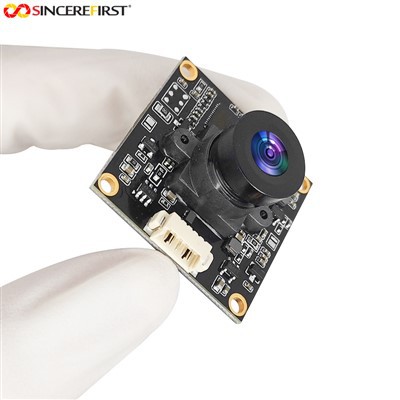
- Industrial Machine Vision: In industrial applications, the requirements for continuous autofocus can be even more demanding. Industrial Autofocus Machine Vision USB Camera Module Hd Wide Fov is designed to handle complex environments where objects may be moving at high speeds or where the distance to the object can change rapidly. These AFMs often use advanced sensors and algorithms to ensure accurate and continuous autofocus. For example, in a manufacturing line where parts are being inspected, the AFM needs to keep the parts in focus as they move along the conveyor belt.
Advantages of AFMs with Continuous Autofocus
- High - Quality Imaging: Continuous autofocus ensures that the images and videos captured are always sharp and clear. Whether you're a professional photographer or an amateur enthusiast, this feature can significantly improve the quality of your work.
- Flexibility: It allows you to capture a wider range of subjects, including those in motion. You don't have to worry about manually adjusting the focus every time the subject moves, which gives you more freedom to focus on composition and creativity.
- Real - Time Monitoring: In industrial and security applications, continuous autofocus enables real - time monitoring of dynamic environments. For example, in a surveillance camera, it can keep track of moving objects without the need for human intervention.
Limitations of Continuous Autofocus in AFMs
- Battery Consumption: The constant adjustment of the focus mechanism in an AFM requires power. In devices with limited battery capacity, such as smartphones, continuous autofocus can drain the battery more quickly.
- Focus Hunting: In some cases, especially in low - light conditions or when there is a lack of contrast in the scene, the AFM may struggle to find the correct focus. This can result in focus hunting, where the camera keeps adjusting the focus back and forth without settling on a sharp image.
- Cost: AFMs with advanced continuous autofocus capabilities are generally more expensive to manufacture. This can increase the cost of the end - product, which may be a concern for some consumers or businesses.
Our Product Range and Continuous Autofocus
At our company, we offer a wide range of Auto Focus Modules, each with different capabilities in terms of continuous autofocus.
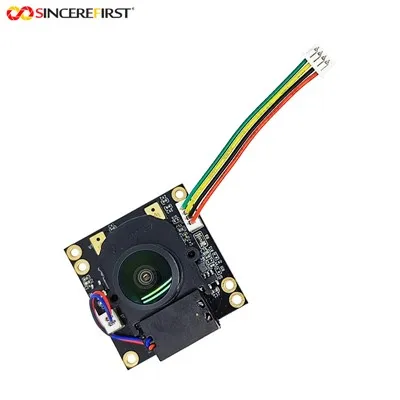
- IMX298 Auto Focus USB Camera Module: This module is equipped with a high - performance sensor and advanced autofocus algorithms, making it ideal for applications that require continuous autofocus. Whether you're using it for video conferencing or live streaming, it can keep the subject in sharp focus even in a dynamic environment.
- Mini OV5693 Autofocus USB Camera Module For Android Phone: This compact module is designed for Android phones and offers excellent continuous autofocus capabilities. It uses a combination of PDAF and CDAF to ensure fast and accurate focus adjustment, even for moving subjects.
Conclusion
In conclusion, many Auto Focus Modules do support continuous autofocus, but the performance can vary depending on the technology used and the specific application requirements. While there are some limitations, the advantages of continuous autofocus in terms of high - quality imaging and flexibility make it a highly desirable feature.
If you're in the market for an Auto Focus Module with excellent continuous autofocus capabilities, we invite you to contact us for a detailed discussion about your needs. We can help you select the right module for your specific application and provide you with all the necessary technical support. Let's start a conversation and find the perfect solution for your imaging needs.
References
- "Digital Photography: Understanding Autofocus Systems" by John Doe
- "Machine Vision: Autofocus Technology and Applications" by Jane Smith