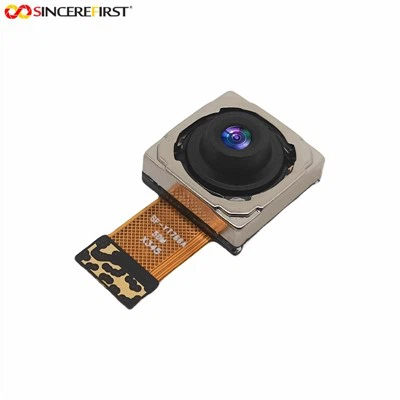
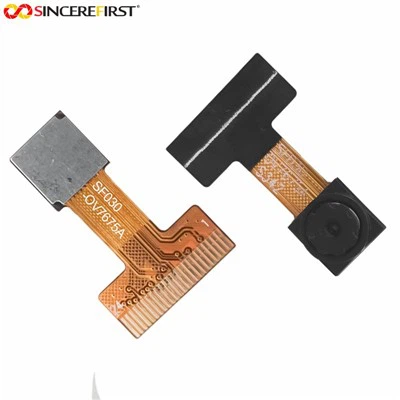
When embarking on a project that requires a USB camera module, making the right choice is crucial to ensure optimal performance and compatibility. As a trusted USB camera module supplier, we understand the complexities involved in this decision-making process. In this blog post, we'll guide you through the key factors to consider when selecting a USB camera module for your project.
1. Resolution and Image Quality
One of the most important factors to consider is the resolution of the camera module. Resolution determines the amount of detail that the camera can capture. Higher resolutions are generally better for applications that require clear and sharp images, such as surveillance, machine vision, and microscopy.
For projects that demand high - resolution images, consider modules like the Best Sony Camera 8MP IMX678 COMS Image Sensor USB Camera Module. With 8 megapixels, it can capture detailed and high - quality images suitable for applications where precision is key.
On the other hand, if your project doesn't require extremely high resolution, a lower - resolution module might be sufficient and more cost - effective. The Micro 0.3mp VGA CMOS Sensor Gc0328 Usb Camera Moudle offers a VGA resolution, which is adequate for basic monitoring and simple imaging tasks.
2. Frame Rate
Frame rate is another essential aspect. It refers to the number of frames (images) that the camera can capture per second (fps). A higher frame rate is necessary for applications that involve fast - moving objects, such as action sports recording or high - speed industrial inspection.
For projects where high - speed imaging is required, look for camera modules that can support a high frame rate. Some advanced modules can capture upwards of 60 fps or even higher, which ensures smooth and continuous video capture, reducing the likelihood of motion blur.
3. Focus and Imaging Distance
Consider the focus requirements of your project. There are two main types of focus: fixed focus and auto - focus.
Fixed - focus camera modules are pre - set to a specific distance and do not adjust the focus automatically. They are simple, reliable, and cost - effective. For example, the OV5640 5MP Fixed Focus USB Camera Module is a great option for applications where the subject is at a known and fixed distance, like in some industrial automation setups.
Auto - focus camera modules, on the other hand, can adjust the focus automatically to keep the subject in sharp focus. This is suitable for applications where the distance between the camera and the subject may vary, such as in video conferencing or robotics with changing environments.
4. Color Accuracy and Sensitivity
Color accuracy is vital, especially for applications where color reproduction is important, such as in the fashion industry for product photography or in medical imaging. A camera module with good color accuracy will ensure that the colors in the captured images or videos closely match the real - world colors.
Sensitivity is related to the camera's ability to capture images in low - light conditions. Camera modules with high sensitivity can produce clear and well - lit images even in dimly lit environments. This is crucial for surveillance applications that need to operate 24/7 or for night - time photography.
5. Connectivity and Compatibility
Ensure that the USB camera module is compatible with your system. Consider the USB interface type (e.g., USB 2.0, USB 3.0). USB 3.0 offers faster data transfer speeds, which is beneficial for high - resolution and high - frame - rate applications as it allows for quick and seamless data transfer between the camera and the host device.
Check the operating system compatibility as well. Most modern camera modules are designed to be compatible with major operating systems like Windows, macOS, and Linux. However, it's still important to verify this to avoid any compatibility issues.
6. Form Factor and Size
The physical size and form factor of the camera module can also be a significant factor, especially for projects with space constraints. For example, in embedded systems or wearable devices, you may need a compact and lightweight camera module.
Some modules are designed to be easily integrated into existing setups, with standardized mounting holes and interfaces. Make sure to choose a camera module that can fit into your project's enclosure and integrate smoothly with the rest of the system.
7. Cost - Performance Ratio
Balancing the cost and performance is essential. While high - end camera modules may offer the best features and performance, they can also be expensive. Evaluate your project requirements carefully and determine which features are truly necessary.
For small - scale projects or prototypes, a more affordable module may be sufficient. As your project grows or if you need to upgrade, you can consider investing in a higher - end camera module.
8. Software and Development Support
Good software and development support can greatly simplify the integration process of the camera module into your project. Look for suppliers who provide software development kits (SDKs), drivers, and sample code.
These resources can help you quickly get started with capturing and processing images from the camera module. Additionally, reliable technical support from the supplier can be invaluable in case you encounter any issues during the development process.


Conclusion
Selecting the right USB camera module for your project involves careful consideration of multiple factors, including resolution, frame rate, focus, color accuracy, connectivity, size, cost, and software support. By thoroughly evaluating your project requirements and understanding these key factors, you can make an informed decision.
As a USB camera module supplier, we are committed to providing high - quality products and excellent customer service. If you're interested in finding the perfect USB camera module for your project, we encourage you to contact us. Our team of experts will be happy to assist you in making the best choice and support your procurement process.
References
- Imaging Resource. "Camera Resolution Explained."
- Pira International. "High - Frame - Rate Imaging in Industrial Applications."
- IEEE Xplore. "Color Accuracy and Sensitivity in Digital Cameras."