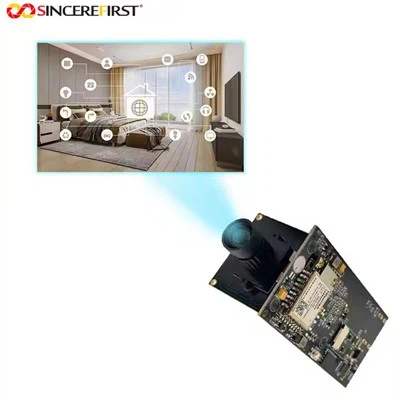
Hey there! As a supplier of 16mp camera modules, I often get asked about the bit depth of these modules. So, I thought I'd take a moment to break it down for you and explain what it means in the world of photography and camera tech.
First off, let's talk about what bit depth actually is. In simple terms, bit depth refers to the number of bits used to represent the color of each pixel in an image. Each bit can have two values, 0 or 1. So, if you have a higher bit depth, you can represent more colors. For example, a 1-bit image can only have two colors (usually black and white), while an 8-bit image can have 256 colors (2 to the power of 8).

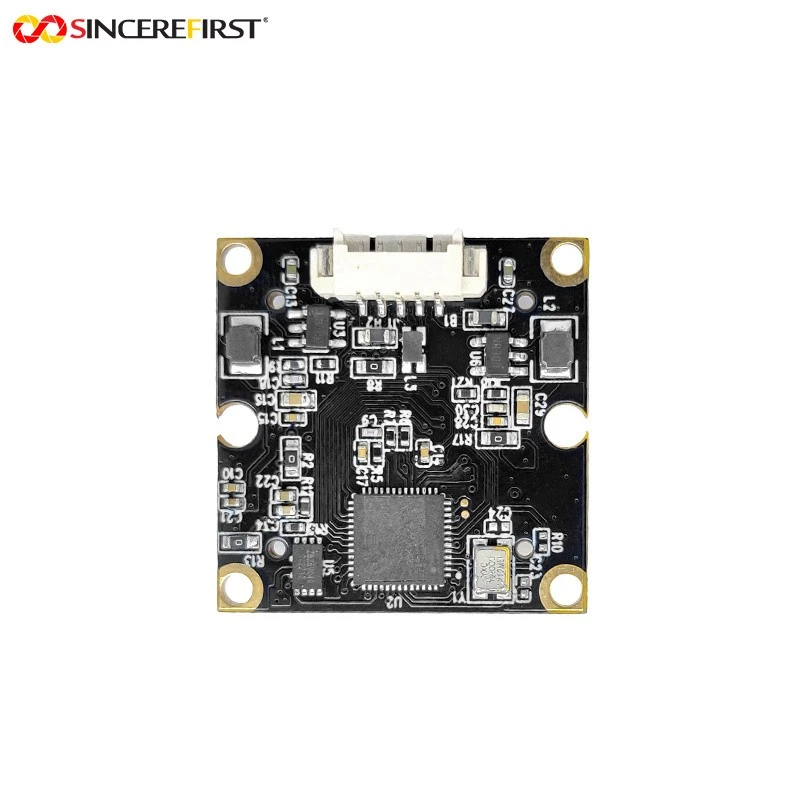
Now, when it comes to 16mp camera modules, the bit depth can vary. Most commonly, you'll find 8-bit, 10-bit, 12-bit, or even 14-bit options. The higher the bit depth, the more color information the camera can capture. This is super important because it allows for more accurate color representation and better dynamic range in your photos.
Let's start with 8-bit. An 8-bit 16mp camera module is the most basic option. It can capture 256 levels of each primary color (red, green, and blue), which gives a total of about 16.7 million possible colors. This is plenty for most everyday photography, like taking pictures of your family, pets, or landscapes. But if you're into professional photography or need to capture high - detail images with a wide range of colors, you might find 8-bit a bit limiting.
Moving up to 10-bit, things get a lot more interesting. A 10-bit 16mp camera module can represent 1,024 levels of each primary color. That's a huge jump from 8-bit! With 10-bit, you can capture over a billion possible colors. This is great for photographers who want to have more flexibility in post - processing. You can make adjustments to the colors and contrast without losing too much quality.
A 12-bit 16mp camera module takes it even further. It can represent 4,096 levels of each primary color, which means an astronomical number of possible colors. This is ideal for scientific imaging, industrial inspection, and high - end photography where every single detail of color matters. You can capture the subtlest color differences, which is crucial in fields like medical imaging or product quality control.
Finally, 14-bit is the highest bit depth you'll commonly see in 16mp camera modules. With 14-bit, you can represent 16,384 levels of each primary color. This is the gold standard for capturing the most accurate and detailed color information. It's often used in professional studio photography, where photographers need to get every color just right.
So, which bit depth is right for you? Well, it depends on your needs. If you're a casual photographer, an 8-bit 16mp camera module might be all you need. It's affordable and can still take great pictures. But if you're a professional or have specific requirements, like in the scientific or industrial fields, you'll probably want to go for a higher bit depth.
At our company, we offer a range of 16mp camera modules with different bit depths to meet your needs. And we also have other great camera modules in our catalog. For example, we have the 2MP OG02B10 Global Shutter Usb Camera Module Android 10 11, which is perfect for applications that require a global shutter. It's compatible with Android 10 and 11, making it very versatile.
Another great option is the 13MP IMX258 Fixed Focus USB2.0 Camera Module. With its fixed focus and USB2.0 connection, it's easy to use and can take high - quality pictures. And if you're looking for a mini USB IRS camera module, check out the IMX662 CMOS 2MP Mini USB IRS Camera Module. It's small but mighty, perfect for applications where space is limited.
If you're interested in any of our camera modules, whether it's a 16mp module with the right bit depth for you or one of our other great products, we'd love to hear from you. We can provide you with more information, answer your questions, and even offer samples if needed. Just reach out to us, and we'll start a conversation about how we can meet your camera module needs.
In conclusion, the bit depth of a 16mp camera module plays a crucial role in the quality and flexibility of the images it can capture. Whether you're a hobbyist or a professional, understanding bit depth can help you make the right choice when it comes to selecting a camera module. And remember, we're here to help you every step of the way. So, don't hesitate to get in touch if you have any questions or are ready to make a purchase.
References
- "Digital Photography: From Snapshots to Great Shots" by Barbara London and Scott Kelby
- "Camera Technology Handbook" by various industry experts