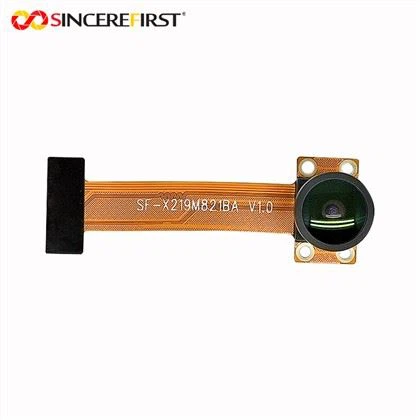
Hey there! As a supplier of 16mp camera modules, I often get asked about the difference between 16mp front - facing and rear - facing camera modules. Well, let's dive right in and break it down.
1. Design and Physical Placement
First off, the most obvious difference is where they're placed. Front - facing camera modules are usually on the front side of a device, like a smartphone or a laptop. They're designed for selfies, video calls, and other user - facing applications. On the other hand, rear - facing camera modules are installed on the back of the device. They're meant for taking photos of the world around us, landscapes, events, and so on.
The physical design also varies. Front - facing cameras are often smaller in size because they need to fit in a relatively compact space on the front of the device. They might have a more minimalist design since they're not the main focus of the device's exterior. Rear - facing cameras, however, can be bulkier. They often have larger lenses and more complex optical systems to capture high - quality images from a distance.
2. Image Quality and Resolution
Now, let's talk about image quality. Both 16mp front - facing and rear - facing camera modules have a resolution of 16 megapixels. But that doesn't mean they take the same - quality pictures.
Rear - facing cameras usually have better image quality. They often come with larger sensors, which can capture more light. This is crucial for taking sharp, clear, and well - lit photos, especially in low - light conditions. For example, when you're taking a photo of a beautiful sunset, a rear - facing camera with a large sensor can capture all the colors and details more accurately.
Front - facing cameras, while they also have 16mp, might not perform as well in terms of overall image quality. Their sensors are generally smaller due to space constraints. This can result in noisier images, especially in low - light situations. But they do have some tricks up their sleeves. Many front - facing cameras are optimized for portrait mode, which can create a nice bokeh effect to make the subject stand out.
3. Focus and Zoom Capabilities
Focusing is another area where there's a difference. Rear - facing cameras typically have more advanced autofocus systems. They can quickly and accurately focus on subjects at different distances. Whether you're taking a close - up of a flower or a long - distance shot of a mountain, the rear - facing camera can adjust the focus accordingly.
Front - facing cameras, on the other hand, often have simpler focus systems. They're mainly designed to focus on the user's face, which is usually at a relatively fixed distance. So, they might not be as good at focusing on objects at different distances.
When it comes to zoom, rear - facing cameras usually have better zoom capabilities. They can offer optical zoom, which is the best way to zoom in without losing image quality. Some high - end rear - facing cameras can even offer up to 10x or more optical zoom. Front - facing cameras, in contrast, usually rely on digital zoom. Digital zoom just crops and enlarges the image, which can lead to a loss of quality.
4. Software and Features
Software plays a big role in the performance of both front - facing and rear - facing cameras. Rear - facing cameras often come with a wide range of shooting modes and features. You can find modes like panorama, night mode, sports mode, and more. These modes are designed to optimize the camera's settings for different shooting scenarios.
Front - facing cameras also have their own set of features. As I mentioned earlier, portrait mode is very popular for front - facing cameras. They also often come with beauty filters and other selfie - friendly features. These filters can smooth out the skin, whiten the teeth, and enhance the overall appearance of the subject in the selfie.
5. Applications and Use Cases
The applications of front - facing and rear - facing cameras are quite different. Rear - facing cameras are used for professional photography, event photography, landscape photography, and more. They're the go - to choice when you want to capture high - quality images of the world around you.


Front - facing cameras are mainly used for selfies and video calls. Selfies have become a huge part of our social media culture, and front - facing cameras are designed to meet that demand. Video calls are also an important use case, especially in today's digital age where remote communication is so common.
Our Product Range
As a 16mp camera module supplier, we offer a wide range of products to meet different needs. If you're looking for a camera module for a specific application, we've got you covered. For example, we have the 5MP 1080P HD USB2.0 With Led Light Camera Module, which is great for applications that require a bit of extra light. It's a versatile module that can be used in various devices.
We also have the 0.3MP USB Scanning Camera Module, which is perfect for scanning applications. And if you're in need of a high - speed camera module for machine vision, our High Speed Mini HM2131 Low Light Machine Vision Camera Chip Module is a great option. It performs well even in low - light conditions.
Why Choose Us
We're committed to providing high - quality camera modules at competitive prices. Our products are designed and manufactured with the latest technology to ensure optimal performance. We also offer excellent customer service, and our team is always ready to help you with any questions or concerns you might have.
If you're in the market for a 16mp camera module, whether it's a front - facing or rear - facing one, we'd love to have a chat with you. We can discuss your specific requirements and help you find the perfect camera module for your project. Don't hesitate to reach out to us for a consultation and to start the procurement process.
References
- Camera Technology Handbook, 3rd Edition
- Digital Photography for Beginners: A Comprehensive Guide