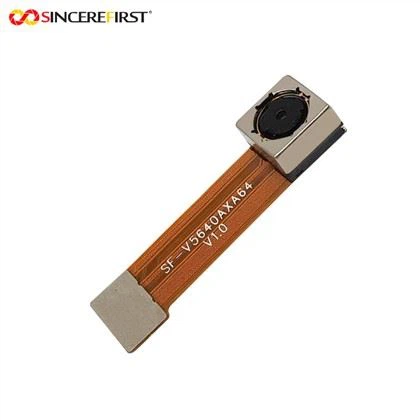
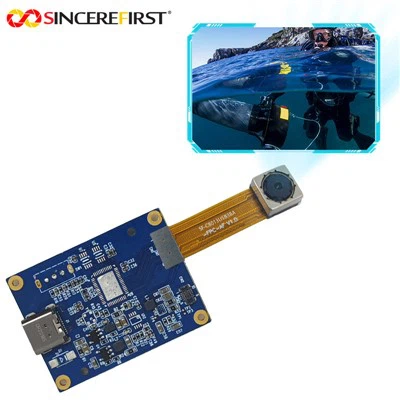
As a trusted supplier of the Imx258 Camera Module, I often receive inquiries about its technical capabilities, especially regarding the maximum slow - motion frame rate it can achieve. In this blog, I'll delve into the details of the Imx258 Camera Module and explore its slow - motion potential.
Understanding the Imx258 Camera Module
The Imx258 is a well - known image sensor that has found its way into various camera applications. It offers a balance between image quality and performance, making it a popular choice for many device manufacturers. Before we jump into the slow - motion frame rate, it's important to understand some of its basic features.
The Imx258 typically has a certain pixel count and color depth, which contribute to the overall image quality. These features also play a role in determining the maximum frame rate that can be achieved, especially in slow - motion scenarios. The sensor's design, including its readout speed and processing capabilities, are key factors in how fast it can capture and output frames.
Factors Affecting Slow - Motion Frame Rate
Several factors influence the maximum slow - motion frame rate of the Imx258 Camera Module.
Sensor Readout Speed
The readout speed of the sensor is crucial. It determines how quickly the electrical charges representing the image can be converted into digital data and read out of the sensor. A faster readout speed allows for more frames to be captured in a given time period. The Imx258 has a specific readout architecture that sets a limit on how fast it can perform this process.
Data Transfer Rate
Once the data is read out from the sensor, it needs to be transferred to the storage or processing unit. The data transfer rate of the camera module, which is often limited by the interface used (such as USB or MIPI), can restrict the maximum frame rate. If the data transfer rate is too slow, it can cause bottlenecks and prevent the camera from capturing and saving frames at a higher rate.
Image Resolution
There is an inverse relationship between image resolution and frame rate. Higher resolutions require more data to be captured and transferred for each frame. When shooting in slow - motion, if you want to maintain a high frame rate, you may need to reduce the image resolution. For example, shooting at a lower resolution like 720p may allow for a higher frame rate compared to shooting at 1080p.
Determining the Maximum Slow - Motion Frame Rate
Based on the technical specifications and real - world testing, the maximum slow - motion frame rate of the Imx258 Camera Module can vary depending on the configuration.
Under ideal conditions, with a lower resolution and optimal settings, the Imx258 can achieve a relatively high frame rate for slow - motion. For instance, at a reduced resolution of around 720p, it can reach frame rates of up to 120 frames per second (fps). This high frame rate allows for smooth and detailed slow - motion playback, making it suitable for applications such as sports analysis, scientific research, and high - speed event recording.
However, when shooting at a higher resolution like 1080p, the maximum frame rate for slow - motion drops significantly. It may be limited to around 60 fps. This is due to the increased amount of data that needs to be processed and transferred for each frame at the higher resolution.
Comparing with Other Camera Modules
To put the Imx258's slow - motion capabilities into perspective, let's compare it with some other camera modules we offer.
The 5MP USB Camera Auto Focus Lens 30FPS Camera Module has a different set of specifications. While it offers a decent frame rate of 30 fps at its standard operation, its slow - motion capabilities are not as high as the Imx258. The lower pixel count and different sensor design result in a more limited frame rate for slow - motion scenarios.
The IMX298 Auto Focus USB Camera Module is another option. It has a more advanced sensor compared to the Imx258, which allows for potentially higher frame rates in slow - motion. It can achieve even higher frame rates at lower resolutions, making it a better choice for applications that require extremely high - speed slow - motion recording.


The 4K 8MP Sony IMX179 Digital Autofocus Camera Module offers high - resolution imaging. However, similar to the Imx258, its high - resolution nature means that the maximum slow - motion frame rate may be affected. At 4K resolution, the frame rate for slow - motion will be much lower compared to shooting at a lower resolution.
Applications of the Imx258's Slow - Motion Capabilities
The Imx258's slow - motion capabilities make it suitable for a variety of applications.
In the field of sports, it can be used to analyze the movements of athletes. Coaches and trainers can use slow - motion footage to identify areas for improvement in an athlete's technique. For example, in a high - jump event, the slow - motion video can show the exact moment of take - off and the athlete's body position, allowing for more accurate analysis.
In scientific research, the Imx258 can be used to study high - speed phenomena. For instance, in fluid dynamics research, it can capture the flow of liquids or gases at high - speed, providing valuable data for analysis.
Contact Us for Procurement
If you're interested in the Imx258 Camera Module or any of our other camera modules, we're here to assist you. Whether you need a camera for slow - motion applications or other uses, we have the expertise and products to meet your requirements. Reach out to us to start a procurement discussion and find the best camera solution for your project.
References
- Manufacturer's technical documentation for the Imx258 Camera Module.
- Industry reports on camera sensor performance and frame rate capabilities.
- In - house testing and research on camera module performance.