Can a USB Camera Module be used for archaeological research?
In the ever - evolving field of archaeological research, the use of advanced technology has become increasingly crucial. One such technology that has shown great potential is the USB camera module. As a USB camera module supplier, I have witnessed firsthand the diverse applications of these devices, and I firmly believe they can play a significant role in archaeological investigations.
High - Resolution Imaging
Archaeologists often need to document and analyze artifacts, rock art, and excavation sites with high precision. USB camera modules, such as the ones equipped with the Camera Sensor Ov5648, offer high - resolution imaging capabilities. The Ov5648 sensor can capture detailed images with a high pixel count, allowing archaeologists to see fine details of artifacts, such as engravings, inscriptions, and surface textures. This level of detail is essential for accurate identification, classification, and interpretation of archaeological finds.
For example, when studying ancient pottery, a high - resolution USB camera module can capture the smallest cracks, patterns, and glazes. These details can provide clues about the manufacturing techniques, the region of origin, and the cultural context of the pottery. By analyzing these images, archaeologists can reconstruct the history of the artifact and gain a better understanding of the society that produced it.
Portability and Ease of Use
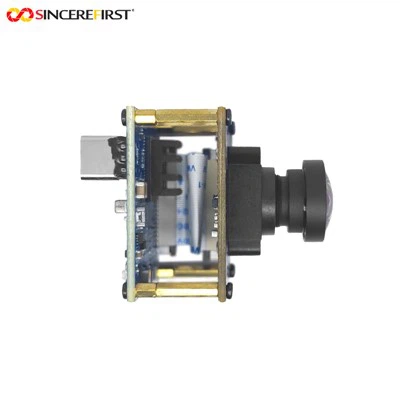
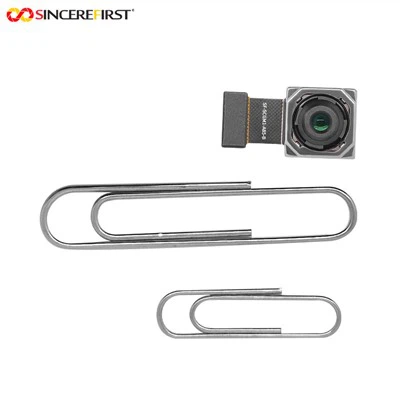
Another advantage of USB camera modules in archaeological research is their portability and ease of use. Unlike large and bulky traditional cameras, USB camera modules are small and lightweight, making them easy to carry to remote excavation sites. They can be connected directly to a laptop or a tablet via a USB port, eliminating the need for complex setup procedures.
This portability is particularly useful in fieldwork. Archaeologists can quickly set up the USB camera module to document a newly discovered artifact or a section of an excavation site. The real - time preview feature on the connected device allows them to adjust the focus, exposure, and other settings to get the best possible image. Moreover, the captured images can be immediately transferred to a digital storage device for further analysis.
The Wifi Board integrated with some USB camera modules adds an extra layer of convenience. It enables wireless connection to other devices, allowing archaeologists to share images and data in real - time with their colleagues at the excavation site or back at the laboratory. This seamless communication can enhance the efficiency of the research process.
Macro and Auto - Focus Capabilities
Many USB camera modules, such as the USB PCB CMOS Sensor Sony IMX378 Auto Focus Macro Camera Module, come with macro and auto - focus capabilities. These features are invaluable in archaeological research, especially when dealing with small artifacts or fine details.
The macro mode allows the camera to focus on objects at a very close distance, capturing highly detailed images of small artifacts like beads, coins, or jewelry. The auto - focus feature ensures that the images are sharp and clear, even if the object is not perfectly still. This is particularly useful when photographing artifacts in their natural state, where it may be difficult to manually adjust the focus.
For instance, when studying ancient coins, the macro and auto - focus capabilities of a USB camera module can capture the inscriptions, portraits, and mint marks on the coins. These details can help in dating the coins, identifying the issuing authority, and understanding the economic and political situation of the time.
3D Reconstruction and Modeling
With the development of software technology, USB camera modules can also be used for 3D reconstruction and modeling of archaeological sites and artifacts. By taking multiple images of an object or a site from different angles, and using specialized 3D reconstruction software, archaeologists can create accurate 3D models.


These 3D models can provide a more comprehensive view of the artifact or the site. They can be used for virtual tours, educational purposes, and further analysis. For example, a 3D model of an ancient temple can help archaeologists understand the layout, the architectural features, and the spatial relationships within the temple complex.
Challenges and Limitations
Despite the many advantages, there are also some challenges and limitations when using USB camera modules in archaeological research. One of the main challenges is the lighting conditions at the excavation site. Poor lighting can result in underexposed or overexposed images, which can affect the quality of the data. Archaeologists may need to use additional lighting equipment to ensure proper illumination.
Another limitation is the battery life of the connected devices. Since USB camera modules rely on the power supply from the connected laptop or tablet, a short battery life can disrupt the data collection process. Archaeologists may need to carry extra power sources, such as power banks, to ensure continuous operation.
Conclusion
In conclusion, USB camera modules have great potential in archaeological research. Their high - resolution imaging, portability, ease of use, macro and auto - focus capabilities, and the possibility of 3D reconstruction make them valuable tools for archaeologists. Although there are some challenges and limitations, these can be overcome with proper planning and the use of additional equipment.
As a USB camera module supplier, I am committed to providing high - quality products that meet the specific needs of archaeological research. If you are an archaeologist or involved in archaeological projects and are interested in exploring the use of USB camera modules, I encourage you to contact me for further information and to discuss your procurement requirements. We can work together to find the most suitable camera modules for your research needs.
References
- "Archaeological Photography: Principles and Techniques" by A. Jones.
- "Digital Imaging in Archaeology" by B. Smith.
- "3D Reconstruction in Cultural Heritage" by C. Brown.