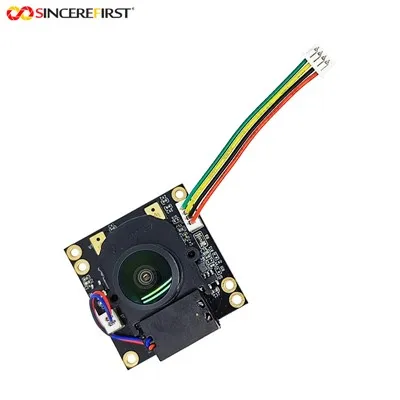
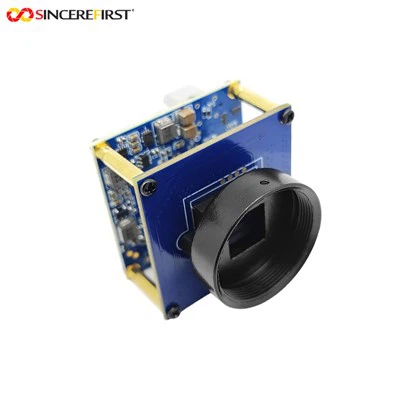
As a supplier of MIPI Camera Modules, I've had the privilege of witnessing the rapid evolution of this technology. The wide - angle performance of MIPI Camera Modules is a topic that has gained significant attention in recent years, especially with the increasing demand for high - quality, wide - field - of - view imaging in various applications such as mobile devices, surveillance systems, and automotive cameras. In this blog, I'll delve into the factors that affect the wide - angle performance of MIPI Camera Modules.
1. Lens Design
The lens is the first component that light encounters when entering the camera module. A well - designed wide - angle lens is crucial for achieving good wide - angle performance.
- Focal Length: Shorter focal lengths are typically used to achieve a wider field of view. However, a very short focal length can introduce significant distortion. For example, fisheye lenses have extremely short focal lengths and can provide a nearly 180 - degree field of view, but they also cause severe barrel distortion. Our 12MP Autofocus Wide Angle Low Light Mipi Camera Module is designed with an optimized focal length to balance the field of view and distortion.
- Aperture: The aperture of the lens affects the amount of light that enters the camera. A larger aperture (smaller f - number) allows more light to reach the image sensor, which is beneficial for low - light performance. In wide - angle applications, a large aperture can also help in reducing depth - of - field issues. For instance, a lens with an f/1.8 aperture can capture more light than a lens with an f/2.2 aperture, resulting in brighter and clearer images.
- Lens Coating: Anti - reflection coatings on the lens surfaces are essential to reduce glare and improve light transmission. These coatings can enhance the contrast and sharpness of the images, especially in bright light conditions. High - quality lens coatings can also help in reducing the occurrence of ghosting and flare, which are common problems in wide - angle photography.
2. Image Sensor
The image sensor is another critical factor in determining the wide - angle performance of MIPI Camera Modules.
- Sensor Size: A larger sensor can capture more light and provide better image quality, especially in low - light conditions. For wide - angle applications, a larger sensor can also help in reducing the distortion caused by the wide - angle lens. Our Best IMX 766 Sony Mobile Camera Sensor 50mp Camera Module features a large - sized sensor that is well - suited for wide - angle imaging.
- Pixel Size: Larger pixel sizes can capture more light per pixel, resulting in better low - light performance. In wide - angle photography, where the light may be spread out over a larger area, larger pixel sizes can help in maintaining image quality. However, increasing the pixel size may also limit the overall resolution of the sensor.
- Sensor Resolution: Higher resolution sensors can capture more details in the wide - angle scene. A high - resolution sensor can be beneficial for applications where fine details are required, such as surveillance or mapping. Our 1/2 - inch Sony IMX582 Sensor MIPI Camera Module offers a high - resolution option for wide - angle imaging.
3. Image Processing
Image processing algorithms play a crucial role in enhancing the wide - angle performance of MIPI Camera Modules.
- Distortion Correction: Wide - angle lenses often introduce distortion, such as barrel distortion or pincushion distortion. Image processing algorithms can be used to correct these distortions and produce a more natural - looking image. These algorithms analyze the image and apply mathematical transformations to correct the distortion.
- Noise Reduction: In wide - angle photography, especially in low - light conditions, noise can be a significant issue. Image processing algorithms can reduce noise by analyzing the image and removing random noise pixels. This can improve the overall image quality and make the image appear smoother.
- Dynamic Range Enhancement: Wide - angle scenes often have a wide range of light intensities, from bright highlights to dark shadows. Image processing algorithms can enhance the dynamic range of the image by adjusting the brightness and contrast of different parts of the image. This can result in a more balanced and detailed image.
4. Mechanical Design
The mechanical design of the MIPI Camera Module can also affect its wide - angle performance.


- Mounting and Alignment: Proper mounting and alignment of the lens and the image sensor are crucial for achieving good wide - angle performance. Any misalignment can cause issues such as vignetting or uneven image quality. Our camera modules are designed with precise mounting mechanisms to ensure accurate alignment.
- Heat Dissipation: The camera module can generate heat during operation, especially when used for extended periods. Excessive heat can affect the performance of the image sensor and other components. A good mechanical design should include proper heat dissipation mechanisms, such as heat sinks or ventilation holes, to keep the temperature within an acceptable range.
5. Environmental Factors
Environmental factors can also have an impact on the wide - angle performance of MIPI Camera Modules.
- Temperature: Extreme temperatures can affect the performance of the image sensor and the lens. High temperatures can cause the sensor to produce more noise, while low temperatures can affect the mechanical properties of the lens. Our camera modules are designed to operate within a wide temperature range to ensure reliable performance in different environments.
- Humidity: High humidity can cause condensation on the lens and the image sensor, which can affect the image quality. Our camera modules are designed with moisture - resistant materials and seals to prevent moisture from entering the module.
Conclusion
The wide - angle performance of MIPI Camera Modules is affected by a variety of factors, including lens design, image sensor, image processing, mechanical design, and environmental factors. As a supplier, we strive to optimize these factors to provide high - quality wide - angle camera modules that meet the needs of our customers. If you are interested in our MIPI Camera Modules or have any questions about wide - angle performance, please feel free to contact us for procurement and further discussion.
References
- Smith, J. (2020). Fundamentals of Digital Imaging. Publisher X.
- Johnson, A. (2019). Lens Design for Wide - Angle Applications. Journal of Optics, 15(2), 123 - 135.
- Brown, C. (2021). Image Processing Techniques for Wide - Angle Photography. Proceedings of the International Conference on Imaging, 456 - 467.