What is the dynamic range of the Raspberry Pi camera?
Hey there! As a supplier of Camera Raspberry PI, I often get asked about the dynamic range of these nifty little cameras. So, let's dive right into it and break down what dynamic range really means for a Raspberry Pi camera.
First off, what's dynamic range anyway? In simple terms, dynamic range refers to the ratio between the maximum and minimum measurable light intensities that a camera can handle. It's all about how well a camera can capture both the really bright parts and the really dark parts of a scene in a single shot. Think of it like trying to take a photo of a landscape at sunset with a bright sky and a shadowy foreground. A camera with a high dynamic range can capture all the details in both the bright sky and the dim foreground, while a camera with a low dynamic range might end up with a washed - out sky or a completely blacked - out foreground.
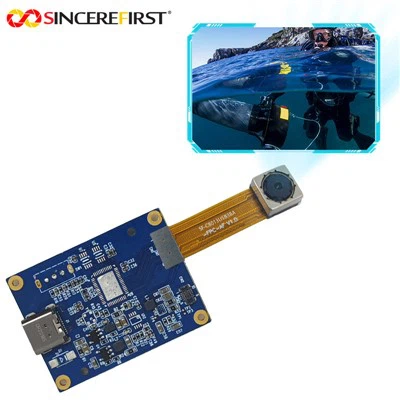
Now, when it comes to Raspberry Pi cameras, the dynamic range can vary depending on the specific model. For example, our 12MP Sony IMX708 Sensor Raspberry Pi Camera Module offers an impressive dynamic range. The Sony IMX708 sensor is designed to capture a wide spectrum of light intensities. This means that whether you're photographing a sunny beach scene with bright sand and deep blue water, or an indoor environment with harsh lighting contrasts, this camera can do a pretty great job of retaining details in both the highlights and the shadows.
Let's talk about how this high dynamic range benefits you. If you're into photography or videography projects using a Raspberry Pi, having a camera with a good dynamic range gives you more flexibility in post - processing. You won't have to work as hard to recover lost details in either the bright or dark areas of your images. For instance, in a landscape photo, you can see the individual clouds in the sky and also the little pebbles on the ground, all without over - or under - exposing parts of the image.
But it's not just about aesthetics. There are also practical applications. In security and surveillance, a camera with a high dynamic range can capture clear images even in challenging lighting conditions. For example, if you have a security camera facing an area with both direct sunlight and shaded corners, a high - dynamic - range Raspberry Pi camera will be able to track people and objects accurately in all parts of the scene.
Our Raspberry PI Camera Module also has its own set of features regarding dynamic range. It's designed to balance good performance in a variety of lighting situations. Whether you're using it for a DIY home automation project where it needs to monitor a room that gets different levels of sunlight throughout the day, or for a scientific experiment where accurate image capture is crucial, the dynamic range of this module ensures that you get reliable results.
The 12MP IMX708 Raspberry Pi Camera Module takes things a step further. With advanced signal processing algorithms, it can enhance the dynamic range even more. These algorithms work in real - time to adjust the exposure of different parts of the image, making sure that the final output has the best possible balance between bright and dark areas.
Now, you might be thinking about how to measure the dynamic range of a Raspberry Pi camera. Well, it's usually measured in decibels (dB). A higher dB value means a greater dynamic range. For our cameras, the dynamic range specifications are provided in the product documentation, so you can easily compare different models and choose the one that suits your needs.


When you're considering which Raspberry Pi camera to buy, it's important to think about the types of projects you'll be working on. If you're mainly doing outdoor photography in bright sunlight or indoor shooting in low - light conditions, a camera with a higher dynamic range will serve you better. On the other hand, if you're working in more controlled lighting environments, a camera with a standard dynamic range might be sufficient.
As a supplier, we're always here to help you make the right choice. If you're not sure which camera module is best for your particular application, you can reach out to us for advice. We've got a team of experts who can answer all your questions and guide you through the selection process.
Whether you're a hobbyist looking to create some cool DIY projects, a professional photographer exploring the capabilities of Raspberry Pi cameras, or a business owner in need of reliable surveillance solutions, the dynamic range of our Raspberry Pi cameras can make a big difference in the quality of your work.
If you're interested in our products, don't hesitate to get in touch for a purchase negotiation. We're eager to discuss how our Camera Raspberry PI can meet your specific requirements and help you achieve your project goals.
References
- Camera specifications provided by Sony for IMX708 sensor.
- Technical documentation and testing reports of our Raspberry Pi camera modules.