Hey there! As a supplier of Dvp Camera Modules, I often get asked about the minimum operating temperature of these nifty little devices. So, I thought I'd take a deep dive into this topic and share some insights with you.
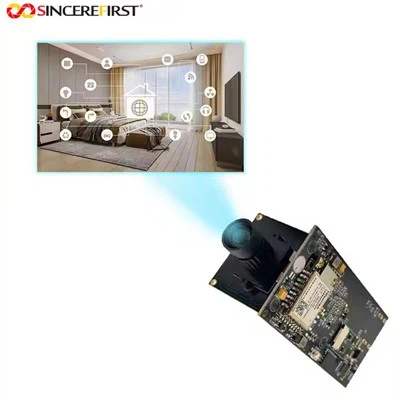
First off, let's understand what a Dvp Camera Module is. It's a type of camera module that uses the Digital Video Port (DVP) interface. This interface is commonly used in embedded systems and IoT devices because it's relatively simple and easy to integrate. We offer a variety of Dvp Camera Modules, like the OV7670 VGA Camera Module, the OV9782 Color Image Sensor DVP MIPI Global Shutter Camera Module, and the 2MP Omnivision OV2640 DVP Camera Module. Each of these modules has its own unique features and specifications, but today, we're focusing on the minimum operating temperature.
The minimum operating temperature of a Dvp Camera Module is a crucial factor, especially if you're planning to use the module in extreme environments. For instance, if you're using the camera in a cold storage facility, a polar research station, or even in a winter sports application, you need to make sure the camera can handle the low temperatures.
So, what's the deal with the minimum operating temperature? Well, it varies from one module to another. Generally speaking, most Dvp Camera Modules can operate at temperatures as low as -20°C to -30°C. However, some high - end modules are designed to work in even colder conditions, down to -40°C or lower.
Let's break down why the minimum operating temperature matters. At low temperatures, the performance of electronic components can be affected. The battery life of the device powering the camera may decrease, and the camera's image sensor might produce more noise. The lubricants in any moving parts (if there are any, like in some pan - tilt camera modules) can thicken, which could affect the movement. And the soldering joints can become more brittle, increasing the risk of failure.
For our OV7670 VGA Camera Module, it's designed to operate in a temperature range that can go as low as -20°C. This makes it suitable for a wide range of applications, from indoor security cameras in cold warehouses to outdoor surveillance in mild winter climates. The OV7670 is a popular choice because of its compact size and good image quality, and the -20°C minimum operating temperature gives it an edge in many scenarios.


The OV9782 Color Image Sensor DVP MIPI Global Shutter Camera Module is a more advanced module. It can handle temperatures down to -30°C. This is great for applications where you need high - speed imaging and accurate color reproduction in colder environments. For example, in industrial inspection applications where the camera might be used in a refrigerated production line.
Our 2MP Omnivision OV2640 DVP Camera Module also has a decent minimum operating temperature of -20°C. With its 2 - megapixel resolution, it's suitable for applications like facial recognition systems in cold - weather access control points or in some outdoor traffic monitoring systems during the winter.
Now, if you're thinking about using a Dvp Camera Module in extremely cold conditions, there are a few things you can do to ensure its proper operation. First, you can use a heater or insulation to keep the camera at a more suitable temperature. There are also special coatings and materials that can be applied to the camera to protect it from the cold.
But it's not just about the cold. You also need to consider the humidity and the presence of moisture. At low temperatures, moisture can condense on the camera's lens and other components, which can cause fogging and damage. So, proper sealing and moisture - resistant design are also important factors to look for in a Dvp Camera Module.
In conclusion, when choosing a Dvp Camera Module, the minimum operating temperature is a key consideration. You need to match the camera's temperature range with the environment where you'll be using it. Whether it's a -20°C, -30°C, or -40°C operating temperature, we've got a module that can meet your needs.
If you're in the market for a Dvp Camera Module and have questions about the minimum operating temperature or any other aspect of our products, don't hesitate to reach out. We're here to help you find the perfect camera module for your application. Whether you're a system integrator, an IoT developer, or just someone looking for a reliable camera solution, we can work with you to ensure you get the best product for your specific requirements.
References
- Camera Module Technical Documentation from Omnivision
- Industry Reports on Electronic Component Performance in Extreme Temperatures