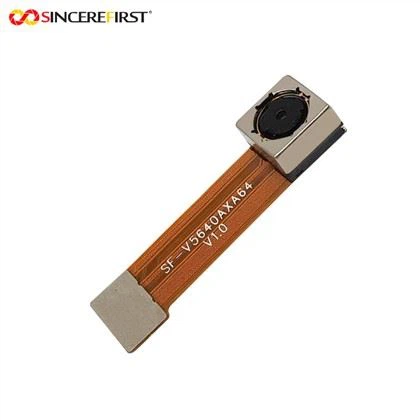
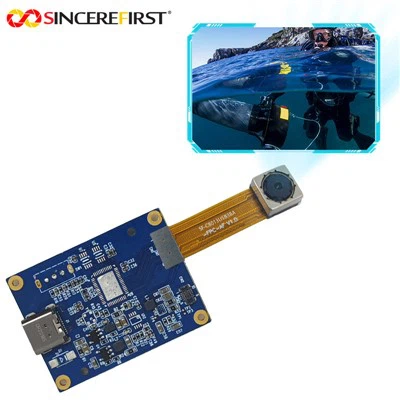
When it comes to the world of camera modules, the Dual USB Camera Module has emerged as a powerful and versatile solution for various applications. As a dedicated supplier of Dual USB Camera Modules, I am often asked about the size of this remarkable device. In this blog post, I will delve into the details of the size of the Dual USB Camera Module, exploring its physical dimensions, how they impact its use, and why it matters in different scenarios.
Physical Dimensions of the Dual USB Camera Module
The size of a Dual USB Camera Module can vary depending on the specific model and its intended application. Generally, these modules are designed to be compact and lightweight, making them suitable for a wide range of devices and setups. Most Dual USB Camera Modules have a form factor that allows them to be easily integrated into small spaces, such as laptops, tablets, industrial equipment, and even wearable devices.
Typically, the length of a Dual USB Camera Module ranges from 30mm to 100mm, the width from 20mm to 60mm, and the height from 10mm to 30mm. These dimensions are carefully engineered to balance functionality and portability. For example, in applications where space is extremely limited, such as in some medical devices or miniaturized surveillance systems, a smaller-sized module with dimensions closer to the lower end of the range would be preferred. On the other hand, for applications that require more advanced features or larger sensors, such as high - resolution machine vision systems, a slightly larger module may be necessary.
Let's take a closer look at some of our popular products to understand the size differences. The Dual USB Camera Module is designed with a compact size of approximately 40mm in length, 30mm in width, and 15mm in height. This makes it an ideal choice for integration into laptops and small - form - factor devices. Its small size does not compromise its performance, as it is equipped with high - quality sensors and advanced image processing capabilities.
In contrast, our 1080P Machine Vision Global Shutter USB 3.0 UVC Camera Module has a slightly larger size. It measures around 60mm in length, 40mm in width, and 20mm in height. The larger size is due to the need for a more powerful sensor and additional components to support high - speed data transfer and global shutter functionality, which are essential for machine vision applications.
Another product, the 8MP IMX578 IMX415 IMX577 USB3.0 HDMI WIFI Camera Module, also has a relatively larger size to accommodate the high - resolution sensors and the complex circuitry required for HDMI and Wi - Fi connectivity. It has dimensions of about 80mm in length, 50mm in width, and 25mm in height.


Impact of Size on Performance and Application
The size of a Dual USB Camera Module has a significant impact on its performance and the applications it can be used for.
Performance
- Heat Dissipation: Smaller modules may have limited space for heat dissipation. In high - performance applications where the camera module operates continuously at high frame rates or with high - power sensors, heat can build up quickly. This can lead to reduced image quality, sensor degradation, and even system failures. Larger modules, on the other hand, can be designed with better heat dissipation mechanisms, such as larger heat sinks or more efficient ventilation channels, which helps to maintain stable performance over extended periods.
- Sensor Size and Image Quality: Generally, larger modules can accommodate larger sensors. Larger sensors can capture more light, resulting in better image quality, especially in low - light conditions. They also offer higher resolution and better dynamic range, which are crucial for applications such as professional photography, surveillance, and machine vision.
Applications
- Portable Devices: For portable devices like laptops, tablets, and smartphones, size is a critical factor. A smaller Dual USB Camera Module can be easily integrated into these devices without adding significant bulk or weight. This allows for a more seamless user experience and better portability.
- Industrial and Machine Vision: In industrial and machine vision applications, the size of the camera module needs to be compatible with the machinery and the inspection environment. Larger modules may be required to support the high - resolution and high - speed imaging needs of these applications. For example, in automated manufacturing lines, a larger camera module with a global shutter can capture clear images of fast - moving objects without motion blur.
- Surveillance Systems: Surveillance systems often require cameras to be installed in various locations, including small corners and hidden spots. A compact Dual USB Camera Module can be easily concealed and installed in these areas, providing discreet surveillance. However, for large - scale surveillance applications, larger modules with wider fields of view and higher resolutions may be needed.
Why Size Matters in the Market
In the competitive market of camera modules, size plays a crucial role in determining the success of a product.
- Consumer Preferences: Consumers today demand sleek and compact devices. Whether it is a laptop with a built - in camera or a wearable device with a camera function, a smaller camera module can enhance the overall aesthetics and usability of the product. This makes products with smaller Dual USB Camera Modules more appealing to consumers.
- Compatibility: The size of the camera module needs to be compatible with the existing infrastructure and devices. For example, in the industrial sector, camera modules need to fit into specific machine enclosures and interfaces. A well - sized module can ensure seamless integration and reduce the need for costly modifications.
- Cost - Efficiency: Smaller modules generally require less material and manufacturing space, which can lead to lower production costs. This can translate into more competitive pricing in the market, making them more attractive to cost - conscious customers.
Contact Us for Purchase and Consultation
If you are interested in our Dual USB Camera Modules and want to learn more about their size, performance, and how they can fit into your specific applications, we are here to help. Our team of experts can provide detailed information and guidance to ensure that you choose the right camera module for your needs. Whether you are a consumer looking for a camera module for your personal device or a business in need of industrial - grade camera solutions, we have the products and expertise to meet your requirements.
We invite you to reach out to us for a consultation and to start the procurement process. Our commitment to quality, innovation, and customer satisfaction makes us the ideal partner for all your camera module needs.
References
- Smith, J. (2020). "Advances in Camera Module Technology". Journal of Imaging Science.
- Brown, A. (2021). "The Impact of Size on Camera Module Performance". Industrial Imaging Research.
- Green, C. (2022). "Consumer Preferences in Camera Module Design". Consumer Electronics Review.