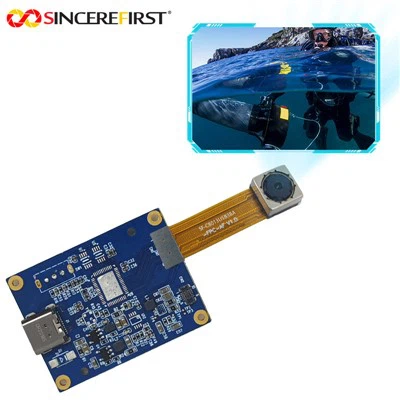
Hey there! As a supplier of 12mp USB camera modules, I often get asked if these little gadgets can be used for machine vision. Well, let's dive right into it and find out!
First off, what exactly is machine vision? In a nutshell, machine vision is like giving a computer the ability to "see" and understand the world around it. It's used in a whole bunch of industries, from manufacturing and robotics to healthcare and agriculture. Machines equipped with vision systems can inspect products for defects, guide robots in complex tasks, and even monitor crops for signs of disease.
Now, let's talk about the 12mp USB camera module. A 12-megapixel camera can capture high-resolution images, which is a huge plus for machine vision applications. With 12 million pixels on the sensor, you get a lot of detail in each shot. This is super important when you're trying to detect small defects or features in a product. For example, in a manufacturing plant, a 12mp camera can spot tiny scratches or cracks on a metal part that might be missed by the human eye.
One of the great things about USB camera modules is their ease of use. You can simply plug them into a computer via a USB port, and you're good to go. There's no need for complex wiring or additional hardware in most cases. This makes them a cost-effective and convenient option for small to medium-sized businesses looking to implement machine vision systems.
But it's not all sunshine and rainbows. There are a few things to consider when using a 12mp USB camera module for machine vision. One of the main challenges is the data transfer rate. Since 12mp images are quite large, they take longer to transfer from the camera to the computer. This can slow down the overall processing speed of the machine vision system, especially if you need to capture and analyze images in real-time.
Another factor is the lighting conditions. Machine vision applications often require consistent and uniform lighting to ensure accurate image capture. A 12mp camera might be more sensitive to changes in lighting compared to lower-resolution cameras. So, you might need to invest in good lighting equipment to get the best results.
Let's take a look at some of the products we offer. We have the Sony IMX258 Computer Vision Industrial Camera Module For Machine Vision. This camera module is specifically designed for machine vision applications. It uses the Sony IMX258 sensor, which is known for its high image quality and low noise. With 12mp resolution, it can capture detailed images even in challenging lighting conditions.
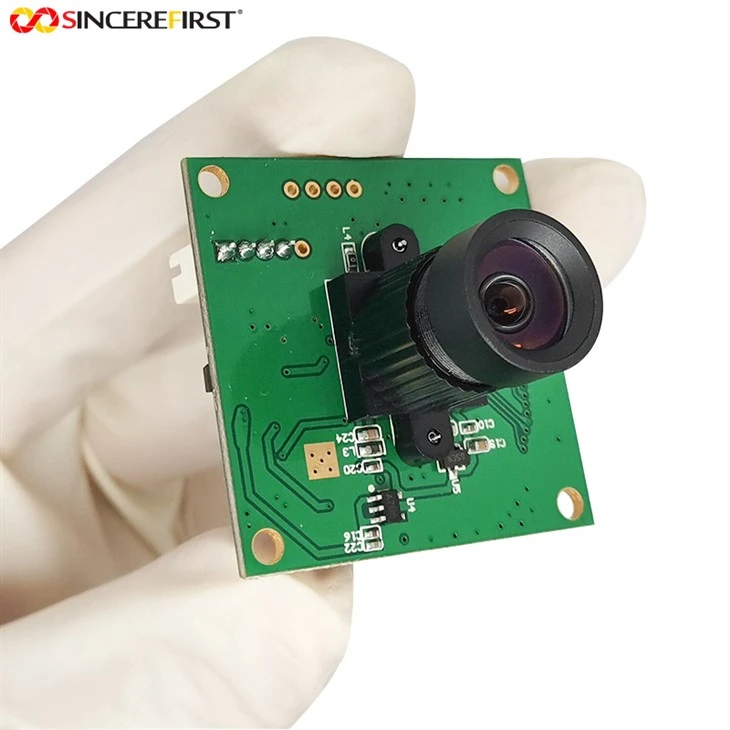
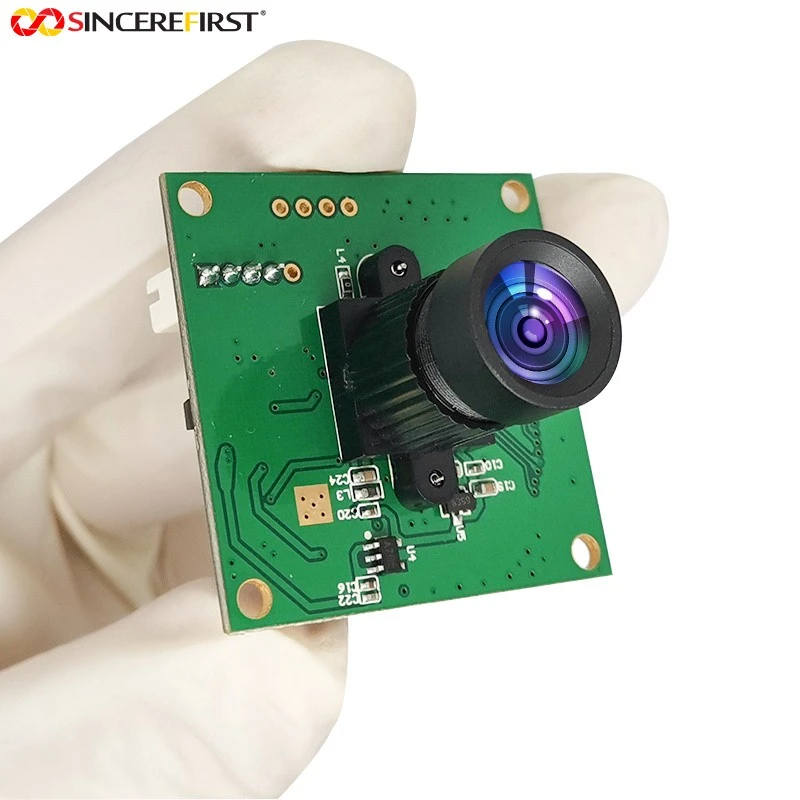
We also have the Low-Cost 5MP Full HD OV5640 Cmos Industrial USB Camera Module. While it's not a 12mp camera, it's a great option for applications where you don't need ultra-high resolution. It's more affordable and has a faster data transfer rate, which can be beneficial for real-time applications.
And then there's the Omnivision OV9712 Sensor High Speed USB Industrial Camera Module. This camera module is designed for high-speed applications. It might not have 12mp resolution, but it can capture images at a very fast rate, which is useful for applications like motion tracking.
So, can a 12mp USB camera module be used for machine vision? The answer is yes, but it depends on your specific requirements. If you need high-resolution images and can tolerate a slightly slower data transfer rate, then a 12mp camera module could be a great choice. However, if you need real-time processing or have budget constraints, you might want to consider other options.
If you're interested in learning more about our 12mp USB camera modules or any of our other products, feel free to reach out to us. We're always happy to help you find the right solution for your machine vision needs. Whether you're a small startup or a large corporation, we have the expertise and products to support your projects.
In conclusion, 12mp USB camera modules have a lot of potential in the field of machine vision. They offer high-resolution imaging and are relatively easy to integrate into existing systems. But like any technology, they have their limitations. By carefully considering your application requirements and working with a reliable supplier, you can make the most of these camera modules and take your machine vision system to the next level.
References
- "Machine Vision Handbook" by John C. Russ
- "Digital Image Processing" by Rafael C. Gonzalez and Richard E. Woods