In the realm of modern technology, the integration of various devices has become a cornerstone of innovation. One such question that often arises is whether a CMOS camera module can be connected to a computer. As a supplier of CMOS camera modules, I am well - versed in this topic and eager to share insights.
Understanding CMOS Camera Modules
Before delving into the connection aspect, it's essential to understand what a CMOS camera module is. Complementary Metal - Oxide - Semiconductor (CMOS) camera modules are a type of image - capturing device. They are widely used in numerous applications, from smartphones and tablets to industrial inspection systems and surveillance cameras. The key advantage of CMOS camera modules lies in their low power consumption, high integration, and relatively low cost compared to other imaging technologies.
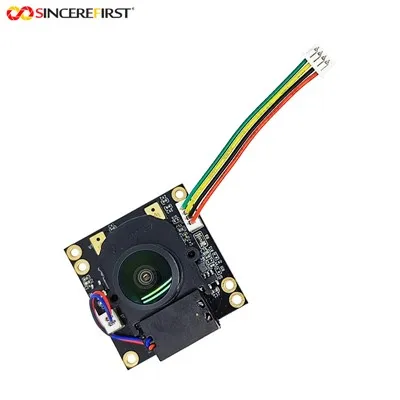
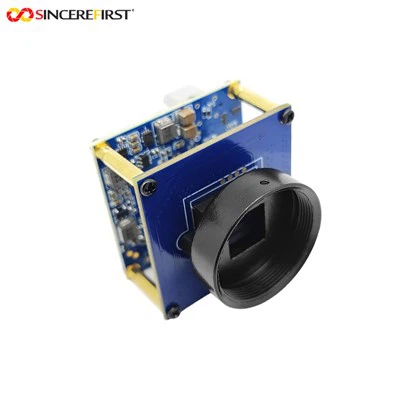
CMOS camera modules consist of several components, including a CMOS image sensor, a lens, and associated circuitry. The CMOS image sensor is responsible for converting light into electrical signals, which are then processed to form an image. The lens focuses light onto the sensor, and the circuitry manages functions such as signal amplification, analog - to - digital conversion, and image processing.
Connectivity Options
The answer to whether a CMOS camera module can be connected to a computer is a resounding yes. There are several ways to establish this connection, each with its own set of advantages and limitations.
USB Connection
One of the most common methods is through a Universal Serial Bus (USB) interface. Many CMOS camera modules are designed with a USB output, which allows for easy plug - and - play connectivity with a computer. USB connections offer high - speed data transfer rates, making them suitable for real - time video streaming and high - resolution image capture.
When using a USB - connected CMOS camera module, the computer can recognize the device as a webcam. This means that it can be used with a wide range of software applications, such as video conferencing tools, image - editing software, and security monitoring programs. For example, in a home office setup, a USB - connected CMOS camera module can be used for high - quality video calls, providing a clear and sharp image.
Ethernet Connection
Another option is an Ethernet connection. Ethernet offers even higher data transfer rates than USB, especially for large - scale applications or when long - distance connectivity is required. CMOS camera modules with Ethernet interfaces are commonly used in industrial and surveillance settings.
In an industrial environment, an Ethernet - connected CMOS camera module can be used for quality control purposes. The high - speed data transfer allows for real - time inspection of products on a production line. The camera can capture high - resolution images, which are then sent to a computer for analysis. The computer can use specialized software to detect defects or anomalies in the products, ensuring that only high - quality items are released.
Wi - Fi Connection
Wi - Fi connectivity provides a wireless option for connecting a CMOS camera module to a computer. This is particularly useful in situations where physical cables are not practical or where mobility is required. For instance, in a smart home security system, a Wi - Fi - enabled CMOS camera module can be placed anywhere in the house and connected to a computer or a mobile device.
The advantage of Wi - Fi is its flexibility. The camera module can be easily moved and repositioned without the need to worry about cable lengths. However, Wi - Fi connections may be subject to interference and signal strength issues, which can affect the quality of the video stream.
Compatibility Considerations
When connecting a CMOS camera module to a computer, compatibility is a crucial factor. The camera module must be compatible with the operating system of the computer. Most modern operating systems, such as Windows, macOS, and Linux, have built - in drivers for common camera devices. However, for more specialized or high - end CMOS camera modules, additional drivers may need to be installed.
It's also important to consider the software requirements. Some applications may require specific camera features or image formats. For example, a professional photography software may require a camera module that supports high - resolution RAW image capture.
Our Product Offerings
As a supplier of CMOS camera modules, we offer a wide range of products to meet different needs. Our Sony IMX989 Large Cmos Inage Sensor Compact Camera Module is a high - end option that features a large - format CMOS image sensor. This camera module is suitable for applications that require high - quality image capture, such as professional photography and industrial inspection.
The 108mp Camera Module is another popular product in our portfolio. With its 108 - megapixel resolution, it can capture incredibly detailed images. This module is ideal for applications where high - resolution imaging is essential, such as aerial photography and large - scale surveillance.
Our Smart Camera Module is designed with advanced image - processing capabilities. It can perform tasks such as object detection and recognition, making it suitable for smart home and security applications.


Conclusion
In conclusion, a CMOS camera module can indeed be connected to a computer through various means, including USB, Ethernet, and Wi - Fi. The choice of connection method depends on the specific requirements of the application, such as data transfer speed, mobility, and distance. Compatibility with the computer's operating system and software is also an important consideration.
If you are in the market for a high - quality CMOS camera module, we invite you to explore our product offerings. Whether you need a camera module for a professional project or a consumer application, we have the right solution for you. Contact us to start a procurement discussion and find the perfect CMOS camera module for your needs.
References
- "CMOS Image Sensors: Technology and Applications" by Tsutomu Watanabe
- "Digital Image Processing" by Rafael C. Gonzalez and Richard E. Woods
- Industry reports on camera module technology and market trends