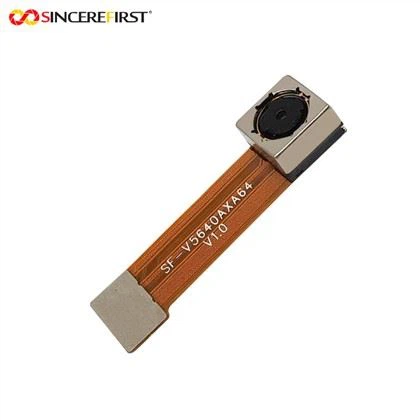
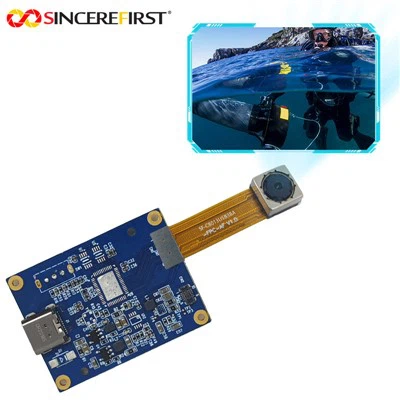
Hey there, drone enthusiasts and photography buffs! Today, I'm stoked to chat about whether a CMOS camera module can be used for drone photography. As a supplier of top - notch CMOS camera modules, I've seen firsthand the amazing potential these little devices hold for capturing stunning aerial shots.
Let's start with the basics. CMOS, or Complementary Metal - Oxide - Semiconductor, camera modules have become incredibly popular in recent years, and for good reason. They're known for their low power consumption, high integration, and relatively low cost compared to other types of camera sensors, like CCDs. And these features make them a great candidate for drone applications, where weight, power efficiency, and cost are all major considerations.
One of the biggest advantages of using a CMOS camera module for drone photography is its size and weight. Drones need to be as lightweight as possible to maximize flight time and maneuverability. CMOS camera modules are typically much smaller and lighter than traditional camera setups, which means they won't add too much extra bulk to your drone. This allows you to keep your drone's weight down and still get high - quality images and videos.
Another key benefit is the power consumption. Drones run on batteries, and every bit of power saved is precious. CMOS camera modules consume less power than many other types of sensors. This not only extends the flight time of your drone but also reduces heat generation, which can be a big issue in small, enclosed spaces like a drone's camera housing.
Now, let's talk about image quality. In the past, some people were skeptical about using CMOS camera modules for high - end photography because they thought the image quality wouldn't be as good as that of CCD sensors. But technology has come a long way, and modern CMOS sensors can produce amazing results. They offer high resolution, good color accuracy, and excellent low - light performance.
For example, our Low Light 8mp Sony IMX585 Sensor Starvis HDR Camera Module is a beast when it comes to low - light photography. The Sony IMX585 sensor is designed with Starvis technology, which means it can capture clear, detailed images even in challenging lighting conditions. This is super important for drone photography, as you might be flying at dawn, dusk, or in overcast weather.
The 8MP OmniVision OV8856 CMOS Sensor Mini FPC Camera Module is another great option. With an 8MP resolution, it can take sharp and detailed photos. The mini FPC design makes it easy to integrate into your drone's camera system, and the OmniVision sensor is known for its reliability and performance.
If you're looking for more advanced features, our Smart Camera Module might be just what you need. This module comes with built - in intelligence, such as object detection and tracking. It can automatically follow a subject, which is really useful for filming moving targets like vehicles or wildlife from the air.


But of course, like any technology, there are also some challenges when using CMOS camera modules for drone photography. One of the main issues is rolling shutter distortion. CMOS sensors use a rolling shutter mechanism, which means that they read the image line by line. When the drone is moving quickly or when there are fast - moving objects in the frame, this can cause distortions like skew or wobbly lines in the image. However, many manufacturers, including us, are working on technologies to minimize this problem.
Another challenge is dealing with vibrations. Drones can be quite shaky during flight, and vibrations can affect the quality of the images. To overcome this, you can use image stabilization techniques, either in - camera or through external gimbals. Many of our camera modules are designed to work well with gimbals, which help to keep the camera steady and produce smooth, professional - looking footage.
In terms of compatibility, you need to make sure that the CMOS camera module you choose is compatible with your drone's system. This includes things like the power supply, data transfer interface, and mountability. Most of our modules are designed to be as versatile as possible, with standard interfaces that can be easily connected to a variety of drones.
So, can a CMOS camera module be used for drone photography? Absolutely! The combination of its size, weight, power consumption, and image quality make it a great choice for capturing amazing aerial views. Whether you're a professional photographer looking for a new perspective or an amateur hobbyist wanting to take your drone flights to the next level, a CMOS camera module can help you achieve your goals.
If you're interested in learning more about our CMOS camera modules or want to discuss potential custom solutions for your drone photography needs, I'd love to hear from you. Just get in touch, and we can start a conversation about how we can work together to bring your aerial photography visions to life.
References:
- Various industry reports on camera sensor technology and drone applications.
- Technical specifications of Sony IMX585 and OmniVision OV8856 sensors.