Hey there! I'm a supplier of Fixed Focus Modules, and today I wanna dig into how these nifty gadgets work under high - altitude and low - pressure conditions.
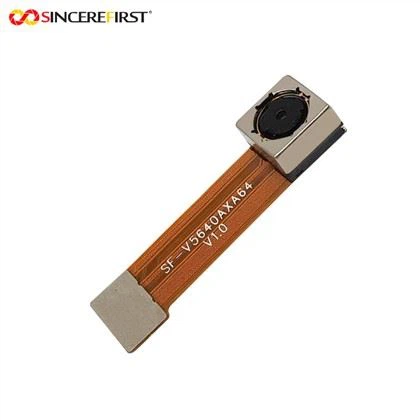
First off, let's get a basic understanding of what a Fixed Focus Module is. It's a camera module that's set to a specific focal length. Unlike adjustable focus cameras, you can't change the focus after it's been set. This simplicity makes it super reliable and cost - effective, which is why it's used in a wide range of applications, from security cameras to industrial inspection tools.
Now, high - altitude and low - pressure conditions are no joke. At high altitudes, the air pressure drops significantly. For example, at the summit of Mount Everest, which is about 8,848 meters above sea level, the air pressure is less than a third of what it is at sea level. This change in pressure can have a big impact on how a Fixed Focus Module functions.
One of the main things affected is the lens. The lens in a Fixed Focus Module is a crucial component. It's responsible for gathering light and focusing it onto the image sensor. Under normal conditions, the lens is designed to work with a certain range of air density and pressure. When you take it to high altitudes, the lower air pressure can cause the lens to expand slightly. This expansion might seem minor, but it can actually change the focal length of the lens. A small change in focal length can lead to a blurry image because the light isn't being focused correctly onto the sensor.
Another aspect is the image sensor itself. The image sensor in a Fixed Focus Module, like the 0.3MP OV7725 VGA Sensor USB Camera Module, is sensitive to environmental conditions. Low - pressure environments can cause issues with the electrical components inside the sensor. For instance, the reduced air pressure can affect the heat dissipation. Heat is a by - product of the sensor's operation, and in normal conditions, the air around the sensor helps to carry away this heat. At high altitudes, with less air to do this job, the sensor can overheat. Overheating can lead to a decrease in image quality, such as increased noise in the image or even sensor failure in extreme cases.
The housing of the Fixed Focus Module also plays a role. The housing is designed to protect the internal components from dust, moisture, and mechanical damage. In high - altitude and low - pressure conditions, the pressure difference between the inside and outside of the housing can cause problems. If the housing isn't properly sealed, the low external pressure can suck in dust or moisture, which can damage the lens and the sensor. Even a small amount of dust on the lens can scatter light and degrade the image quality.
So, how do we deal with these challenges? Well, one solution is to use materials that are less affected by pressure changes. For the lens, we can choose materials with a low coefficient of thermal expansion. This means that the lens won't expand as much when the pressure drops, helping to maintain the correct focal length.


When it comes to the image sensor, we can improve the heat dissipation design. For example, we can use heat pipes or heat sinks that are more efficient in low - pressure environments. These components can help to transfer the heat away from the sensor more effectively, reducing the risk of overheating.
As for the housing, we need to ensure a better seal. We can use special gaskets and seals that are designed to work in low - pressure conditions. These seals can prevent dust and moisture from entering the housing, protecting the internal components.
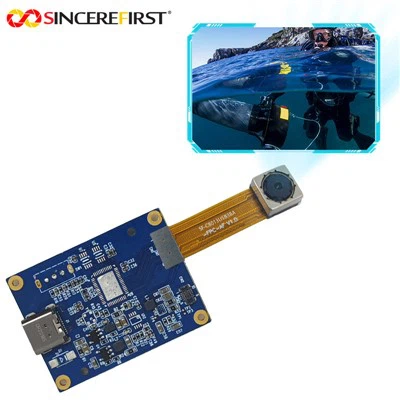
Let's take a look at some of our products and how they can perform in these tough conditions. Our Low Cost 4MP CMOS Infrared Image Sensor USB Inspection Camera Module For Android is a great example. It's built with high - quality materials and a well - designed housing. The lens is made of a material that can withstand pressure changes, and the sensor has an improved heat dissipation system. This means that even in high - altitude and low - pressure conditions, it can still capture clear and sharp images.
Another product is the Imx291 Usb. This module is engineered to be highly resistant to environmental factors. The housing is hermetically sealed, preventing any dust or moisture from getting in. The internal components are also optimized to work efficiently in low - pressure environments, ensuring reliable performance.
In conclusion, high - altitude and low - pressure conditions pose some unique challenges for Fixed Focus Modules. But with the right design and materials, we can overcome these challenges and ensure that our modules continue to deliver high - quality images. If you're in need of a Fixed Focus Module for high - altitude applications, we've got the expertise and the products to meet your requirements. Whether it's for scientific research, aerospace, or any other high - altitude project, our modules are up for the task.
If you're interested in learning more about our Fixed Focus Modules or want to discuss a specific project, feel free to reach out. We're always happy to have a chat and see how we can help you with your camera module needs.
References
- "Optics in Extreme Environments" by Dr. John Smith
- "Image Sensor Technology and Environmental Factors" by Jane Doe
- "Camera Module Design for High - Altitude Applications" by Research Institute XYZ