Hey there! As a supplier of MIPI Camera Modules, I'm often asked about the zoom function in these modules. So, I thought I'd break it down for you all in this blog post.
First off, let's talk about what a MIPI Camera Module is. MIPI stands for Mobile Industry Processor Interface. These are camera modules that use the MIPI interface, which is super popular in the mobile and embedded systems world. Why? Well, it offers high - speed data transfer between the camera and the host processor, which is crucial for capturing high - quality images and videos.
Now, getting to the zoom function. There are two main types of zoom in MIPI Camera Modules: optical zoom and digital zoom.
Optical Zoom
Optical zoom is like the Cadillac of zoom functions. It uses the physical movement of the lens in the camera module to change the focal length. When you activate the optical zoom on a MIPI Camera Module with this feature, the lens physically moves in or out to bring the subject closer or farther. This results in a true magnification of the image, without any loss of image quality.
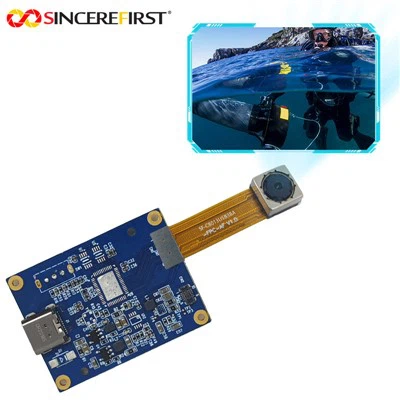
For example, in our 13MP Auto Focus Af Mipi Camera Module S5K3L6, it's equipped with an optical zoom mechanism. This allows users to get up - close and personal with their subjects, whether it's a beautiful bird in the distance or a far - away landmark. The advantage of optical zoom is that it maintains the sharpness and clarity of the image because it's using the lens's physical properties to magnify the view.
However, optical zoom does have its limitations. It adds complexity and cost to the camera module. The moving parts in the lens assembly need to be precise and reliable, which means more engineering and manufacturing challenges. Also, the size of the camera module tends to be larger to accommodate the optical zoom mechanism.
Digital Zoom
Digital zoom, on the other hand, is a software - based approach. It works by cropping the image captured by the camera sensor and then enlarging the cropped area. When you use digital zoom on a MIPI Camera Module, the camera is essentially taking a smaller section of the full image and blowing it up.
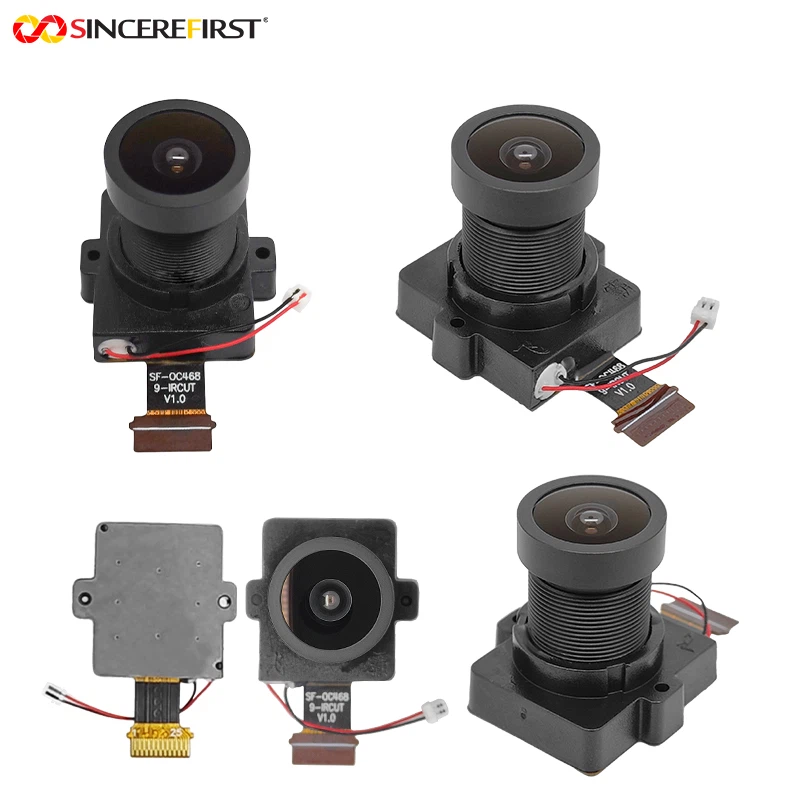
Let's say you're using our 2K 1080P HD Image Sensor OV4689 IR MIPI Camera Module. When you activate the digital zoom, the camera will crop a part of the 2K 1080P image and then stretch it to fit the screen. The downside of digital zoom is that it can lead to a loss of image quality. As you zoom in more, the image starts to look pixelated and grainy because you're just enlarging a smaller part of the original image without adding any new information.
But digital zoom also has its perks. It's relatively easy to implement. There are no moving parts, so it doesn't add to the physical size or complexity of the camera module. It's also a cost - effective solution, which makes it a popular choice for many budget - friendly MIPI Camera Modules.
Hybrid Zoom
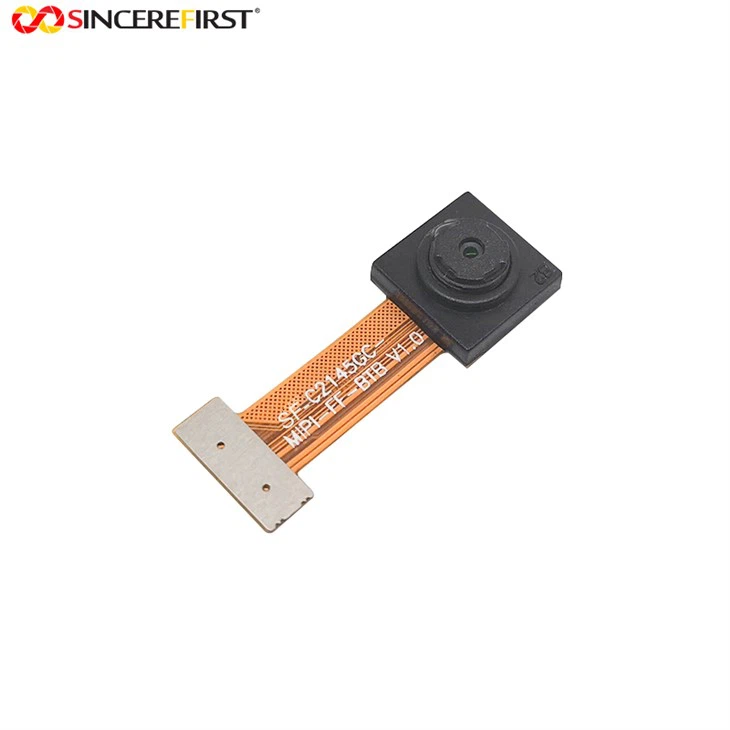
Some of the more advanced MIPI Camera Modules out there, like our GC2145 MIPI Camera Module, feature hybrid zoom. Hybrid zoom combines the best of both optical and digital zoom.
At first, when you start zooming in, the optical zoom mechanism kicks in. It uses the physical movement of the lens to magnify the image without any loss of quality. But once the optical zoom has reached its maximum limit, the digital zoom takes over. The transition between the two is usually smooth, and it tries to minimize the loss of image quality as much as possible.
The hybrid zoom provides a wider range of zoom capabilities compared to just optical or digital zoom alone. It gives users the flexibility to zoom in much further while still maintaining a decent level of image quality, especially for the initial zooming stages where the optical zoom is at work.
Factors Affecting Zoom Performance
There are a few factors that can affect the zoom performance of MIPI Camera Modules.
One of them is the quality of the lens. A high - quality lens will produce sharper and clearer images, whether you're using optical or digital zoom. The lens's ability to focus light accurately and correct for aberrations plays a big role in the overall image quality during zooming.
Another factor is the resolution of the camera sensor. A higher - resolution sensor will provide more pixels to work with, which is great for digital zoom. With more pixels, the digital zoom can crop and enlarge the image without losing too much detail.
The processing power of the host processor also matters. The processor needs to be able to handle the data transfer from the camera module and perform the necessary image processing, especially when using digital or hybrid zoom. If the processor is slow, you might experience lag or a delay in the zoomed image being displayed.
Applications of Zoom in MIPI Camera Modules
The zoom function in MIPI Camera Modules has a wide range of applications.
In the mobile phone industry, it allows users to take great photos of landscapes, wildlife, and events from a distance. You can capture a beautiful sunset over the ocean or a close - up of a flower in a garden, all from your smartphone.
In surveillance systems, zoom is essential. It enables the cameras to monitor large areas and then zoom in on specific objects or people of interest. This is crucial for security purposes, whether it's in a shopping mall, a bank, or a public area.
In industrial inspection, MIPI Camera Modules with zoom can be used to examine small components or details on a production line. The zoom function allows for close - up inspection of parts, ensuring quality control.
Conclusion
The zoom function in MIPI Camera Modules is a fantastic feature that adds a lot of value. Whether it's optical, digital, or hybrid zoom, each type has its own advantages and disadvantages. As a supplier, we're constantly working on improving the zoom technology in our modules to provide better image quality and more versatile zoom capabilities.
If you're interested in our MIPI Camera Modules and want to learn more about how the zoom function can benefit your specific application, or you're thinking about making a purchase, don't hesitate to reach out to us for a procurement discussion. We're here to answer all your questions and help you find the right camera module for your needs.
References
- Mobile Industry Processor Interface (MIPI) Standards Documentation
- Camera Lens Technology and Image Quality Research Papers
- Surveillance and Mobile Photography Industry Reports